

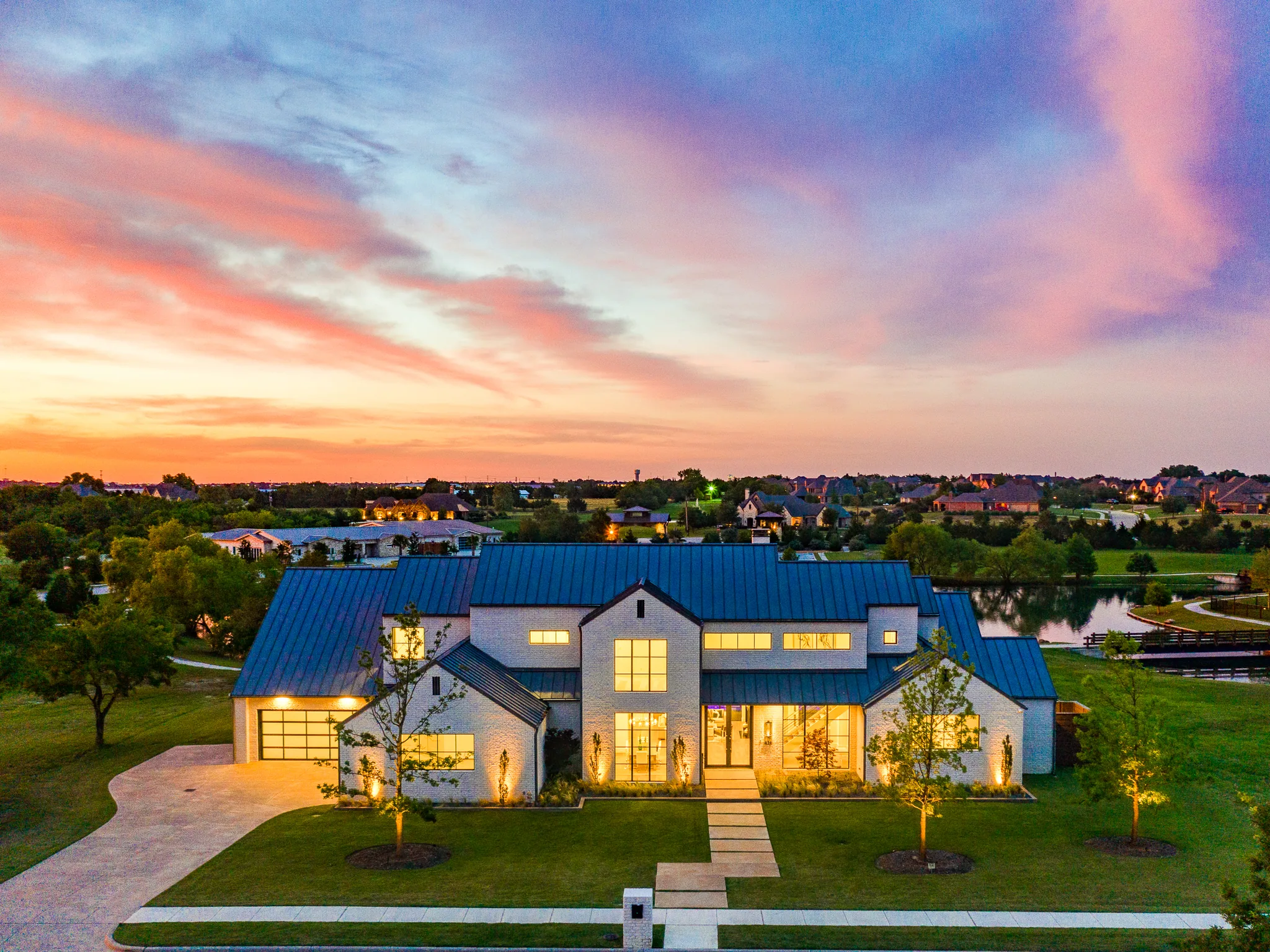
Fate’s custom home builder.
Newer acreage tracts along the I-30 corridor where the pad and drainage get decided first.
Talk to Aaronor call (972) 528-5668
Building a house in Fate
Every Fate build starts the same way for me: on the dirt, before a single line is drawn.
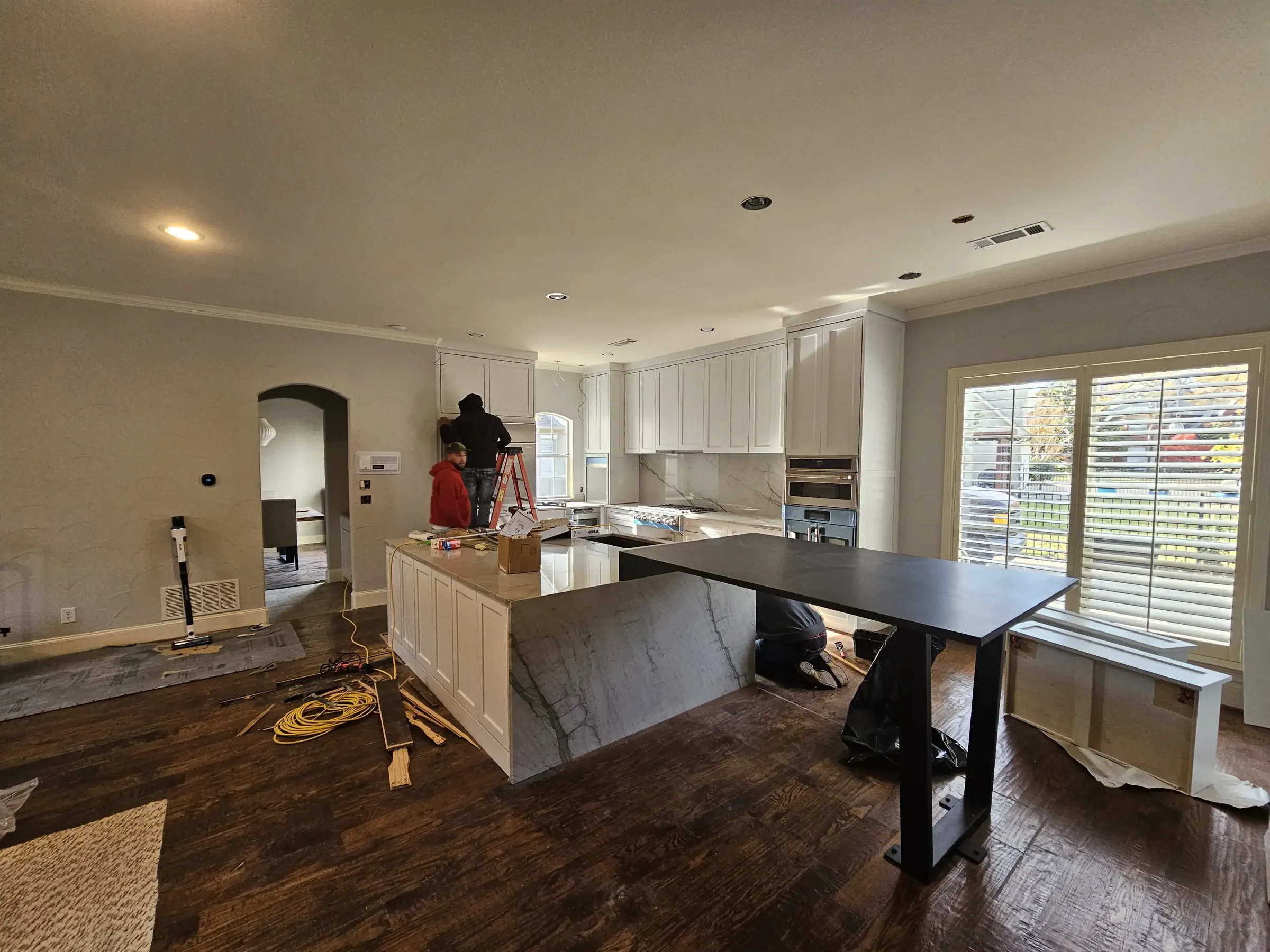
The lot dictates the foundation, the foundation dictates the framing, and the framing dictates what’s still possible by the time you’re picking tile.
Change orders aren’t inherently bad. They are how a house adapts to what you learn while standing in it. What is bad is a change order you find out about after the work is done, or one priced as a favor and settled at the end. Mine are written before the work happens, with the cost and the schedule impact stated, and you sign them or you don’t. That’s it. It keeps the conversation about the house rather than about the invoice.

Most of the cost that surprises people is site cost. Dirt, drainage, drives and utilities. I’d rather put real numbers on those early than discover them later.
Most of what people think of as builder quality is really trade quality. The framer who keeps walls plumb, the plumber who thinks about access before he thinks about speed, the finish carpenter who cares what a return looks like from four feet away. I don’t rebid those relationships every job to shave a percentage point. The trades on my sites have been with me for years, they know the standard I’m going to hold them to, and they know I will pay them fairly to meet it. That isn’t sentiment. It’s the only reliable way I know to make good work repeatable.
I will tell you about the mistake before you find it. That's the whole arrangement.
It costs a little more attention up front and saves a great deal later.
I’d rather have an uncomfortable conversation in week six than an angry one at the walk-through.

A custom home is a long relationship with whoever builds it. You’ll talk to me more in eighteen months than you talk to most people in your life, and a good portion of those conversations will be about things that didn’t go to plan. That’s normal. Weather moves, materials arrive damaged, an inspector reads something differently than expected. What matters is whether the person telling you has a plan attached to the news, and whether the same person is still answering the phone a year after you move in. One family has brought me back for a fourth project. That only happens if the earlier ones went right.
Energy performance is mostly decided in the walls, not the equipment. Insulation that’s actually installed to its rated value rather than stuffed around wiring, an air barrier that’s continuous instead of theoretical, windows specified for the elevation they sit on, and ductwork inside conditioned space where it belongs. I run thermal scans on my jobs because a camera finds a gap that a walk-through never will. A house built tight and ventilated correctly is quieter, more comfortable in August, and cheaper to run for as long as it stands.
Permitting here is its own small project. Plan review, the engineered foundation letter, the drainage plan, and on an acreage lot the septic permit, which has its own soil testing and its own calendar. I start those early because none of them move faster for being asked twice, and a set of plans sitting in review is a set of plans not being built.
Work from around here


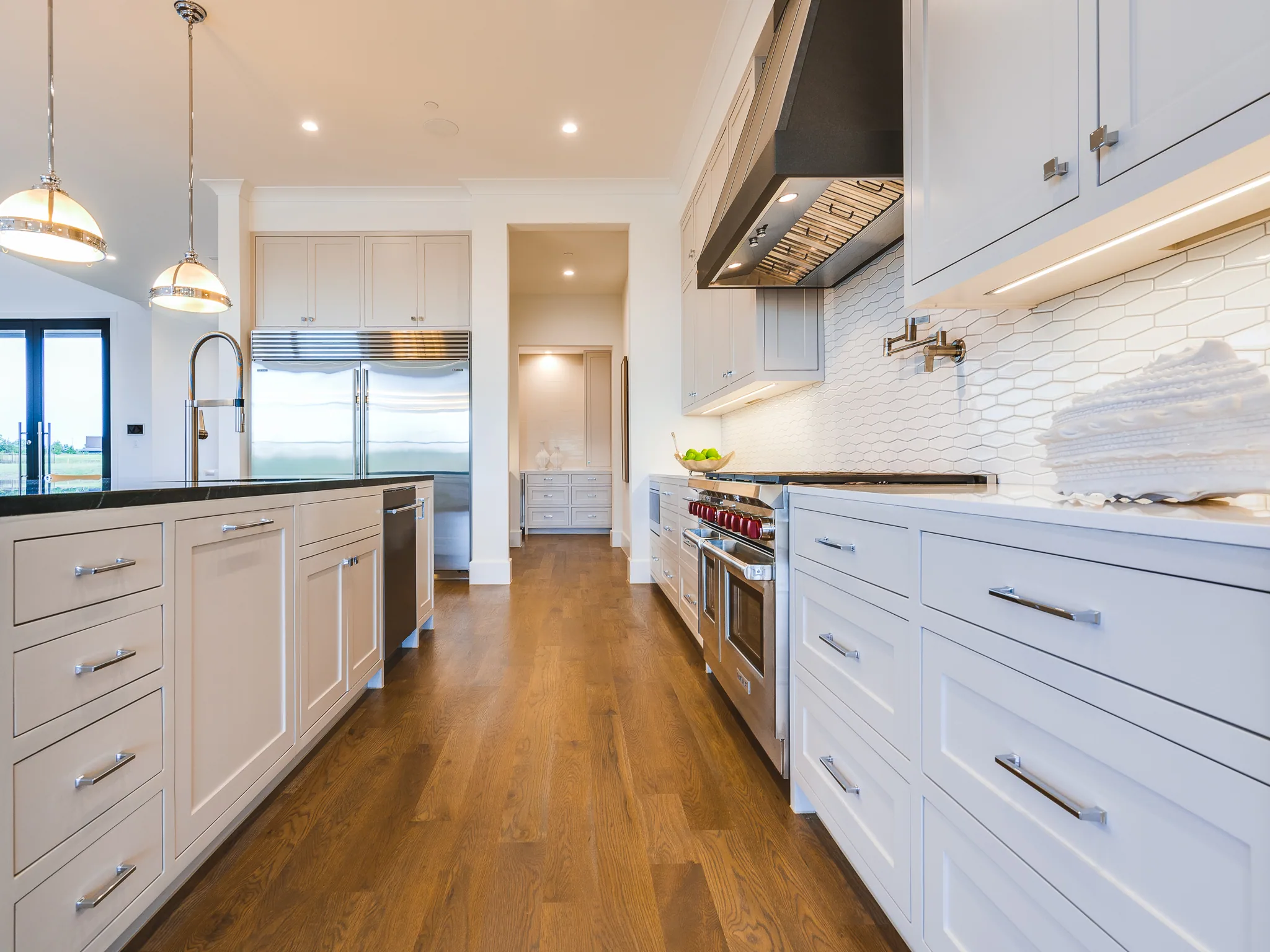

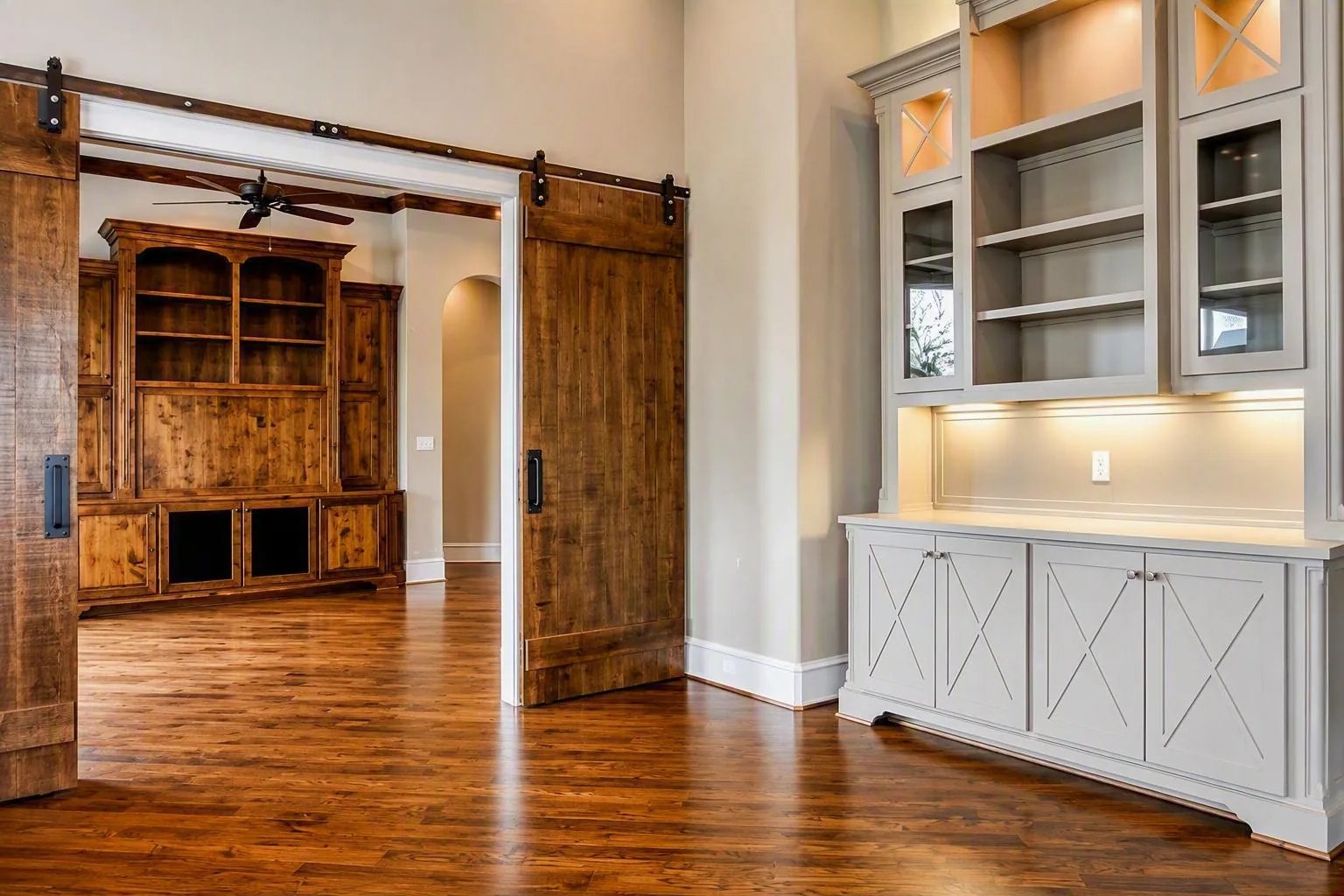
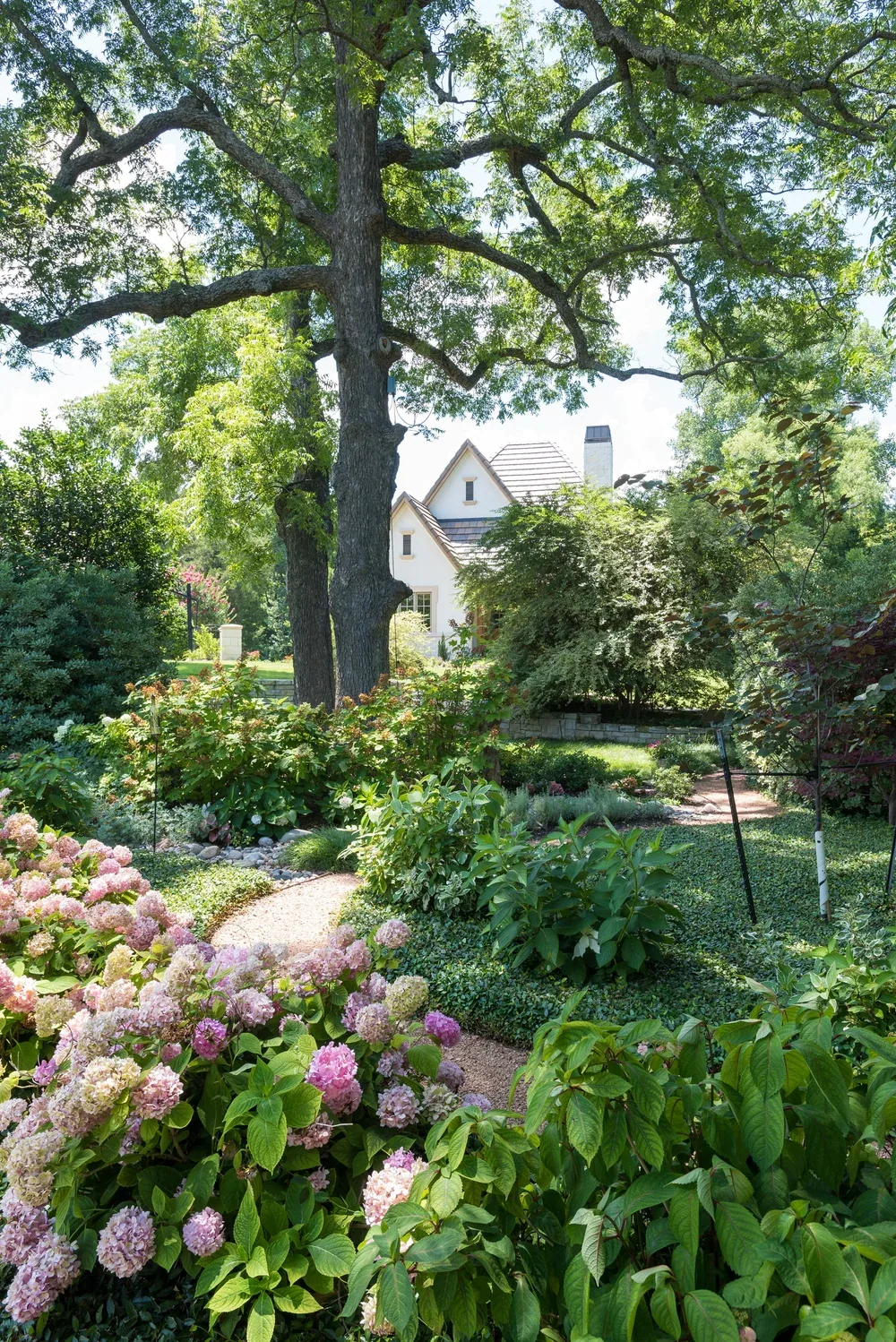
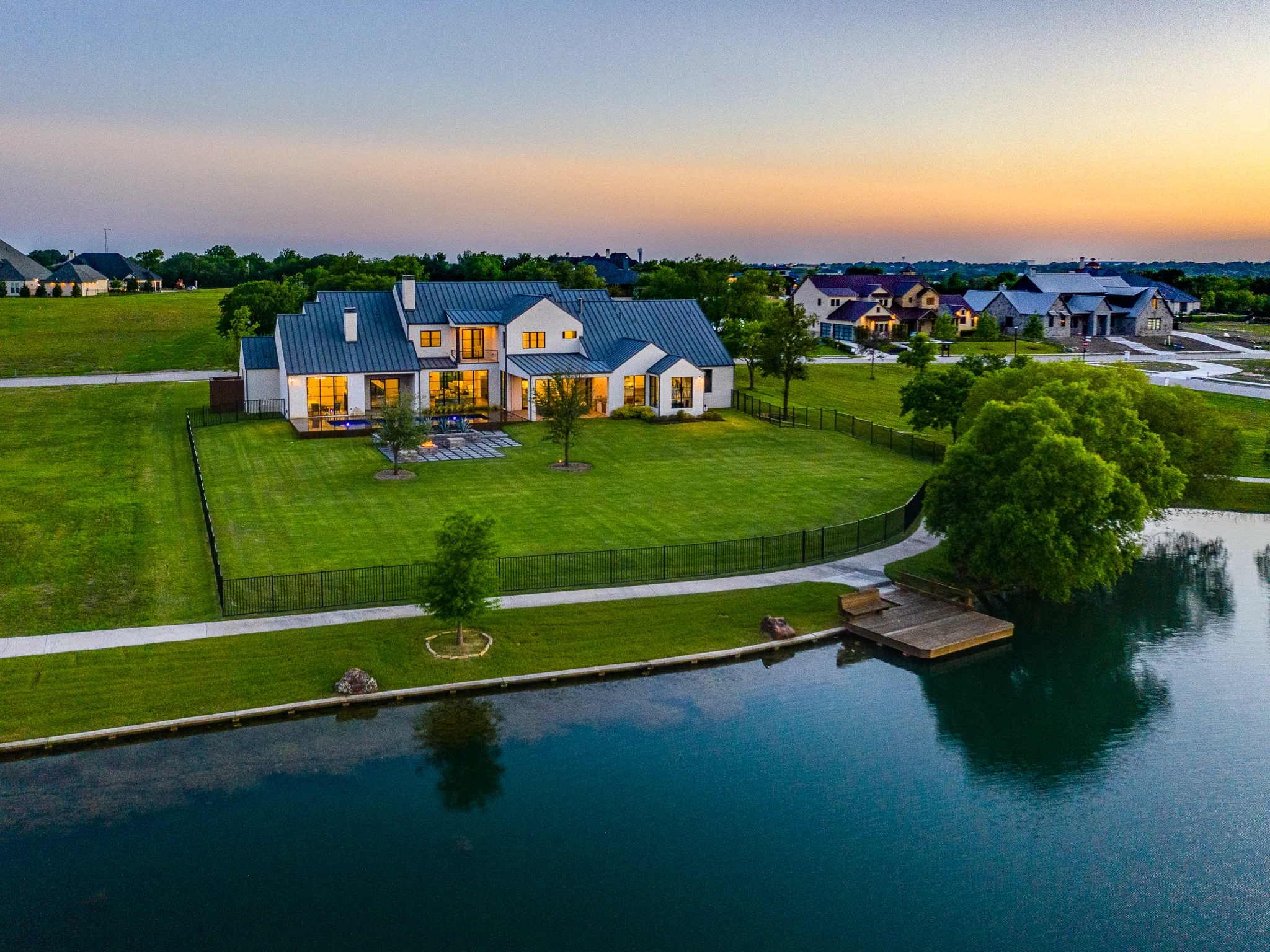
Each of these homes has its own gallery in the portfolio.
Fate and the rest of Rockwall County

1The lot
Before anything is drawn I want to stand on the lot with you and talk about what it's actually going to cost to build here, starting with the dirt.
2The plan
Drawings get made against the survey and the setbacks, so the house that comes back is one that can actually be permitted and built on your land.

3The numbers
You get a breakdown you can actually read, with the unglamorous items priced rather than buried in an allowance nobody explains.

4The dirt
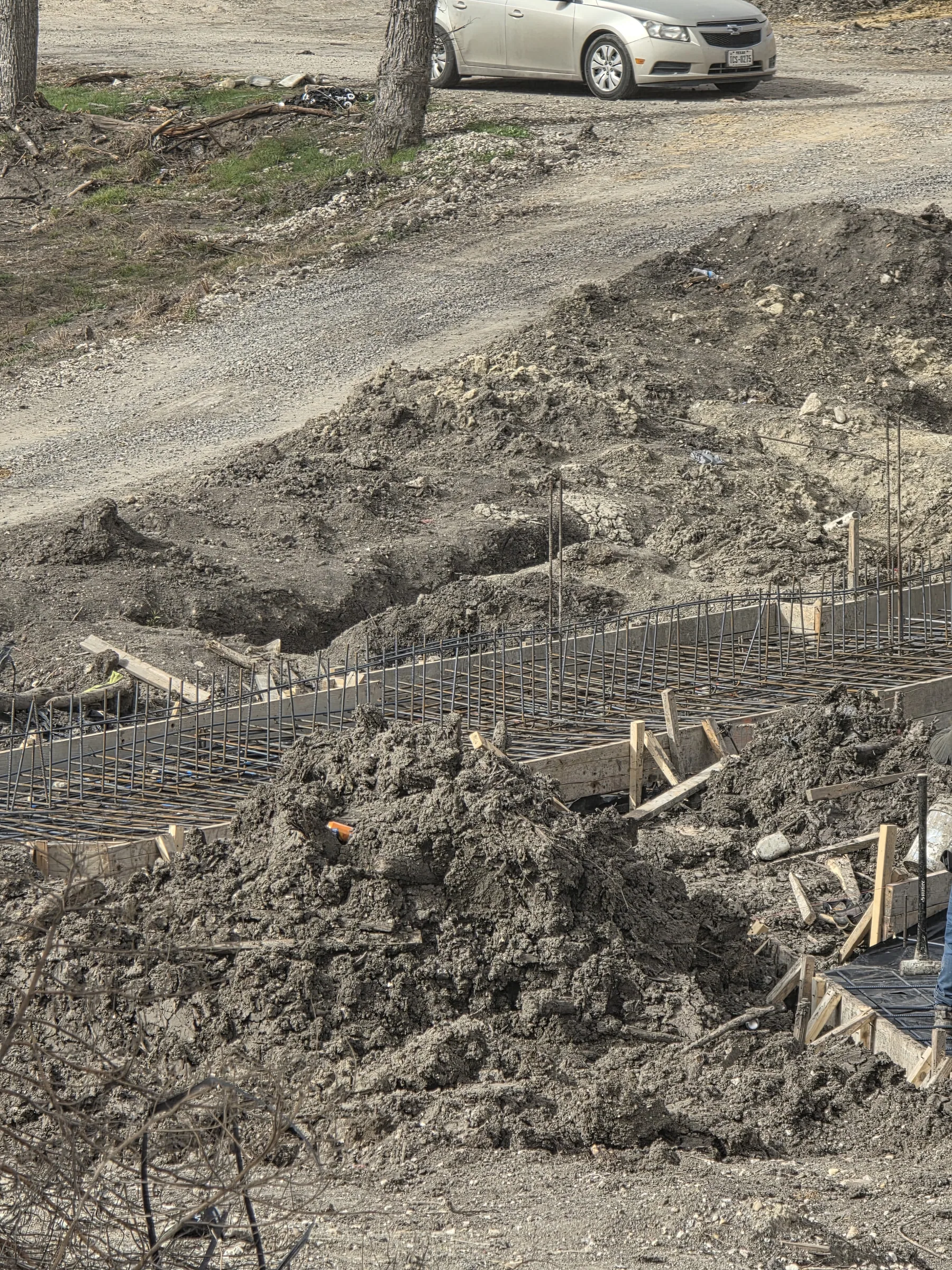
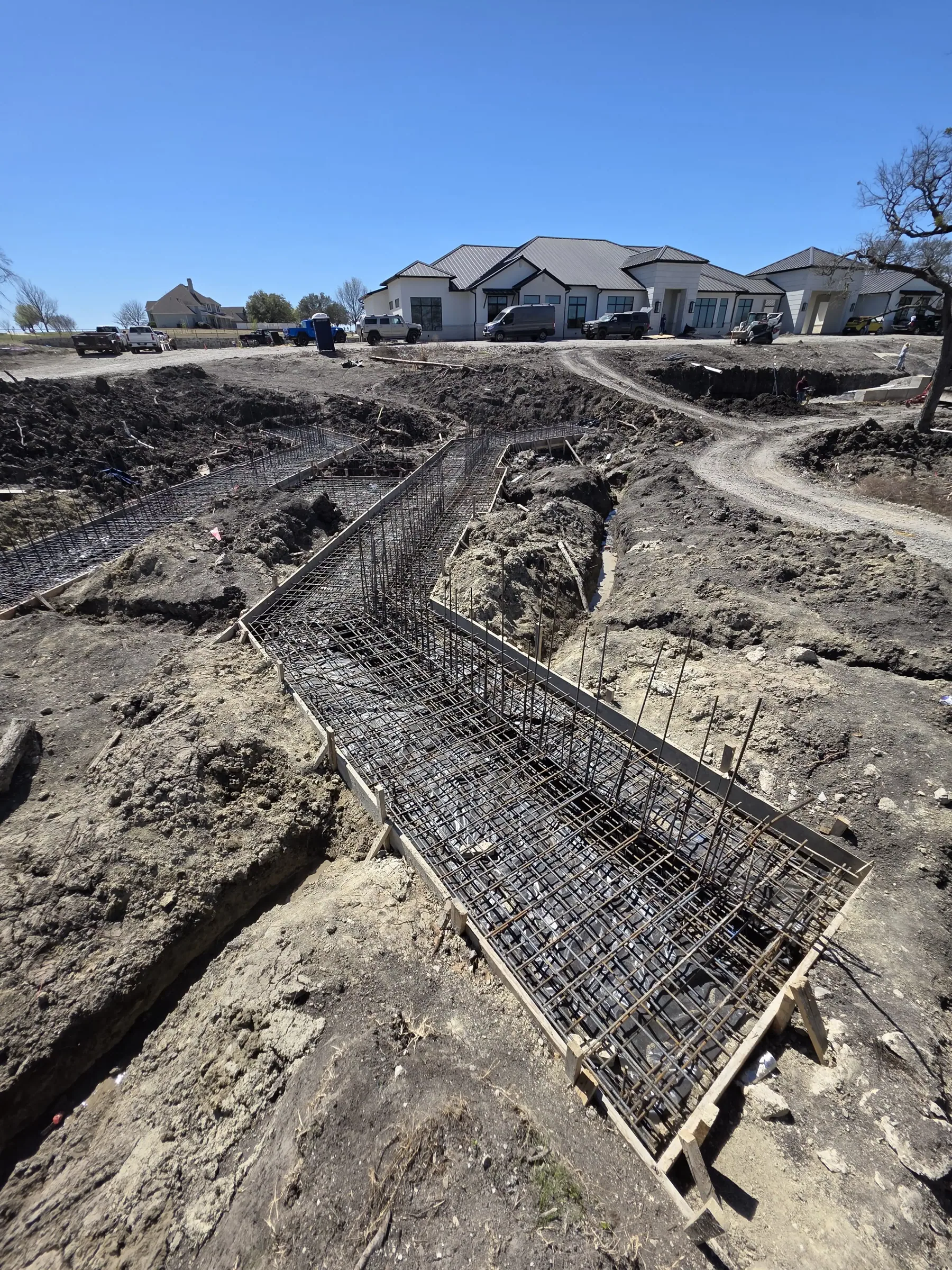
Earthwork and foundation. This is the phase where doing it properly costs a little more and skipping it costs a great deal in year eight.
5The frame
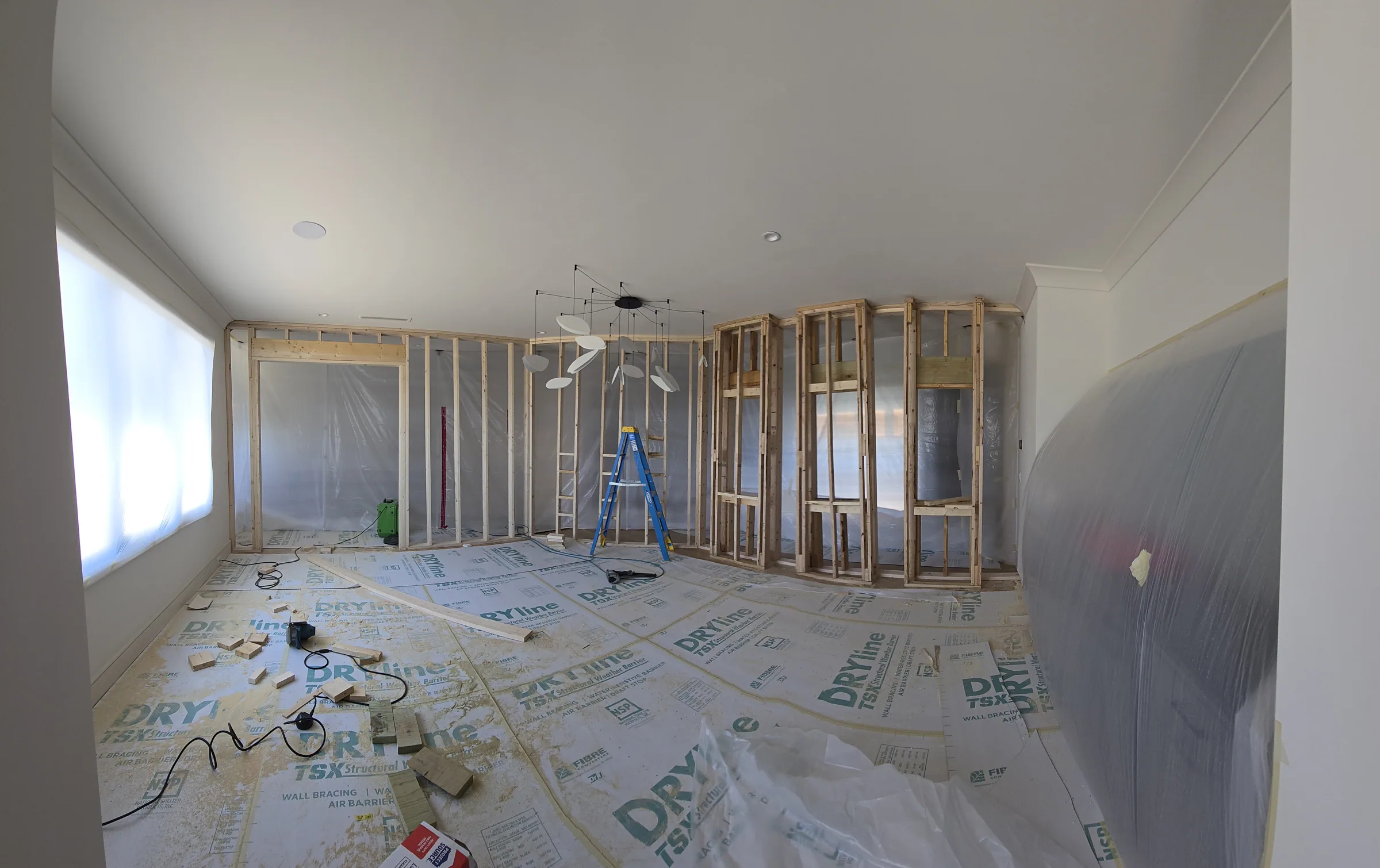
Structure goes up and the house becomes real. This is when I want you on site often, because changes are still possible and still cheap.
6The finish
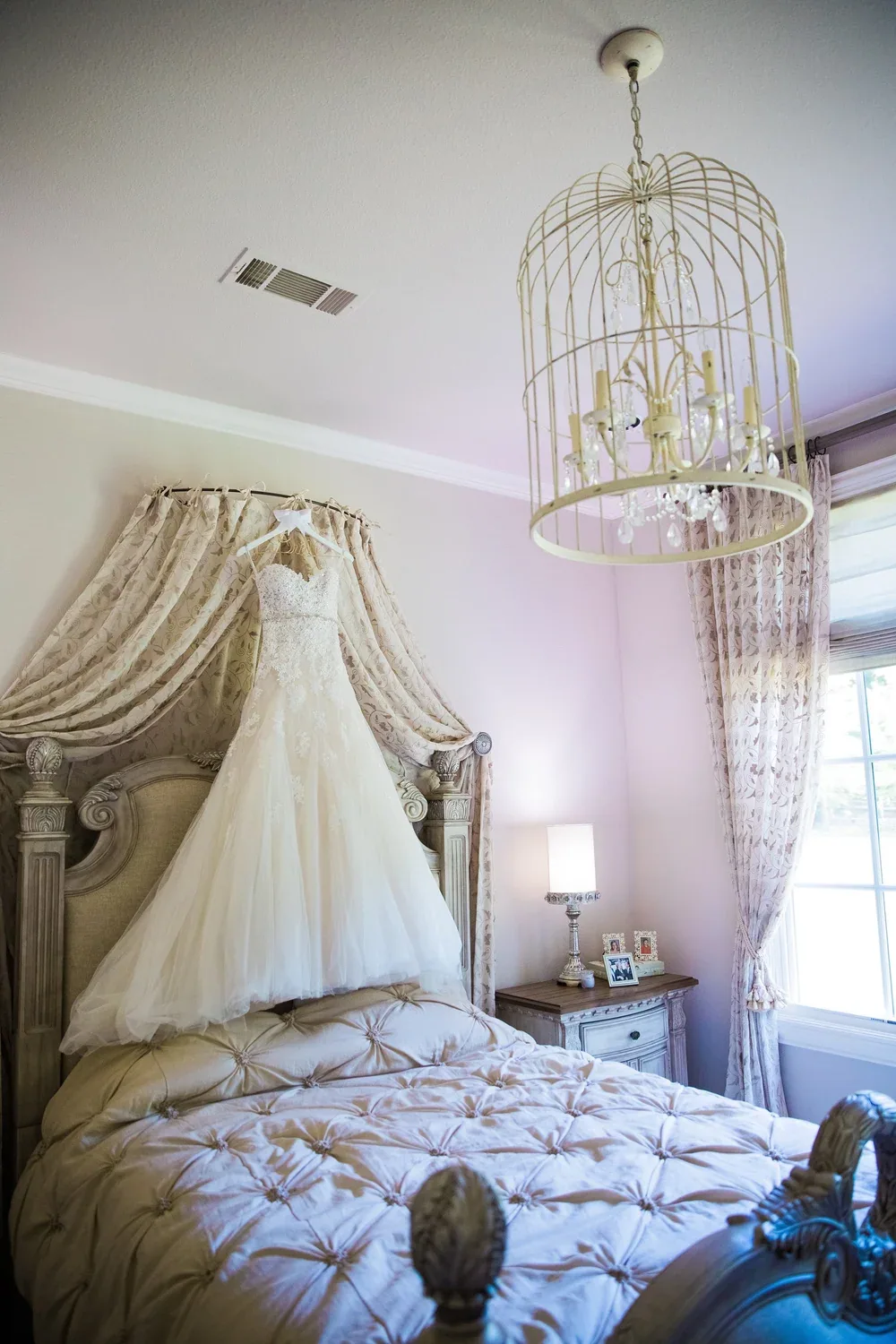
Millwork, surfaces and paint. The phase that takes the longest per square foot and the one people remember when they walk in.
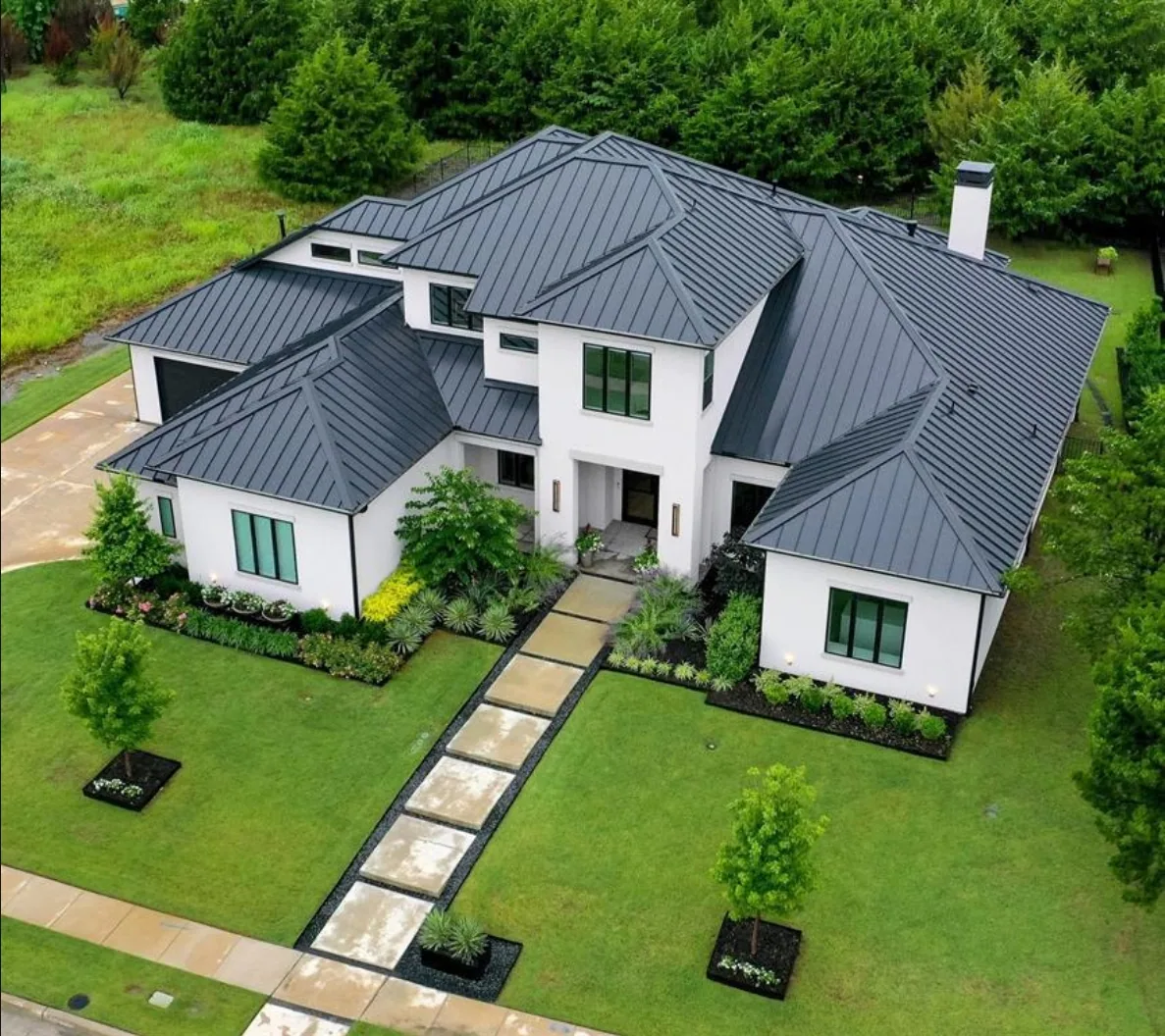
7The keys
We walk it together, write down what isn't right, and I fix it. Then I'm still reachable through the first year while the house settles.
Drop in any time. During framing I'd rather you came twice, because a change then is a conversation instead of a demolition bill.
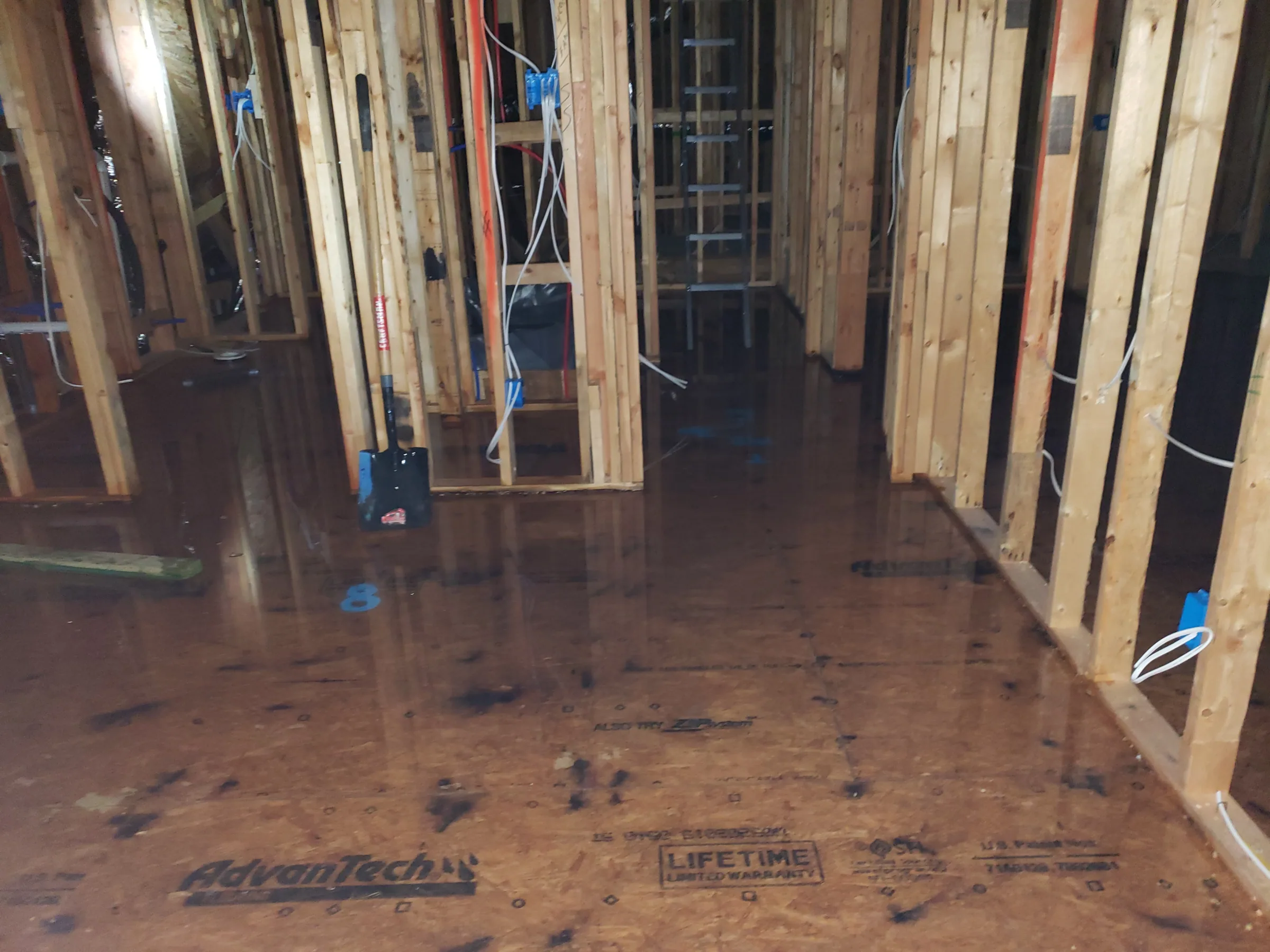
What the site tells you
Dirt, drainage and structure from real jobs. The unglamorous phase that decides the house.



Questions I get asked
Do you build in Fate?
Yes. Fate sits in Rockwall County, and it's inside the area I can get to often enough to actually be on the job.
What is different about building in Fate?
Newer acreage tracts along the I-30 corridor where the pad and drainage get decided first. That shapes the foundation and the footprint before anything else.
Do I need a lot first?
You don't. Bring me the ones you're considering and I will tell you what each would cost you in dirt before you commit.
How long will it take?
It depends on the house and the site. Tell me about yours and I will give you a real range rather than a brochure number.
Do you handle the permits?
That’s mine to handle, permits and review both.
What happens if something goes wrong?
I tell you before you find it, along with what I intend to do about it and what it changes.

Thinking about a build in Fate?
The Fate builds that go well start with a long first conversation. I'm glad to have it.