

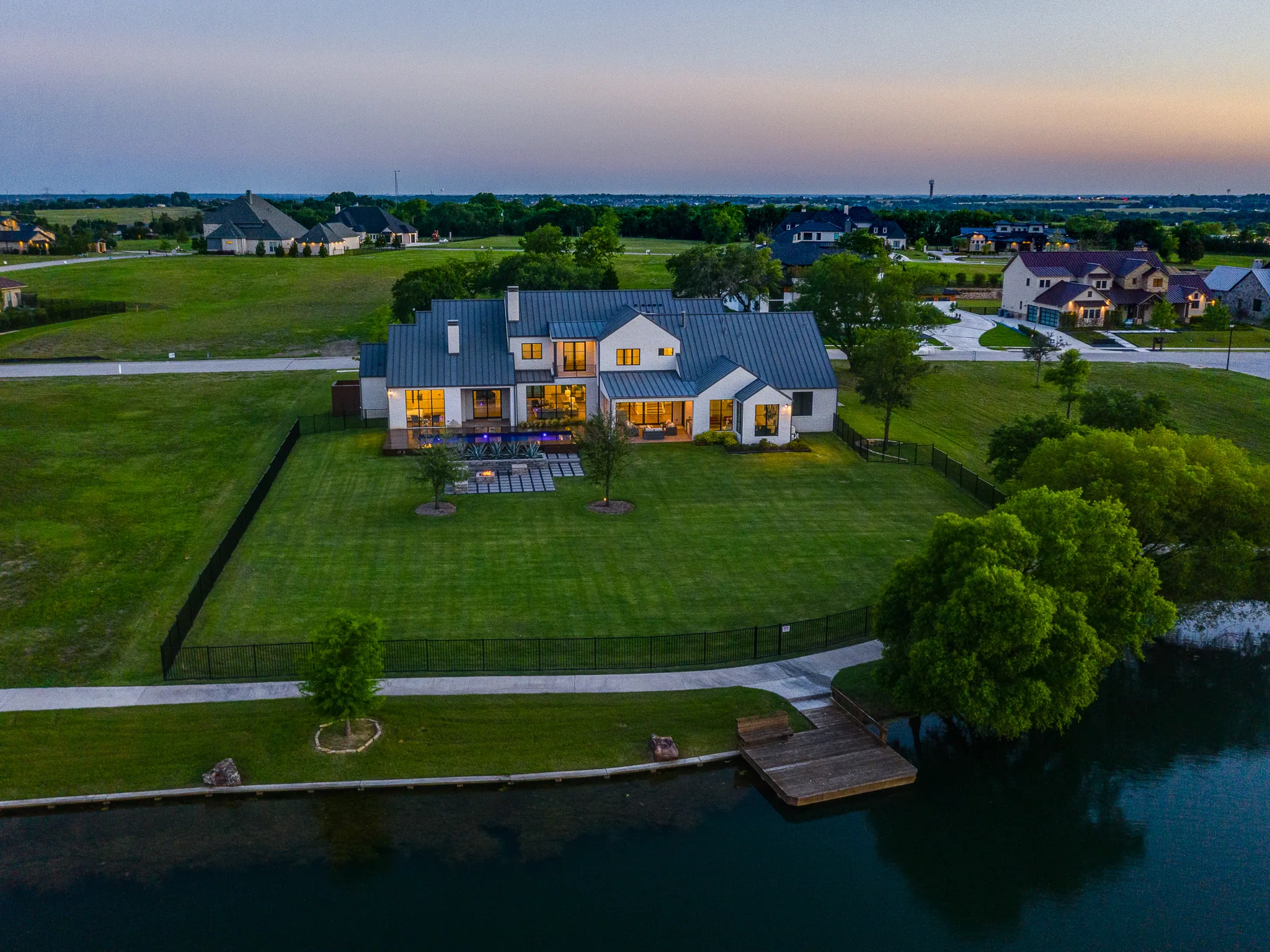
Cedar Hill’s custom home builder.
Lots where soil, drainage and orientation decide the foundation before anything else.
Talk to Aaronor call (972) 528-5668
Building a house in Cedar Hill
I’d rather walk a Cedar Hill lot with you than send you a brochure.

I bring the trades out early. The framer and the concrete crew see the site before the plans are final, because they catch things a drawing doesn’t show.
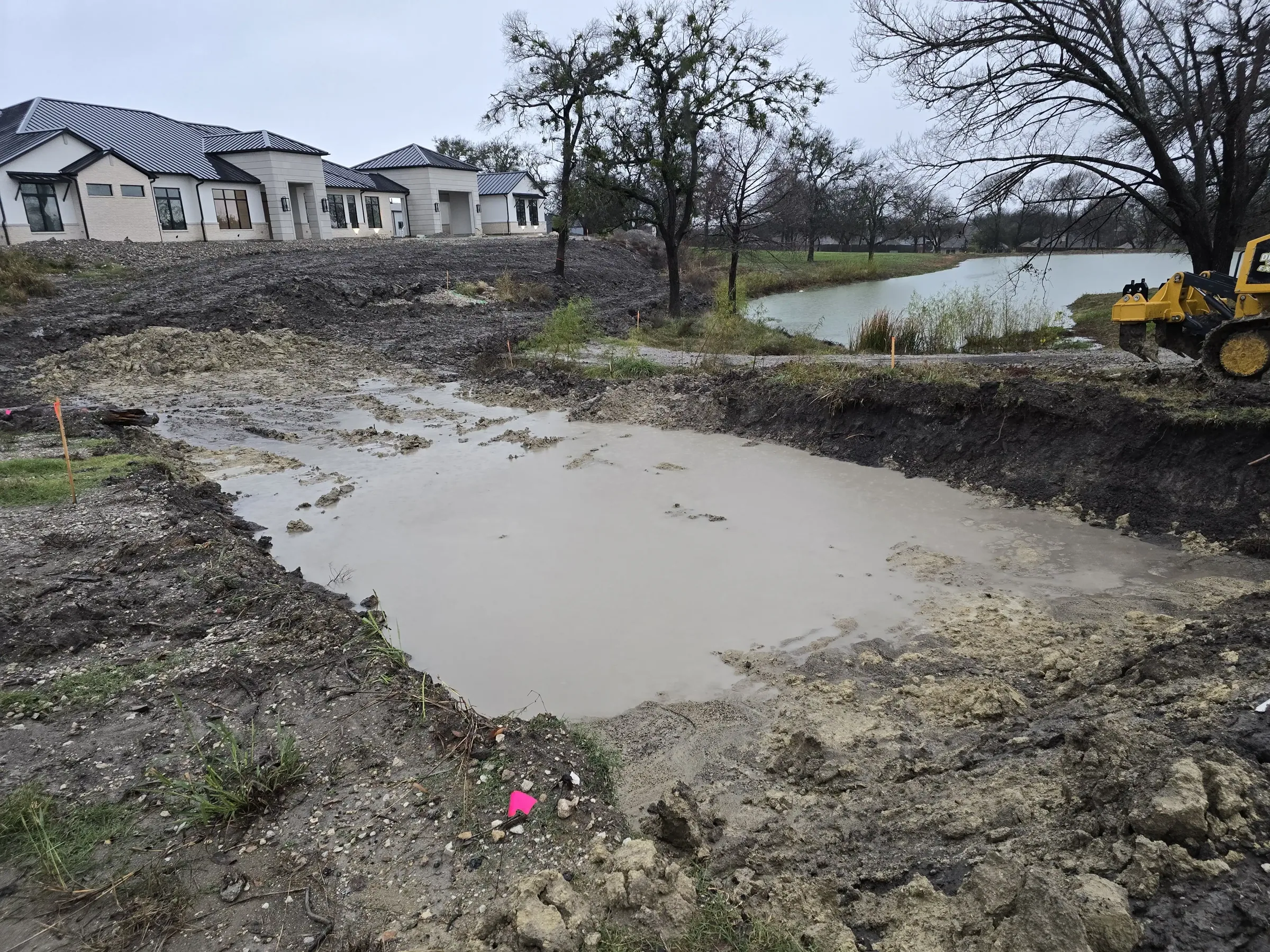
Weather is the variable nobody controls. A wet spring can cost weeks on dirt work before the pad is even ready, and there’s no version of the job where you pour a foundation into saturated ground and get away with it. I build float into the schedule for exactly this, and when it runs out I tell you rather than quietly compressing the finish phase to protect a date. A house rushed through trim and paint shows it for the next thirty years.
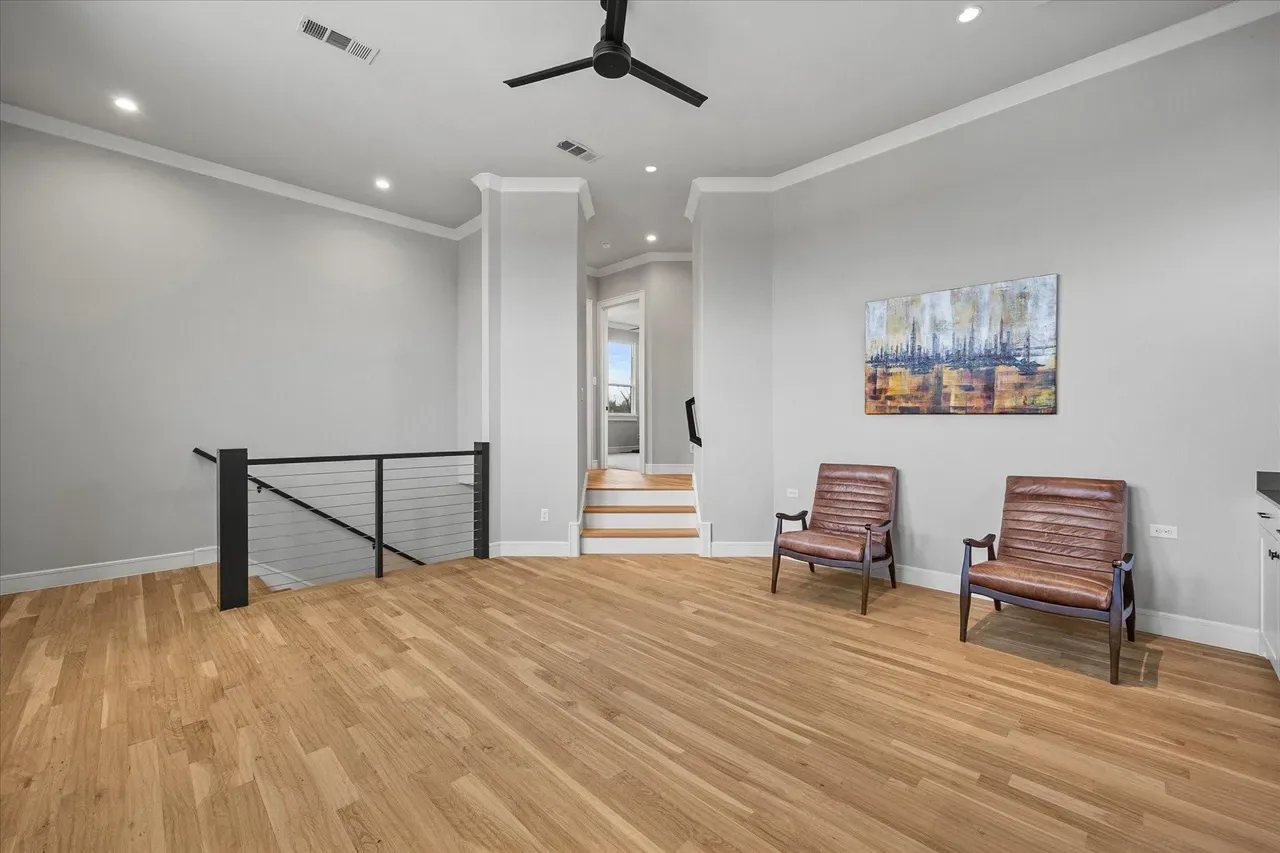
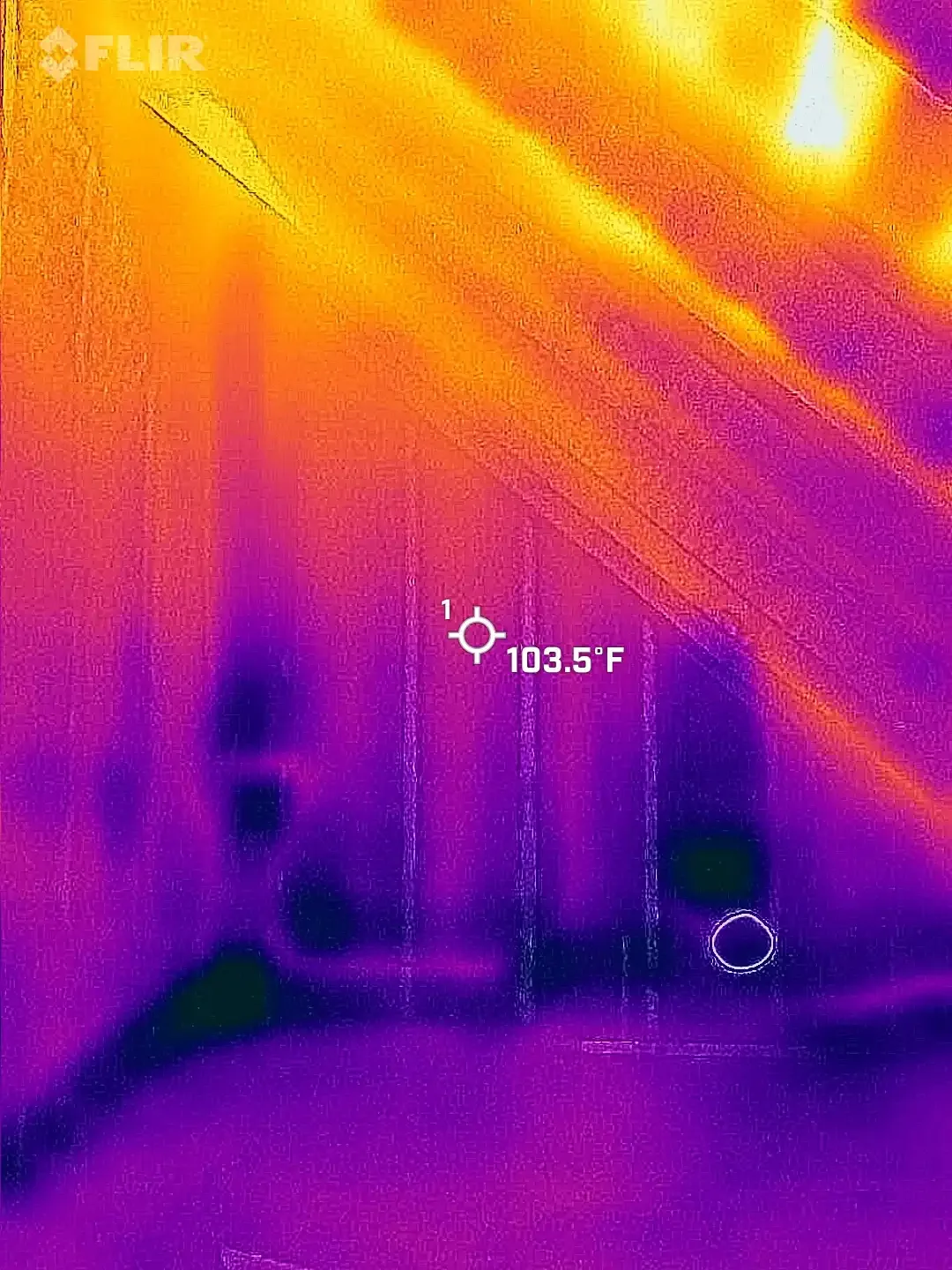
Every house here deals with heat, wind and clay. Handling those well isn’t a feature. It’s the baseline, and it’s mostly invisible when it’s done right.
Site work is the single most underestimated line in a custom build. Clearing, cut and fill, the driveway, drainage structures, the septic field if you’re on one, and the utility runs from wherever the service actually is to wherever your house will be. On an easy lot it’s modest. On a hard one it can rival the cost of framing the entire house. I put real numbers on it before you’re committed, because discovering it later is the most common way a budget comes apart in the first ninety days.
I will tell you about the mistake before you find it. That's the whole arrangement.
I’d rather over-explain this early than have you learn it the hard way.
I put my family name on the sign. That’s most of what keeps the standard where it is.
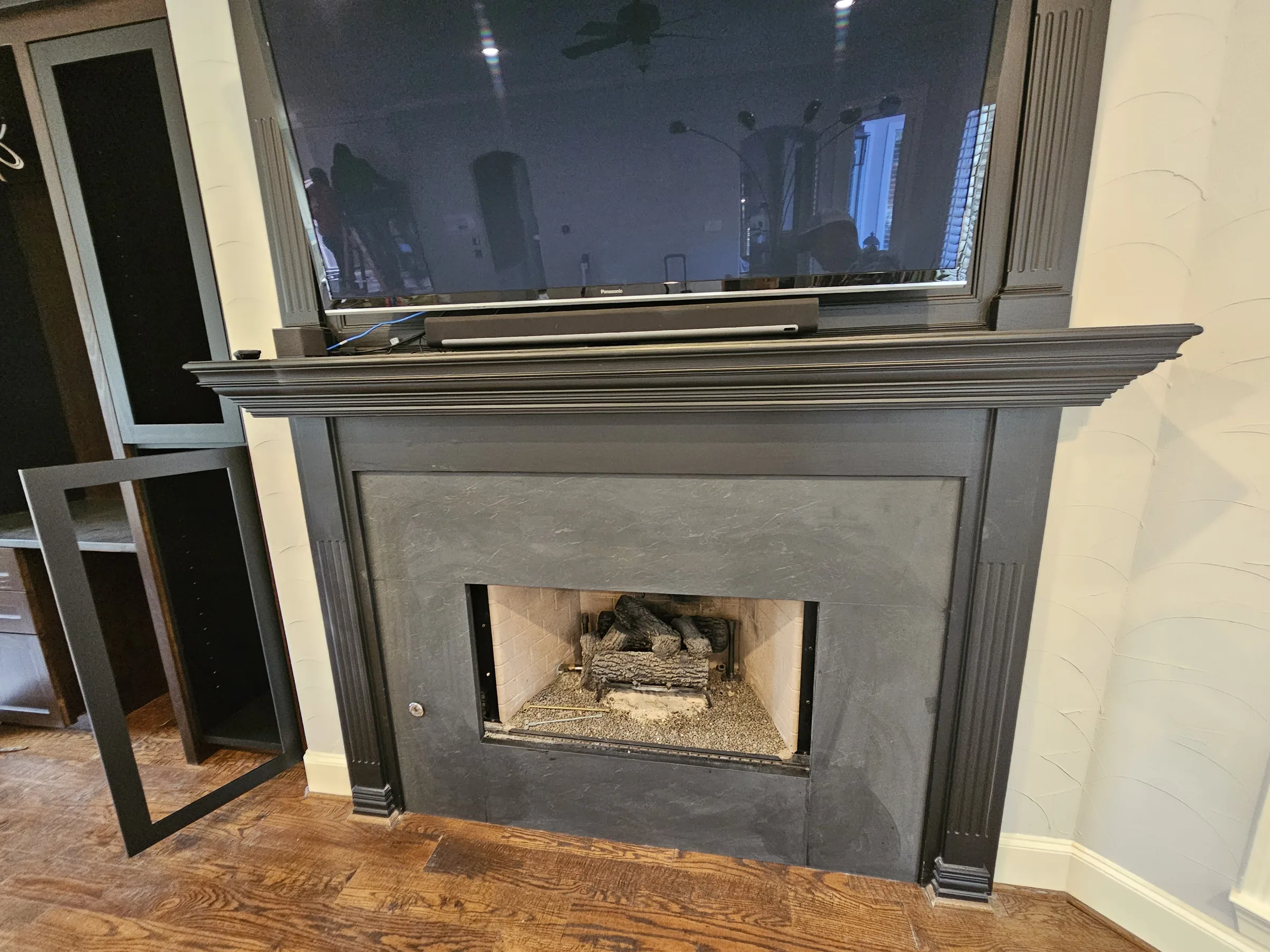
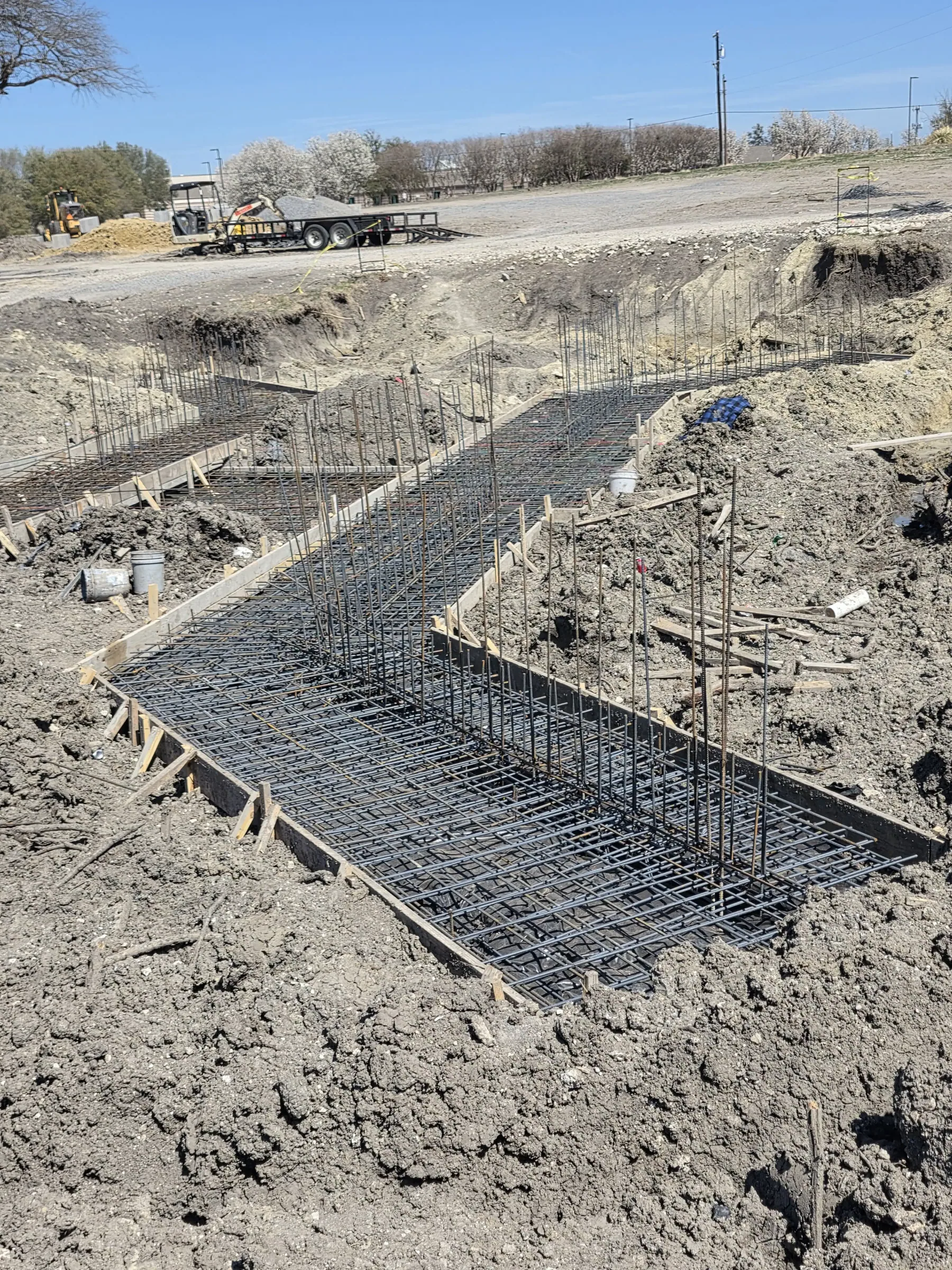
The foundation is the part of your house you’ll never look at and never stop depending on. In this part of Texas the soil is heavy clay that swells when it rains and shrinks when it doesn’t, which means the slab is designed for movement rather than pretending movement won’t happen. That means real engineering, correct moisture conditioning before the pour, post-tension cable laid where the drawings say and not where it’s convenient, and drainage that carries water away from the perimeter for the life of the house. Skipping any of it saves money in month three and costs a great deal in year eight.
Selections are where schedules quietly die. Cabinets, tile, stone, plumbing fixtures and lighting all carry lead times, and a single backordered item can idle a crew for weeks. I front-load those decisions and keep a running list of what has been ordered, what has arrived and what’s still open. It’s unglamorous project management and it’s most of the difference between a build that lands near its date and one that drifts by a season. You’ll always know where yours stands, because I’d rather tell you early than explain later.
Trees change a plan more than people expect. A mature oak worth keeping sets the house back, which moves the drive, which moves the drainage. I would rather redraw around a tree that will be shading the back porch in twenty years than take it out for the convenience of a rectangle.
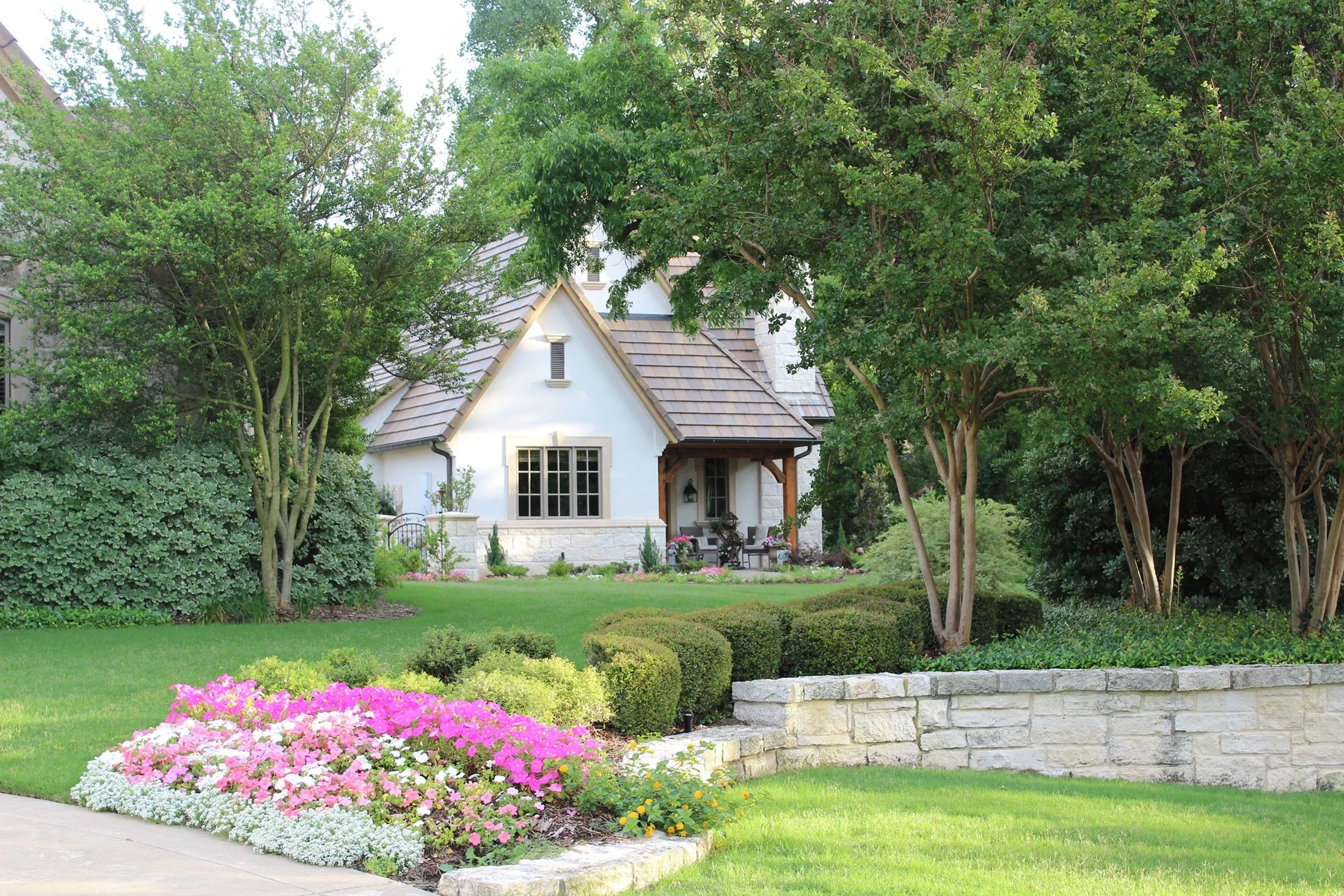
Work from around here



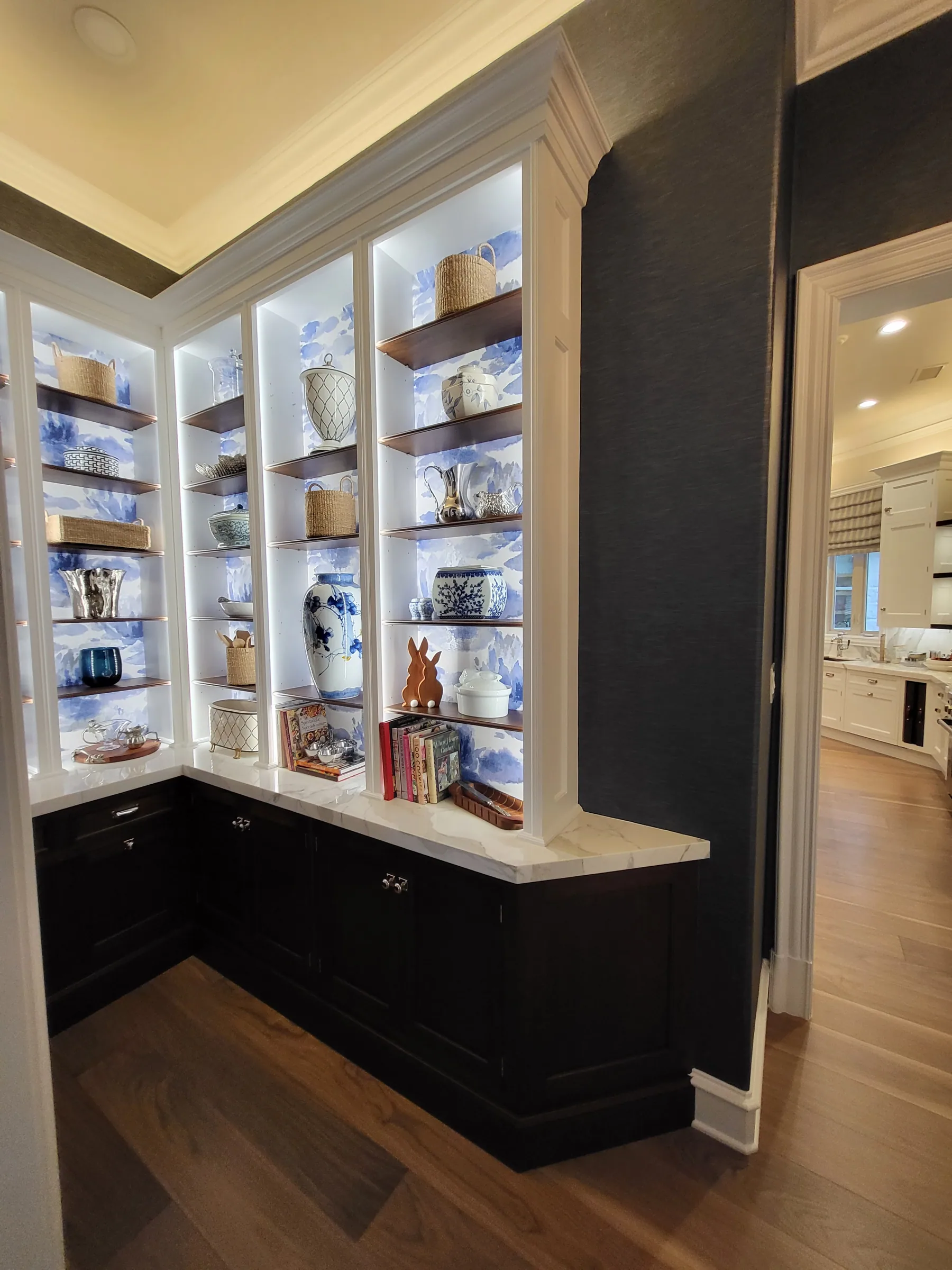
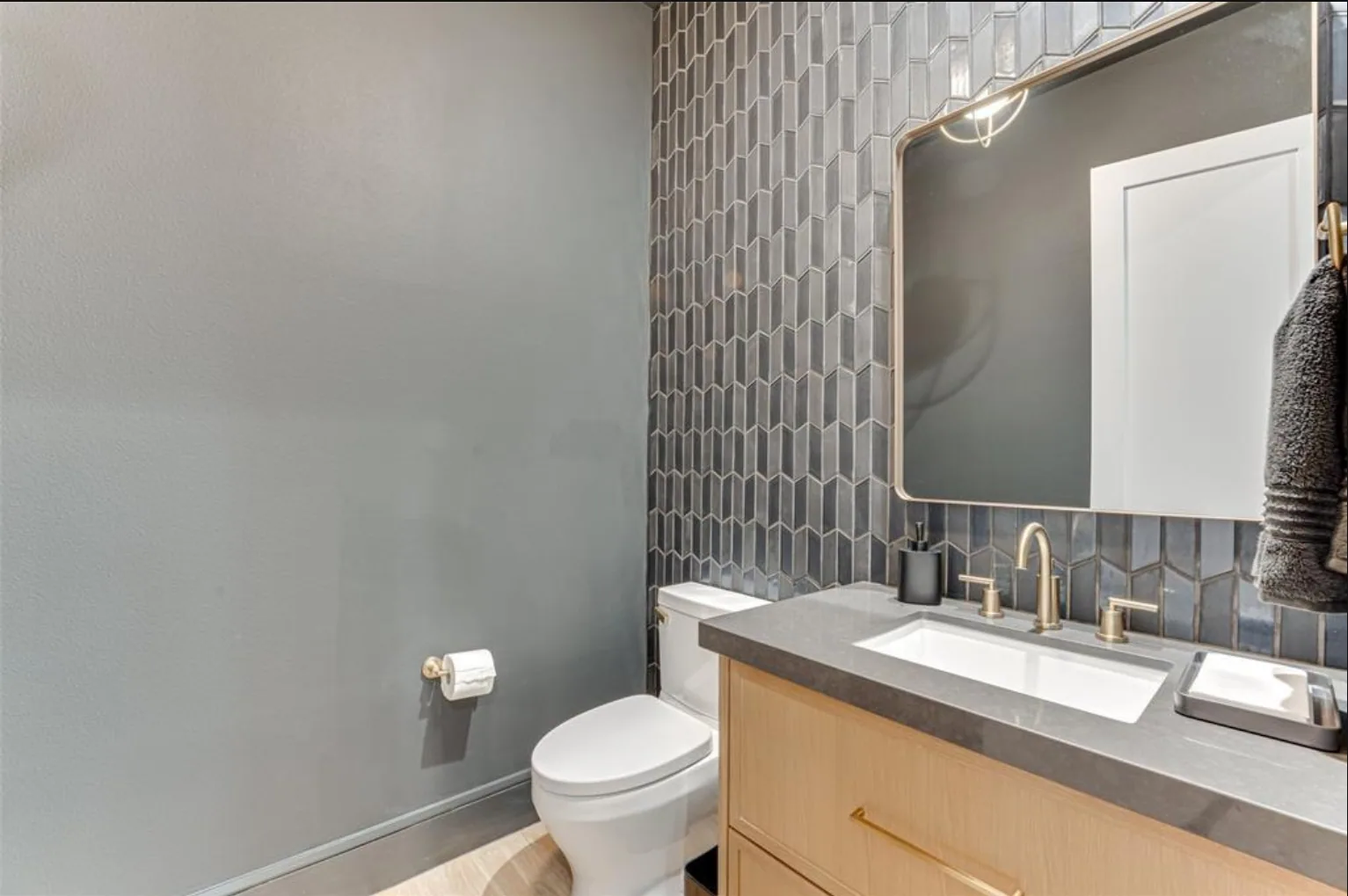
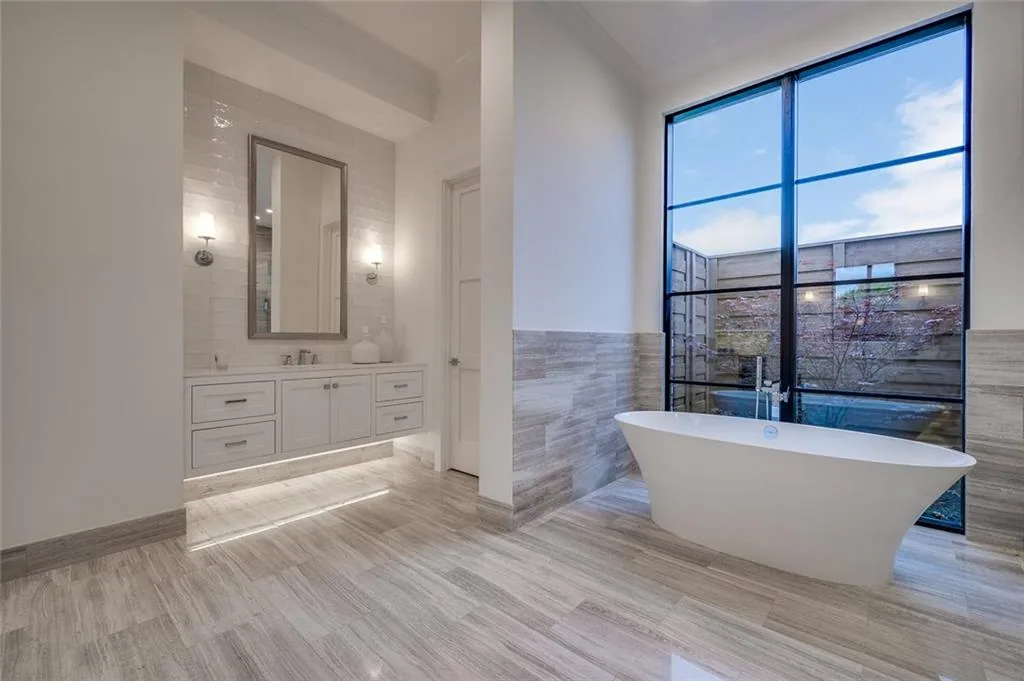
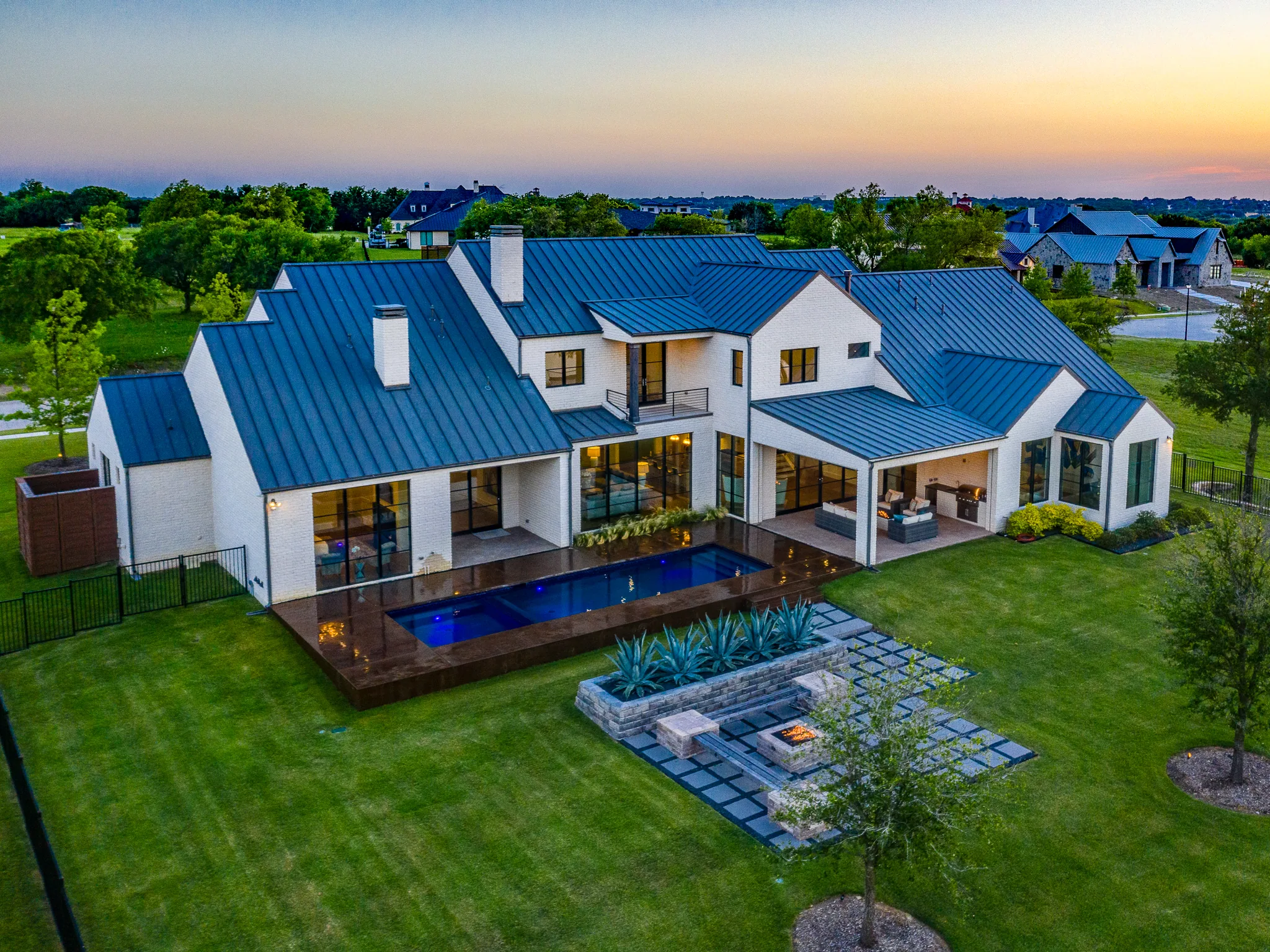
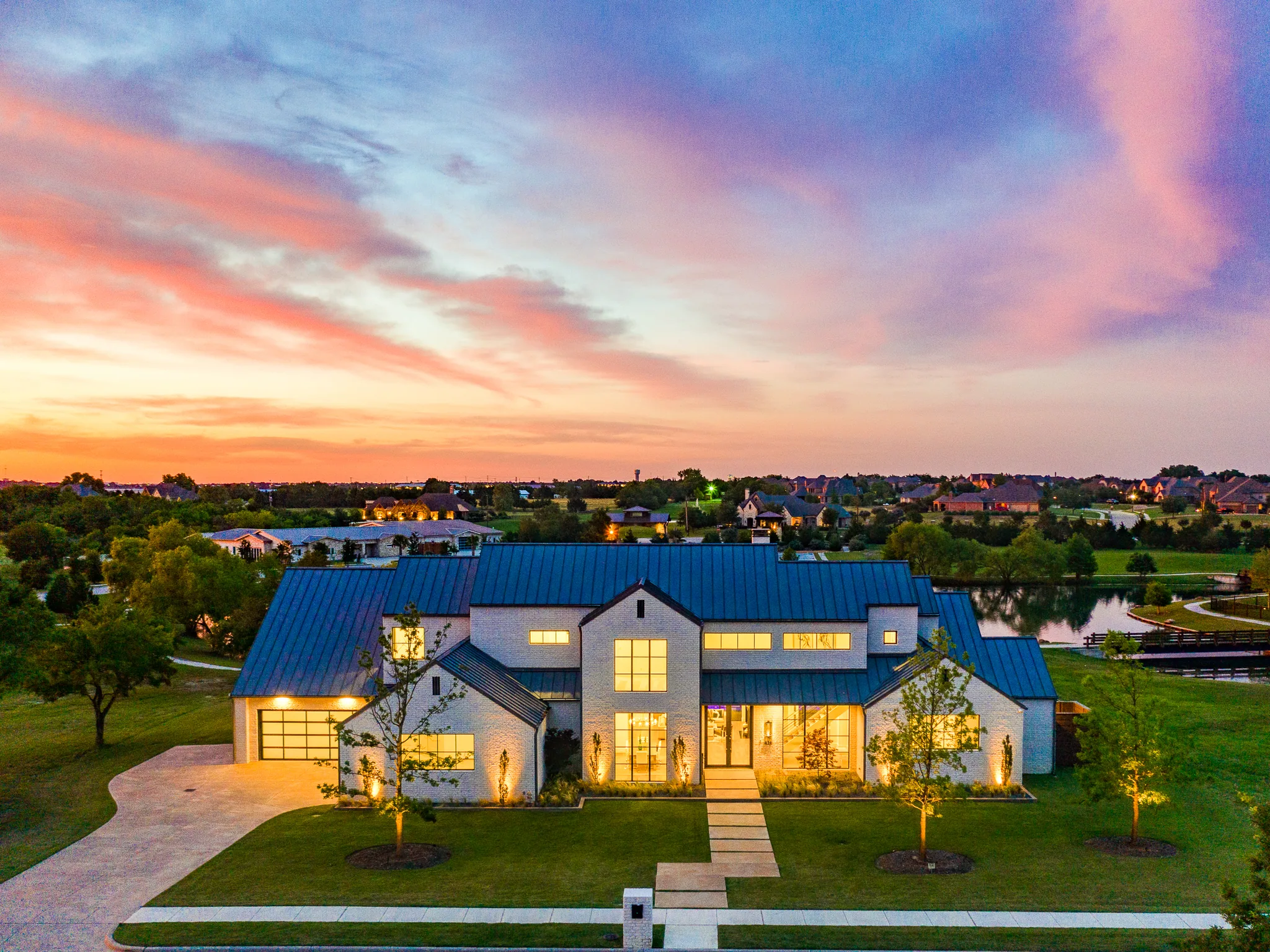
Each of these homes has its own gallery in the portfolio.
Cedar Hill and the rest of Dallas County
1The lot
First visit is boots on the dirt. I want to see where water goes in a hard rain, which trees are worth keeping and how a truck gets to the back of the property.

2The plan
This is where we decide the things that can't be undone later: where the house sits, which way it faces and how the rooms stack.
3The numbers
Site work, foundation, framing and finishes get priced as separate realities. You see where the money actually goes, including the parts nobody enjoys paying for.
4The dirt
Clearing, cut and fill, drainage structures and the slab. Nothing here shows up in a photograph and all of it determines how the house ages.

5The frame
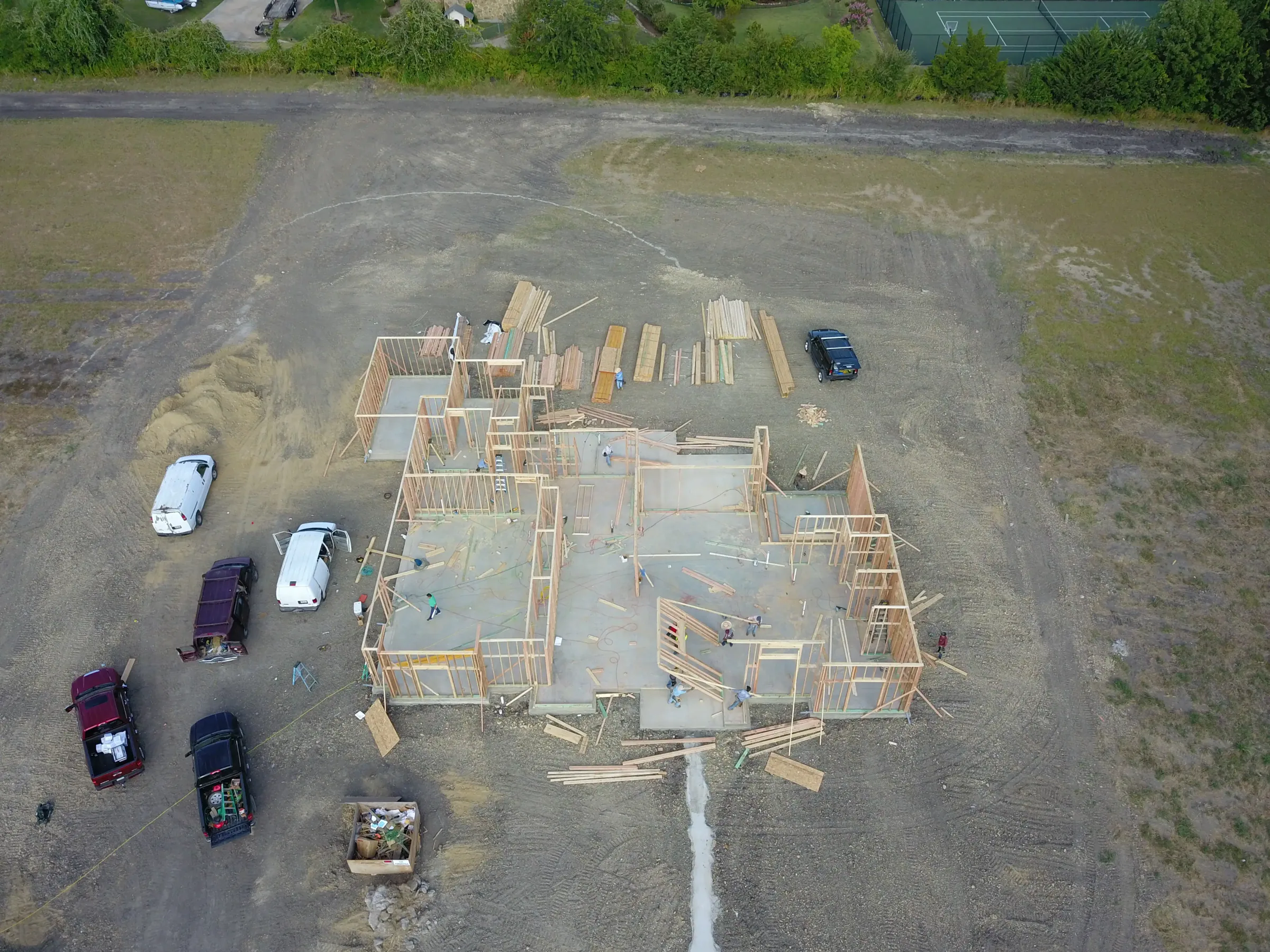
The skeleton goes up and suddenly the plan is a building. It's also the last cheap moment to move a window or raise a ceiling.

6The finish
Everything you'll actually put your hands on. It moves slowly on purpose, because rushed trim work shows for as long as the house stands.

7The keys
We walk it together, write down what isn't right, and I fix it. Then I'm still reachable through the first year while the house settles.
Come by whenever you like. The frame stage is the one worth planning a visit around, because it's the last point where moving something is cheap.
What the site tells you
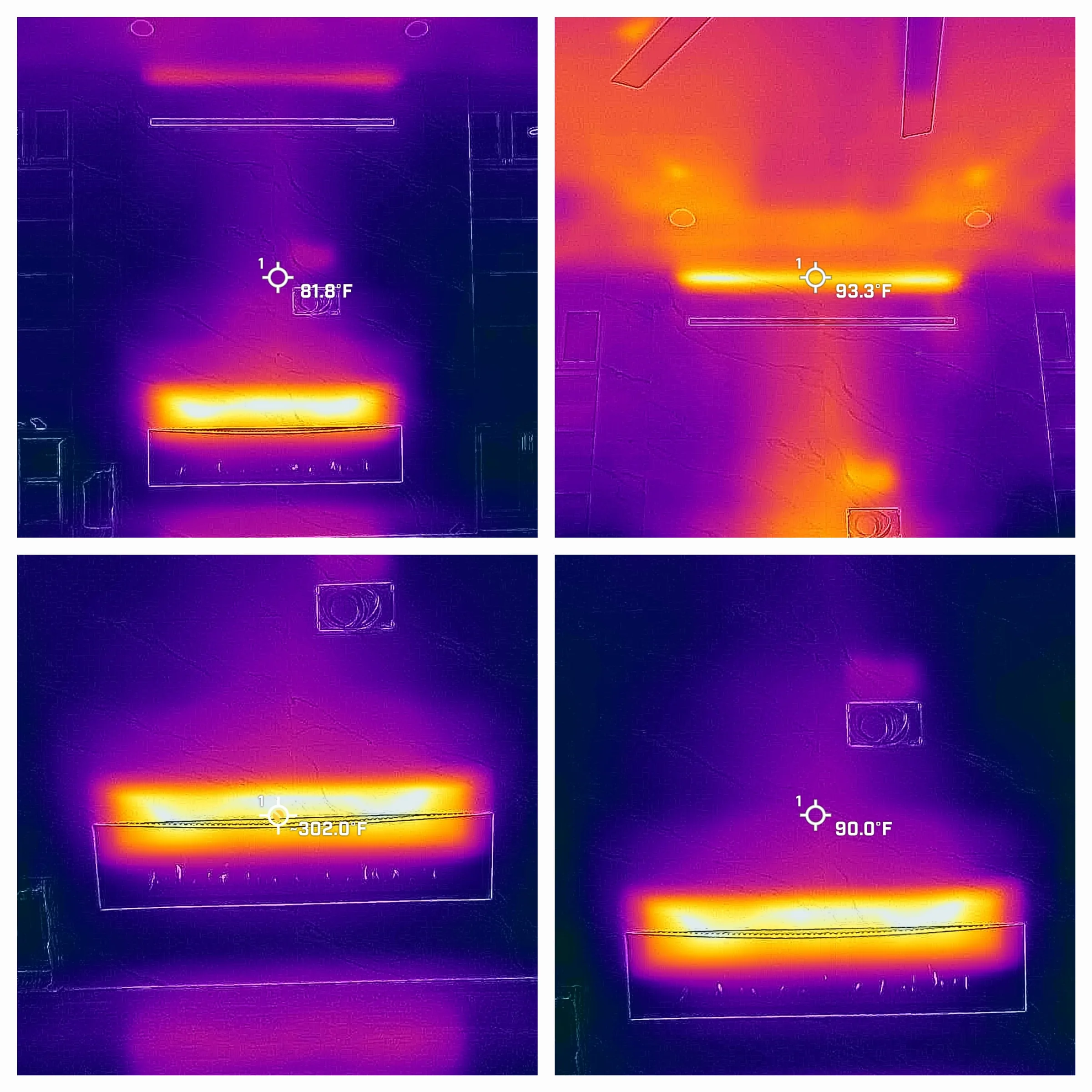
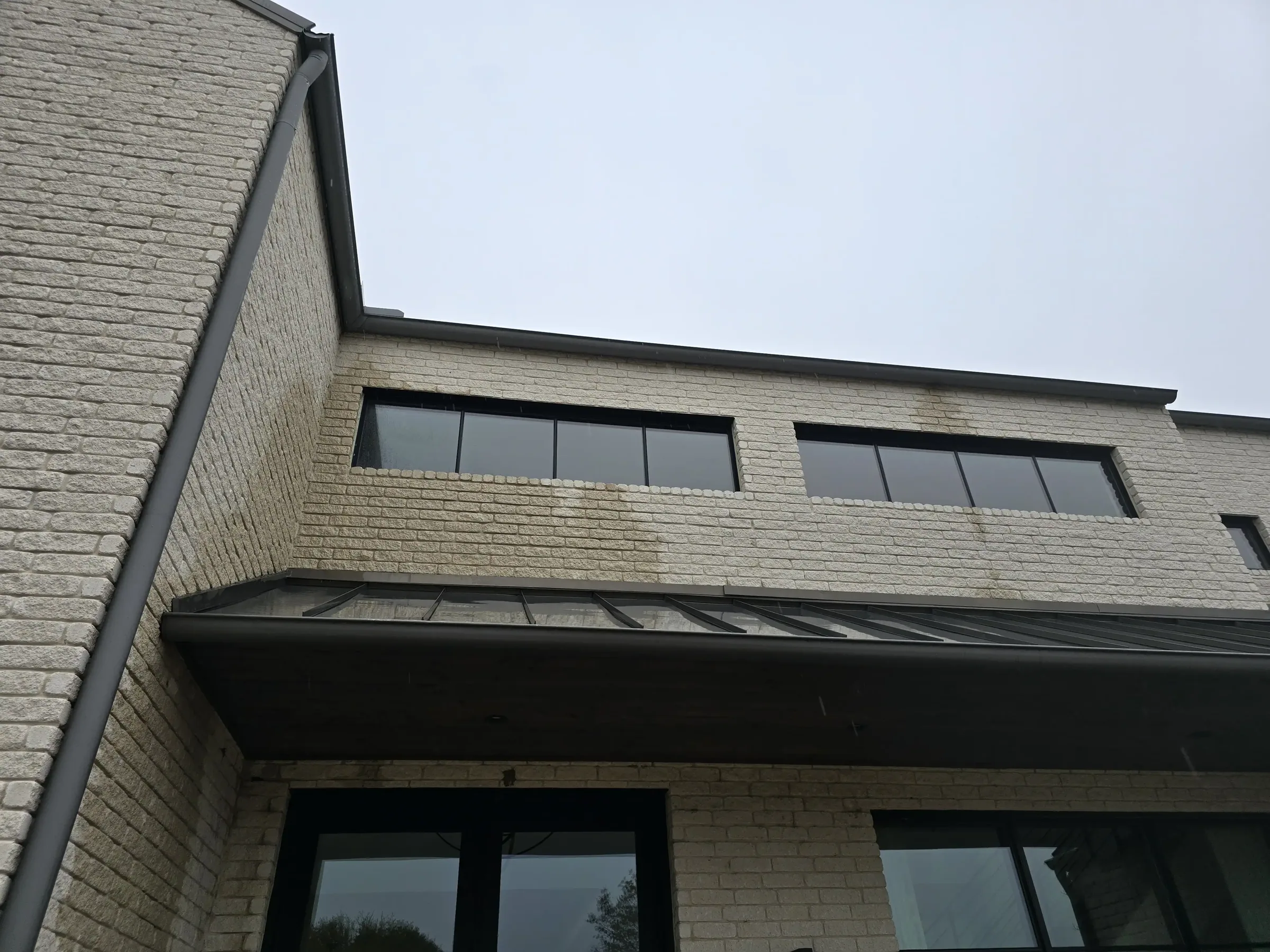
Dirt, drainage and structure from real jobs. The unglamorous phase that decides the house.
Questions I get asked
Do you build in Cedar Hill?
Yes. Cedar Hill sits in Dallas County, and it's inside the area I can get to often enough to actually be on the job.
What is different about building in Cedar Hill?
Lots where soil, drainage and orientation decide the foundation before anything else. That shapes the foundation and the footprint before anything else.
Do I need a lot first?
You don't. Bring me the ones you're considering and I will tell you what each would cost you in dirt before you commit.
How long will it take?
It depends on the house and the site. Tell me about yours and I will give you a real range rather than a brochure number.
Do you handle the permits?
That’s mine to handle, permits and review both.
What happens if something goes wrong?
I tell you before you find it, along with what I intend to do about it and what it changes.
Thinking about a build in Cedar Hill?
If a Cedar Hill builder has told you something that doesn't sit right, get a second read.