

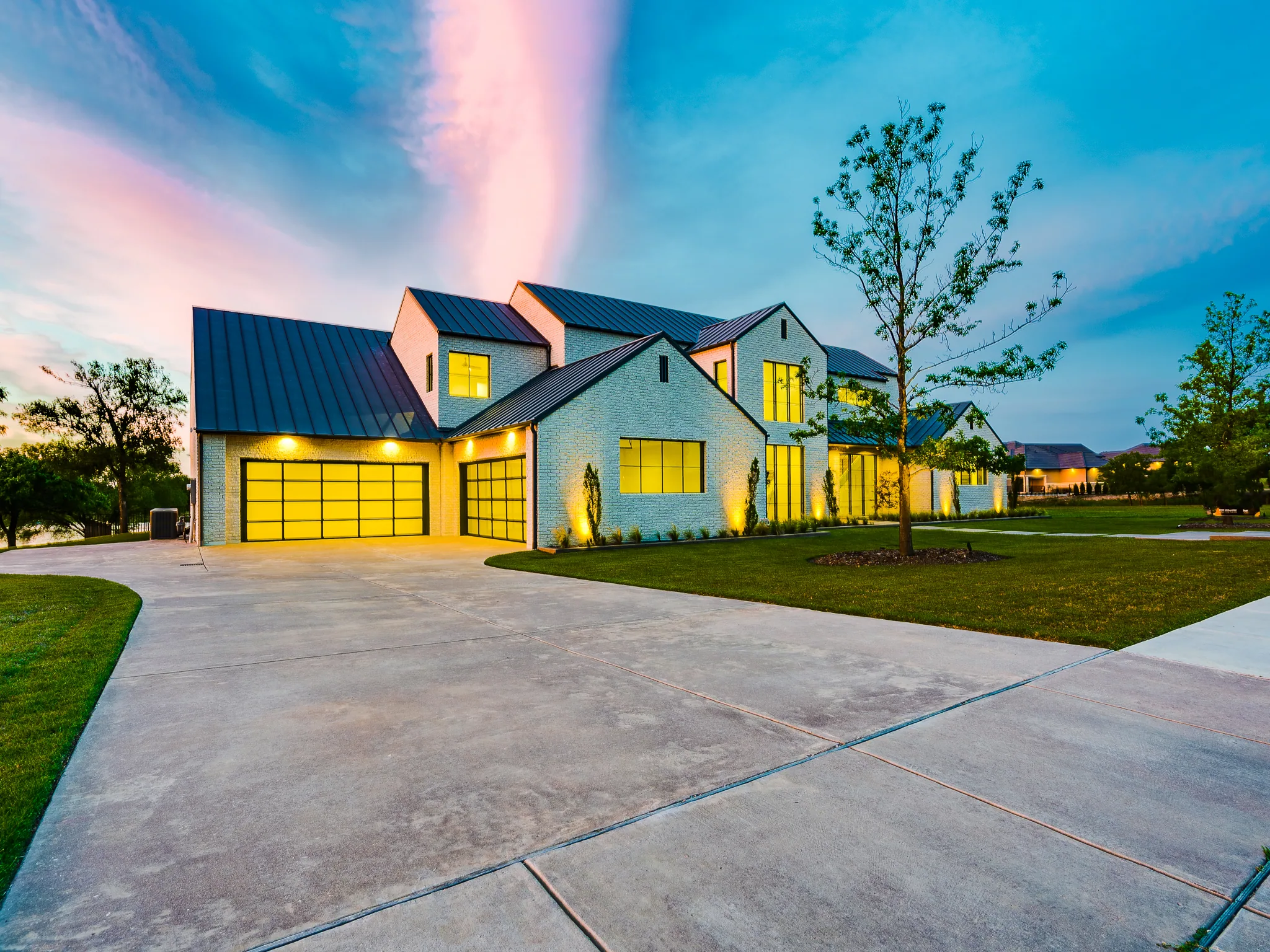
Contemporary.
Every job has something go sideways. The difference is whether you find out from the builder or from an inspector.
Talk to Aaronor call (972) 528-5668
Getting the language right
A style isn’t a finish package. It shows up in massing, roof pitch, window proportion and how the house meets the ground.
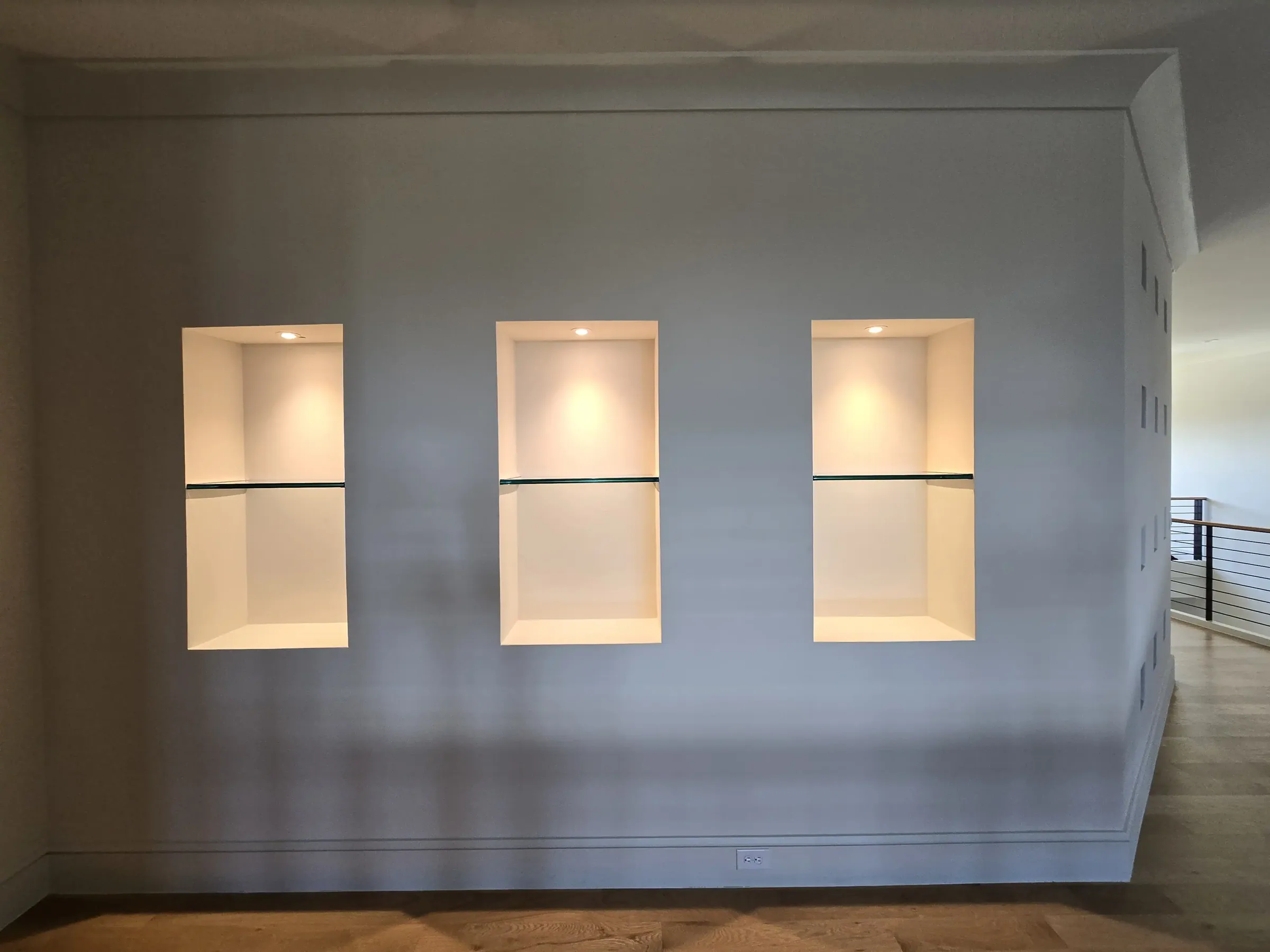
Nothing gets covered that I wouldn’t be comfortable looking at in five years. If something needs to be redone, it gets redone before the drywall goes on.
Change orders aren’t inherently bad. They are how a house adapts to what you learn while standing in it. What is bad is a change order you find out about after the work is done, or one priced as a favor and settled at the end. Mine are written before the work happens, with the cost and the schedule impact stated, and you sign them or you don’t. That’s it. It keeps the conversation about the house rather than about the invoice.
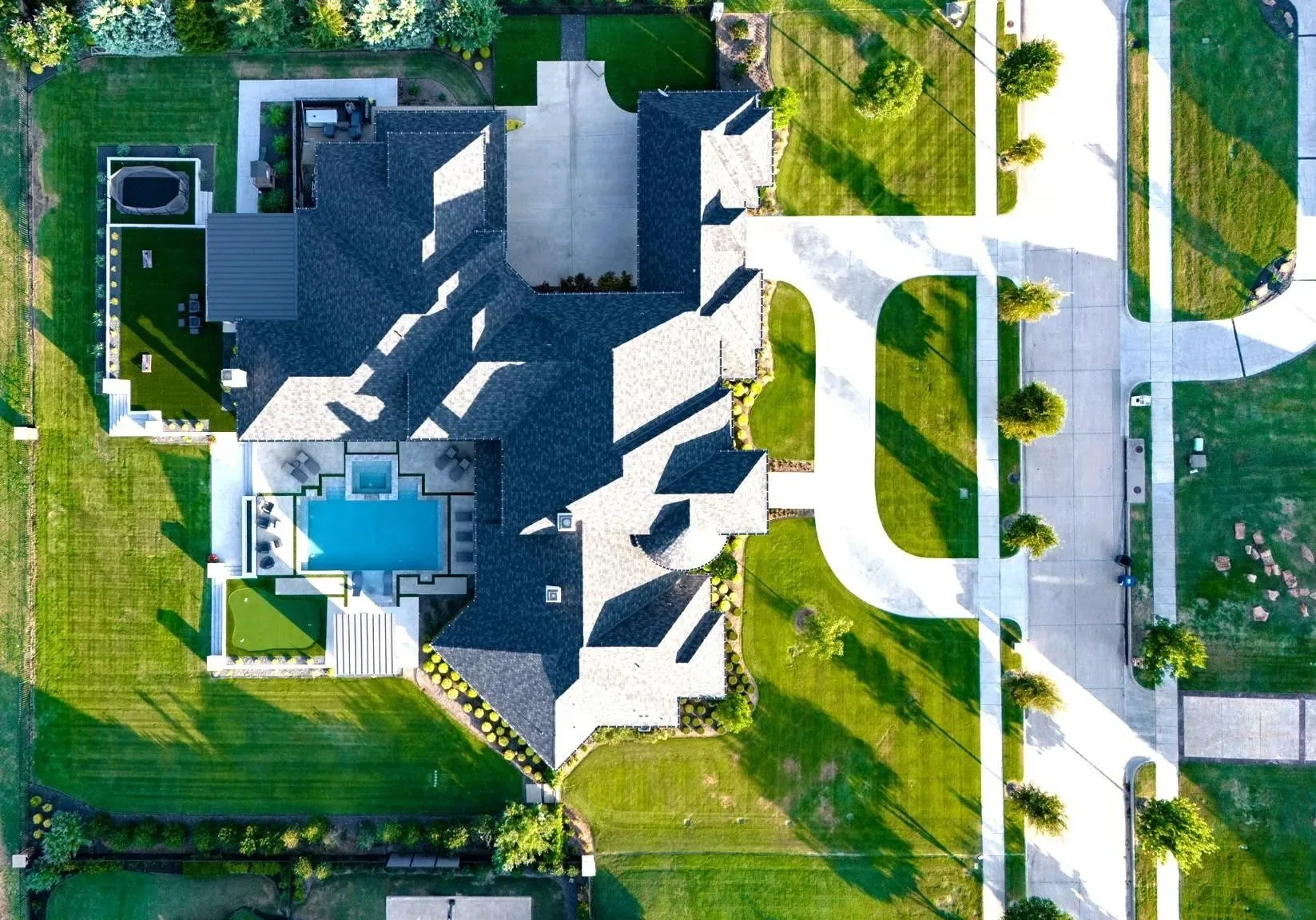
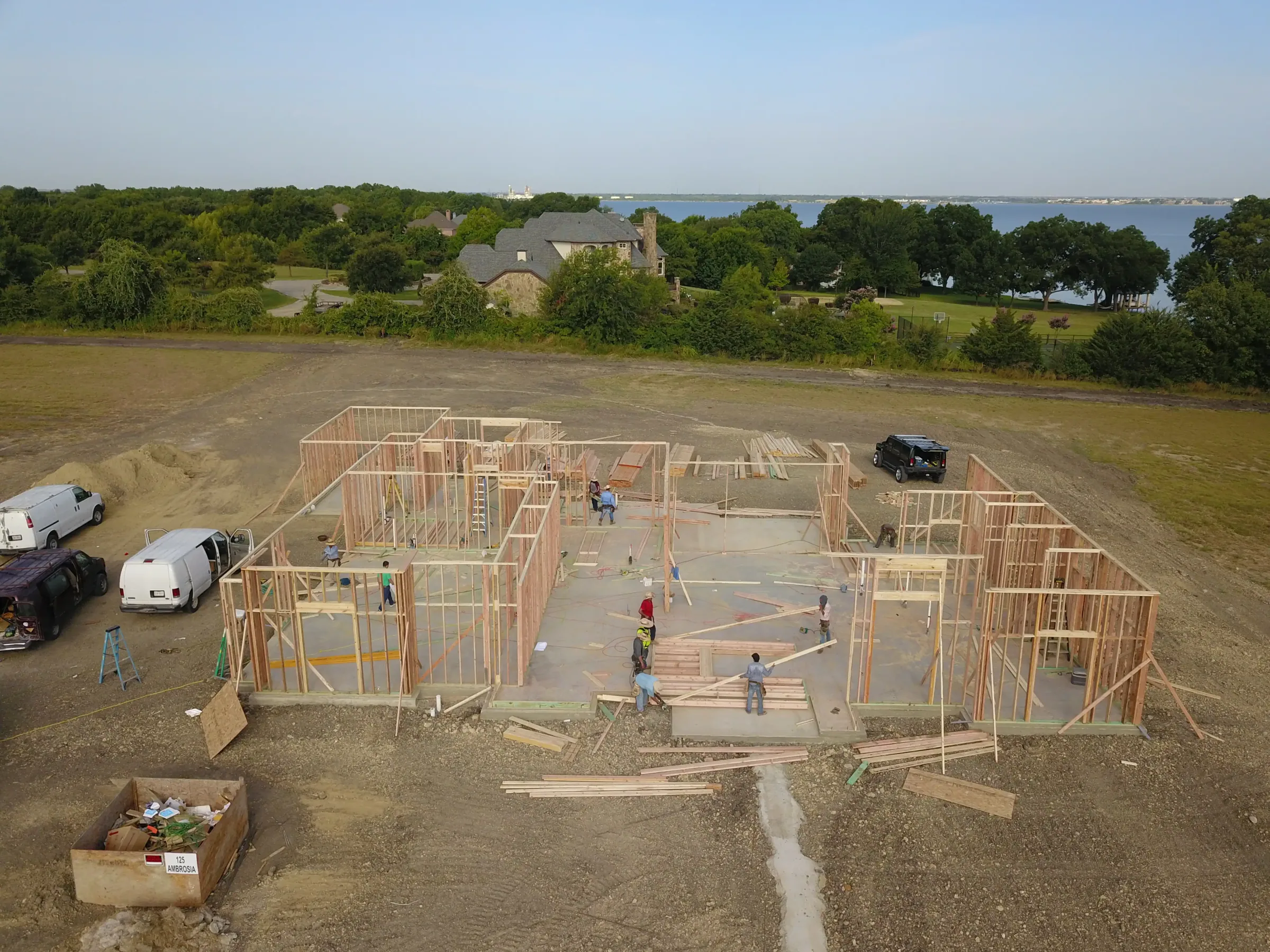
You’ll see the house at every stage, and I want you on site during framing especially. That’s the window where changes are still cheap and still possible.
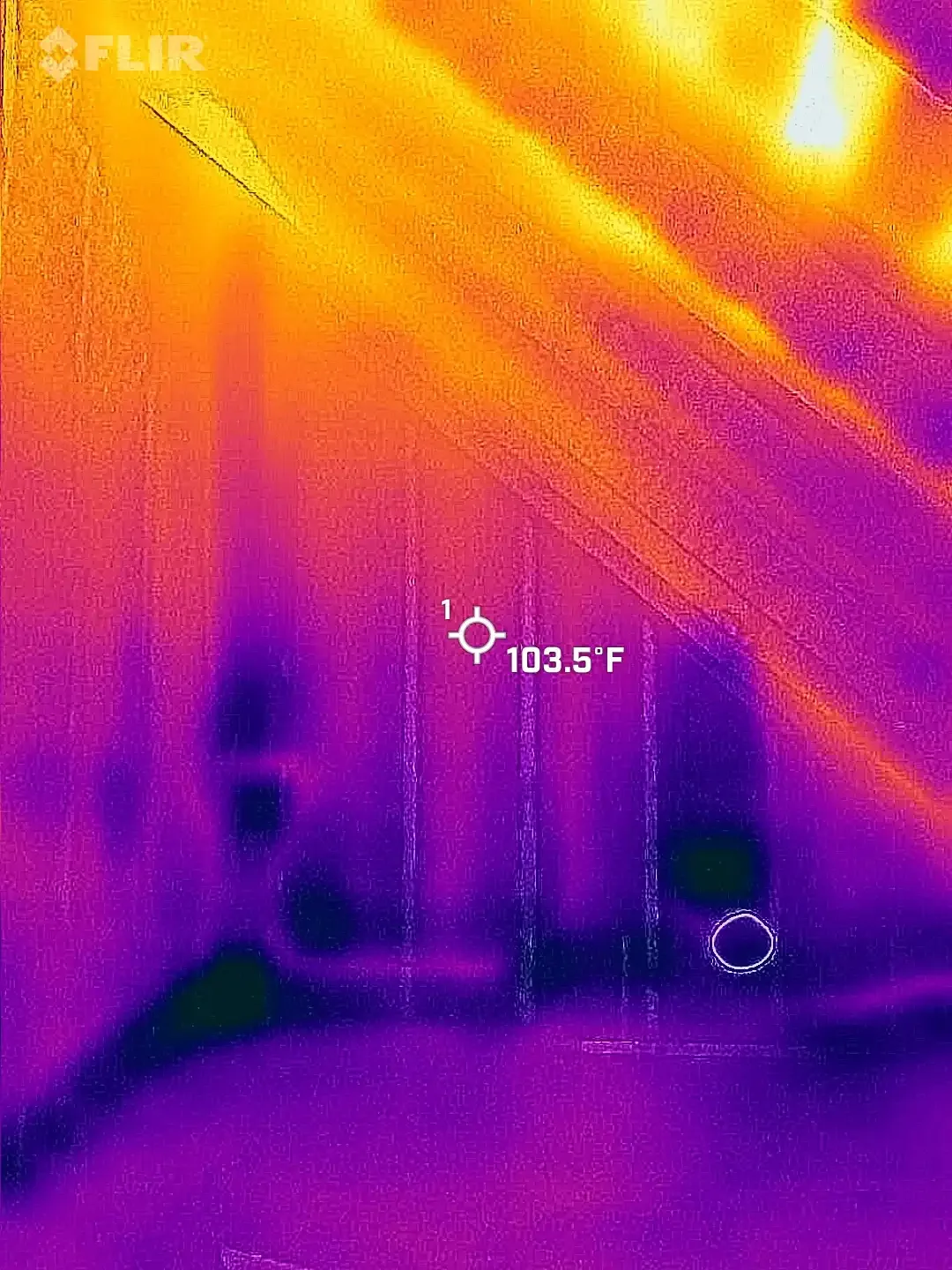
Mechanical, electrical and plumbing get coordinated before anyone cuts anything. Where the ducts run, whether the trusses can carry them, where the panel sits and how far the longest plumbing run has to travel. Done early, on paper, it costs a few meetings. Done in the field by whoever shows up first, it produces drilled structural members, soffits nobody planned for, and rooms that are colder than the rest of the house for reasons no one can trace.
I don't chase the lowest bid on trades. The cheapest framer is expensive twice.
It’s ordinary discipline, applied consistently, which turns out to be rare.
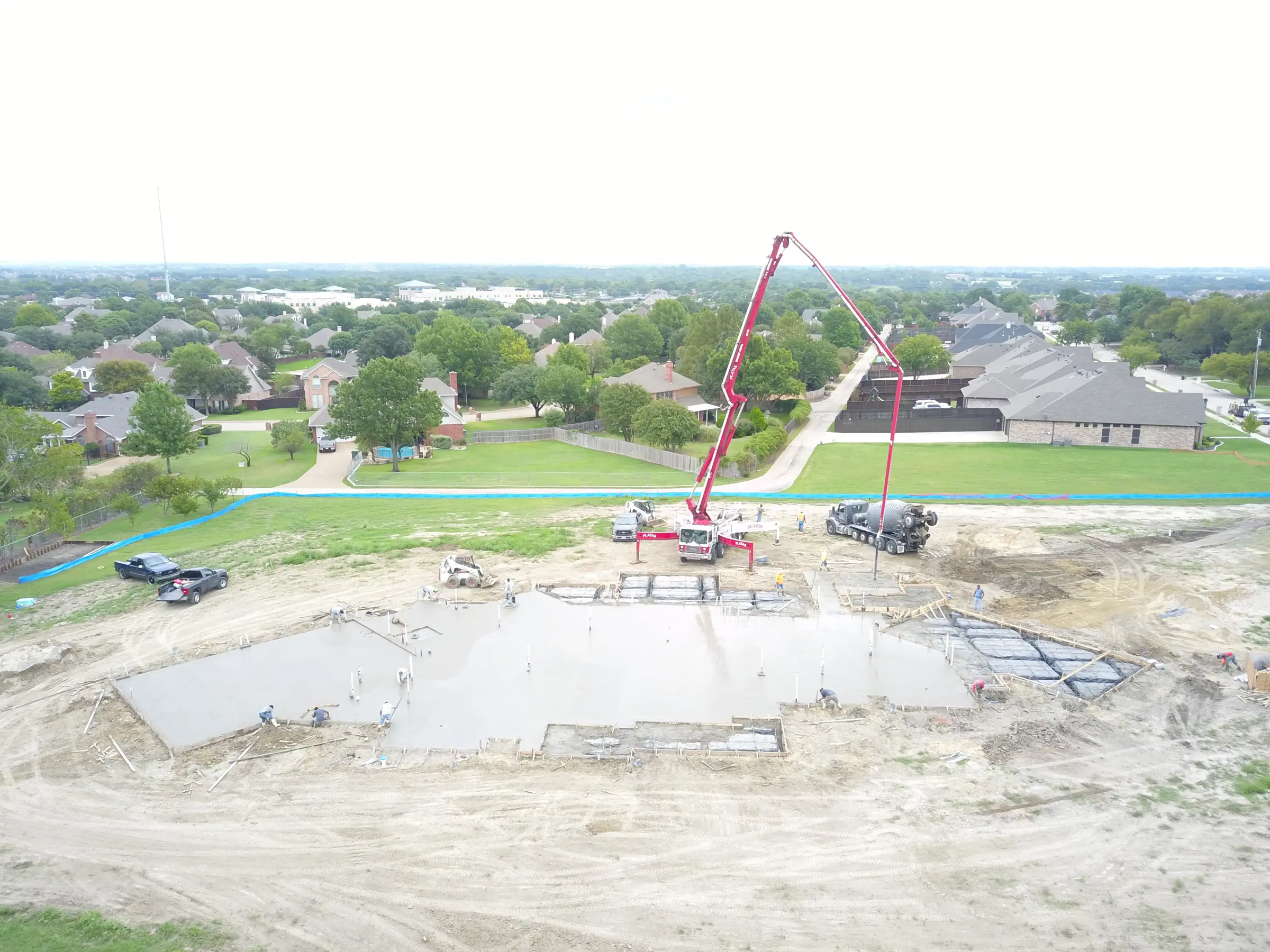
I price the site work honestly, including the parts nobody enjoys paying for. Dirt, drainage, drives and utilities are where the surprises live, and I’d rather put real numbers on them in month one.
Change orders aren’t inherently bad. They are how a house adapts to what you learn while standing in it. What is bad is a change order you find out about after the work is done, or one priced as a favor and settled at the end. Mine are written before the work happens, with the cost and the schedule impact stated, and you sign them or you don’t. That’s it. It keeps the conversation about the house rather than about the invoice.
Selections are where schedules quietly die. Cabinets, tile, stone, plumbing fixtures and lighting all carry lead times, and a single backordered item can idle a crew for weeks. I front-load those decisions and keep a running list of what has been ordered, what has arrived and what’s still open. It’s unglamorous project management and it’s most of the difference between a build that lands near its date and one that drifts by a season. You’ll always know where yours stands, because I’d rather tell you early than explain later.
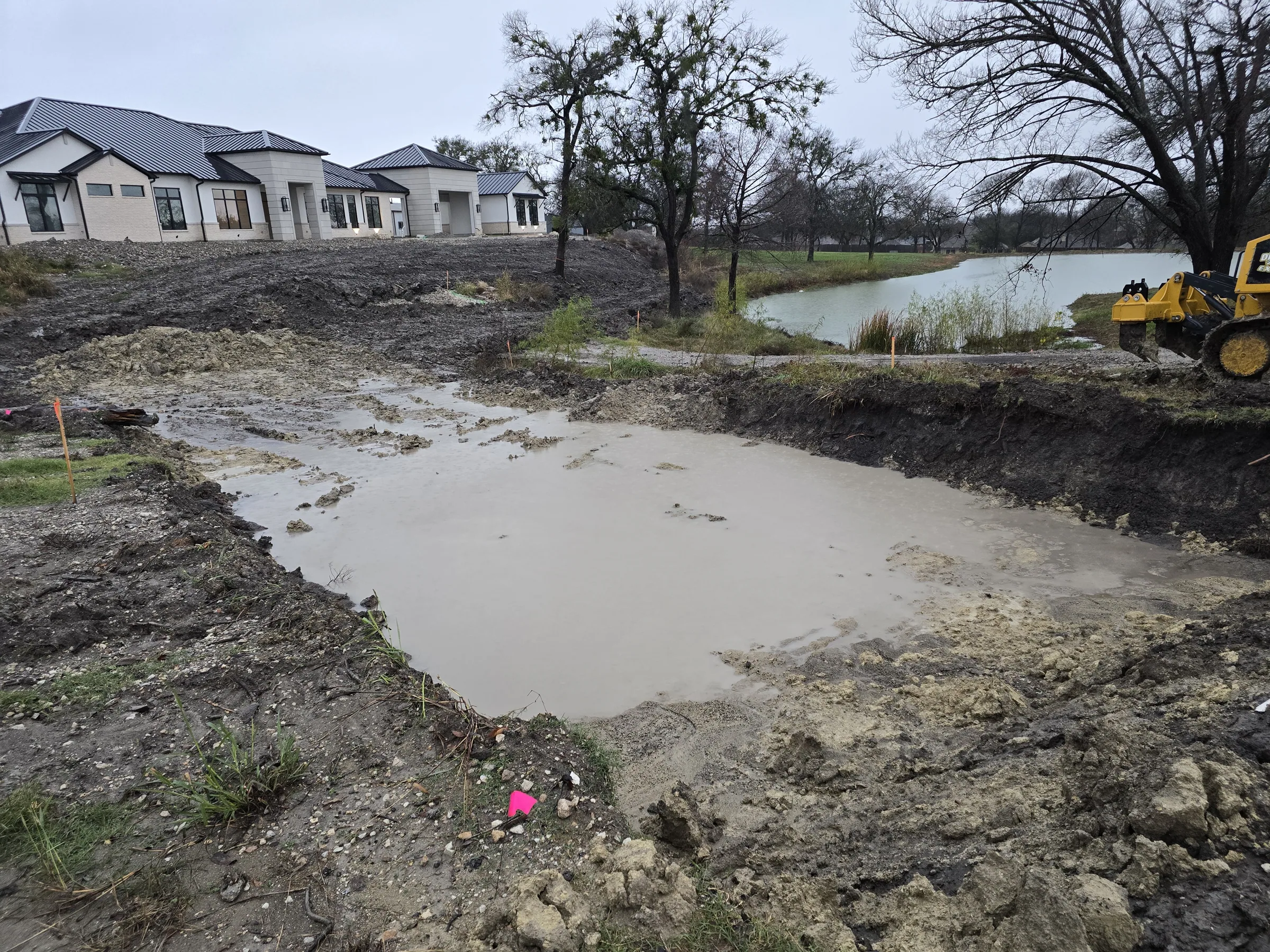
Drainage is the quiet one. Water has to leave the property somewhere, and where it goes after it leaves your pad is a question the city will ask and your neighbor will ask louder. Getting the grades right the first time is a small line in the budget; getting them wrong costs a foundation.

1The lot
Before anything is drawn I want to stand on the lot with you and talk about what it's actually going to cost to build here, starting with the dirt.

2The plan
This is where we decide the things that can't be undone later: where the house sits, which way it faces and how the rooms stack.
3The numbers
Site work, foundation, framing and finishes get priced as separate realities. You see where the money actually goes, including the parts nobody enjoys paying for.
4The dirt
Earthwork and foundation. This is the phase where doing it properly costs a little more and skipping it costs a great deal in year eight.
5The frame
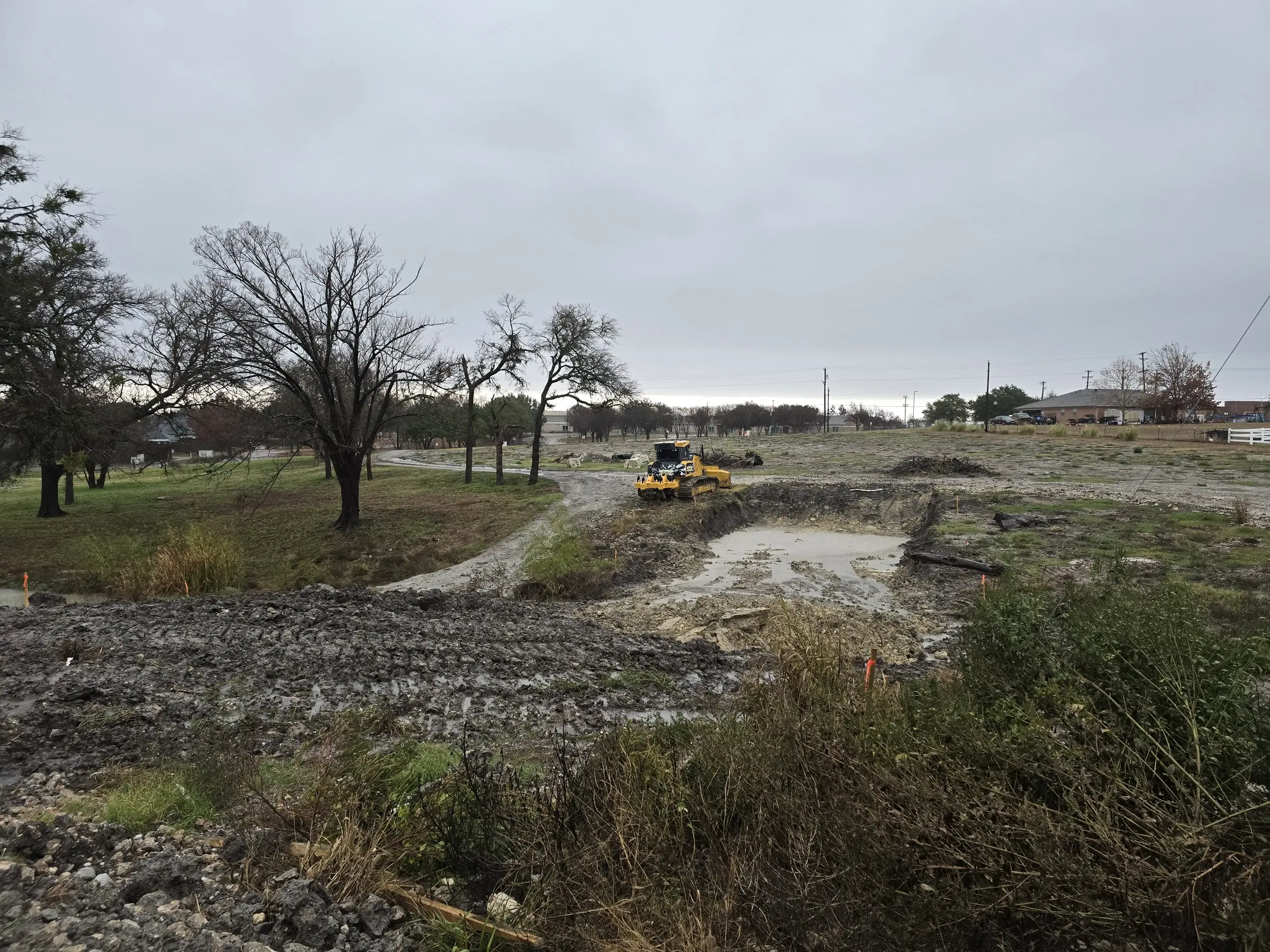
Structure goes up and the house becomes real. This is when I want you on site often, because changes are still possible and still cheap.
6The finish
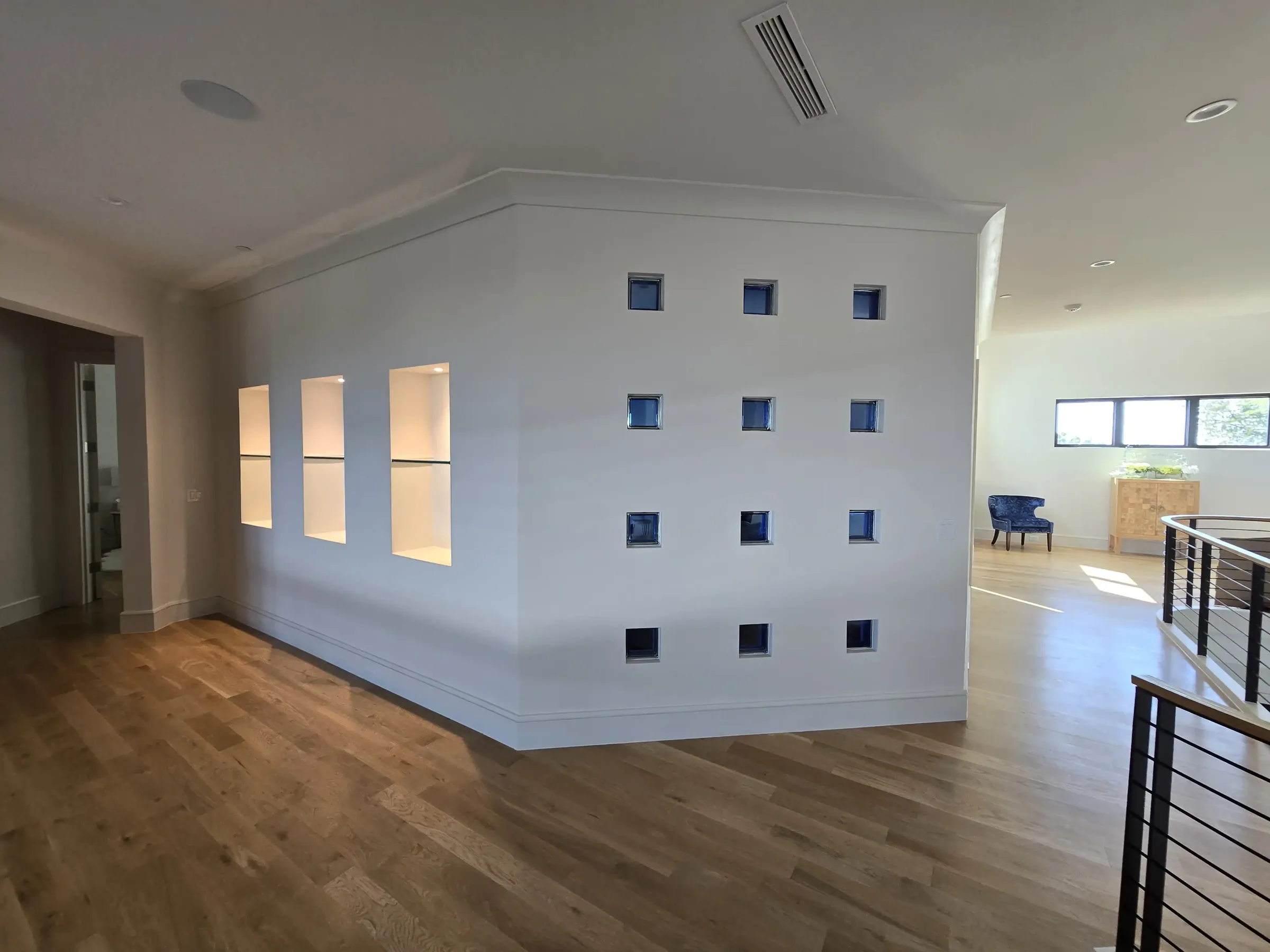
Everything you'll actually put your hands on. It moves slowly on purpose, because rushed trim work shows for as long as the house stands.

7The keys
Walk-through, punch list, and a builder who still answers the phone afterward. One family has now brought me back for a fourth project. That only happens if the last one went right.
Drop in any time. During framing I'd rather you came twice, because a change then is a conversation instead of a demolition bill.
From my jobs
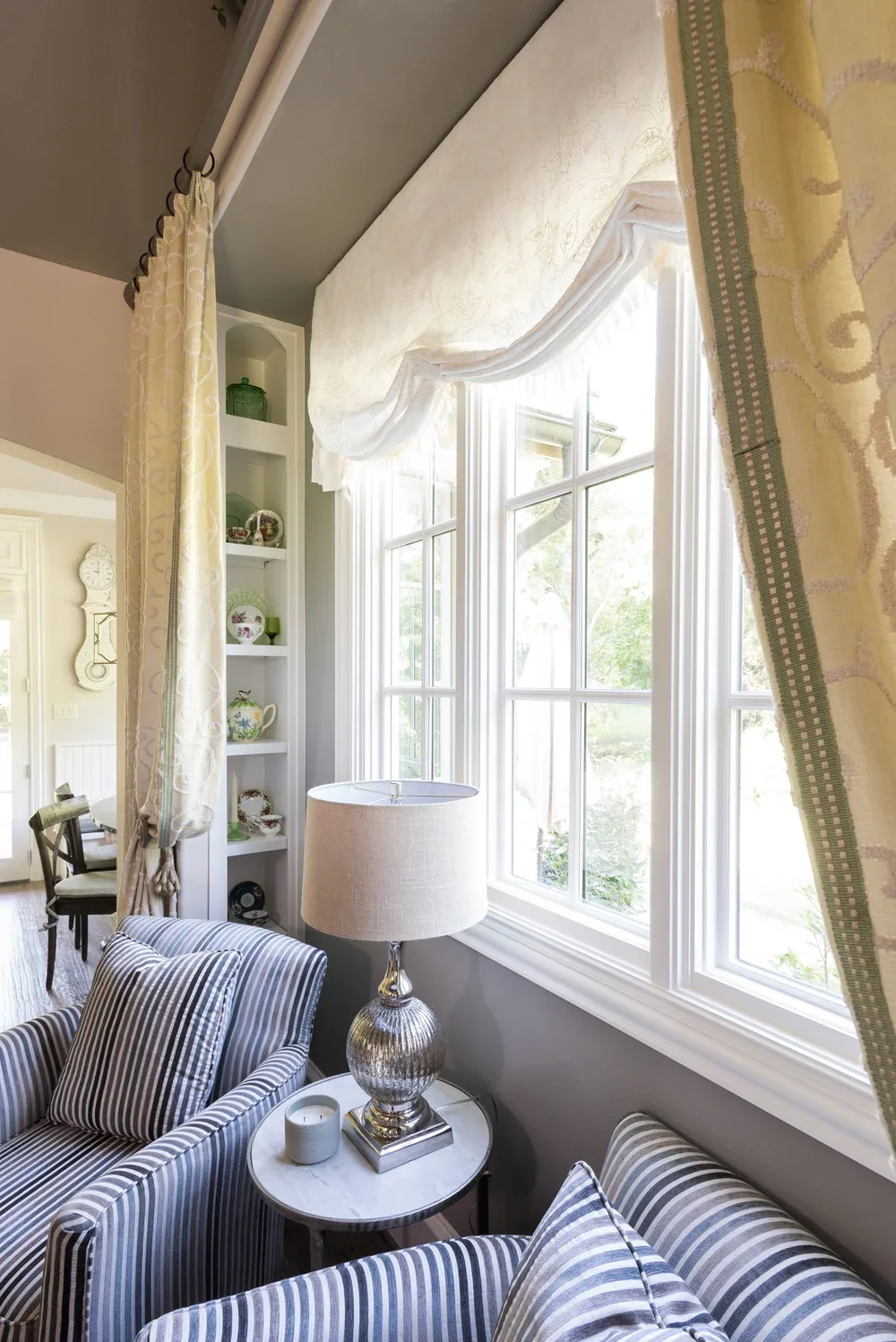
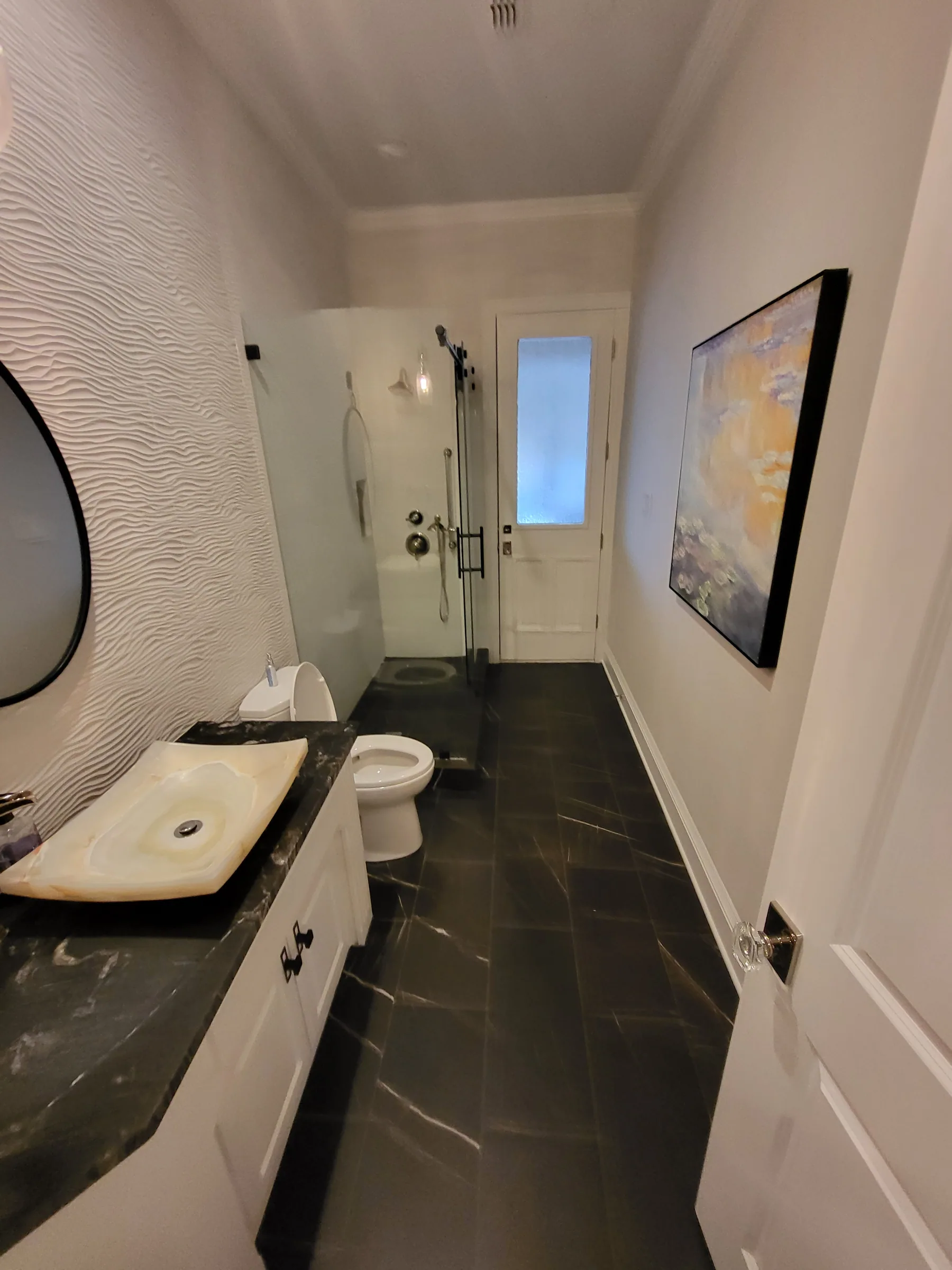
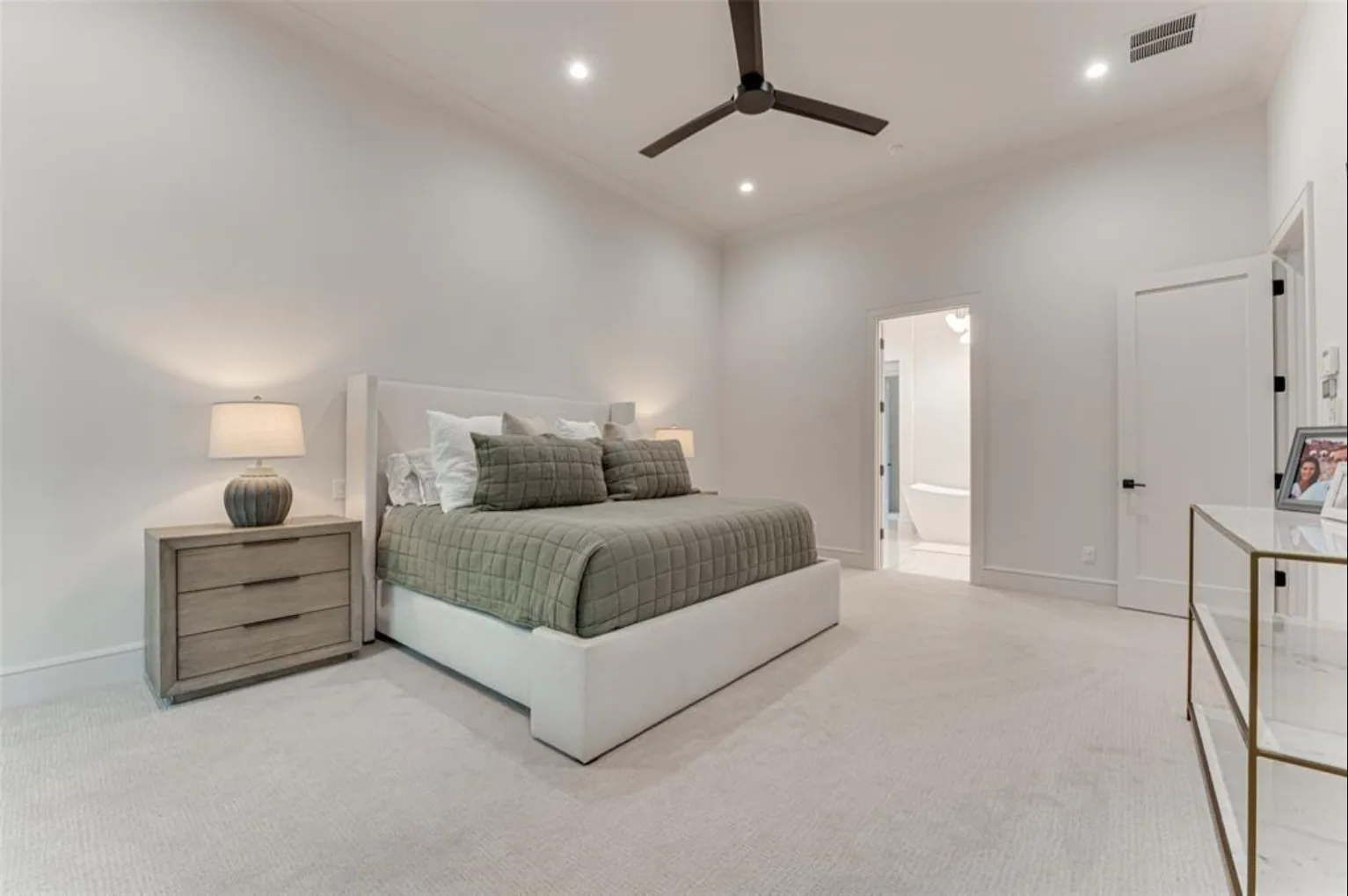


Every home with photography has its own page in the portfolio.
Underneath the finishes
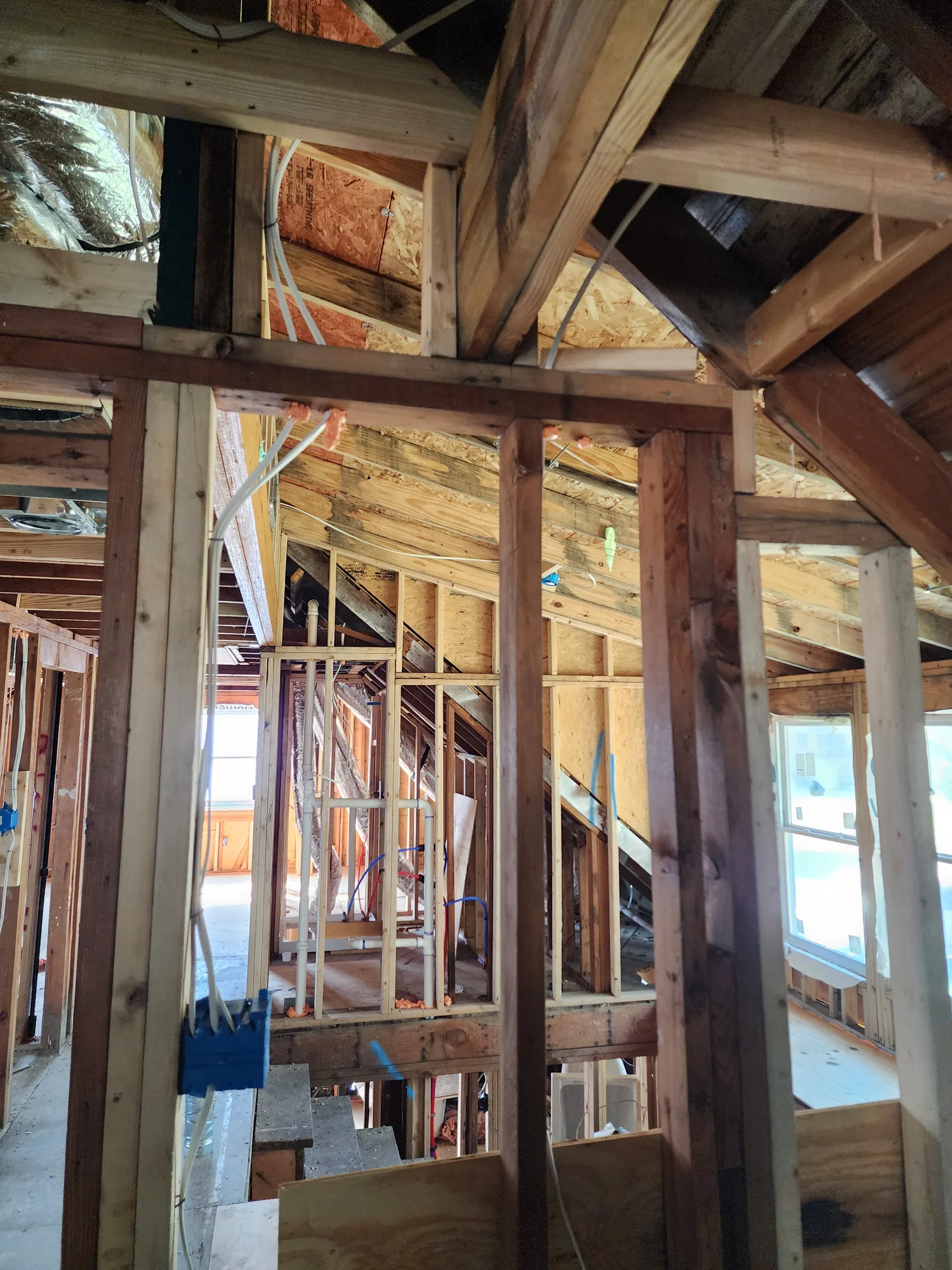
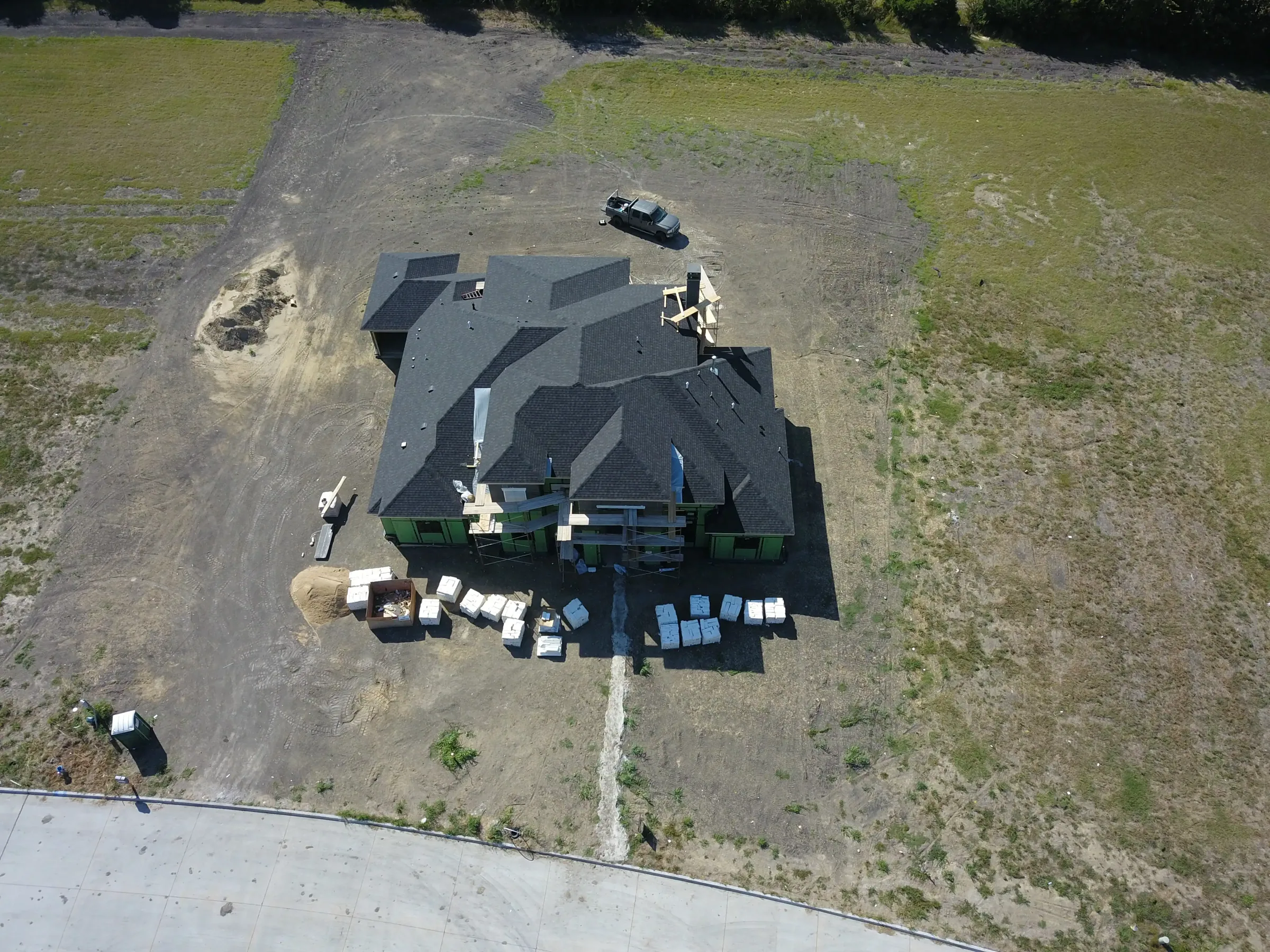
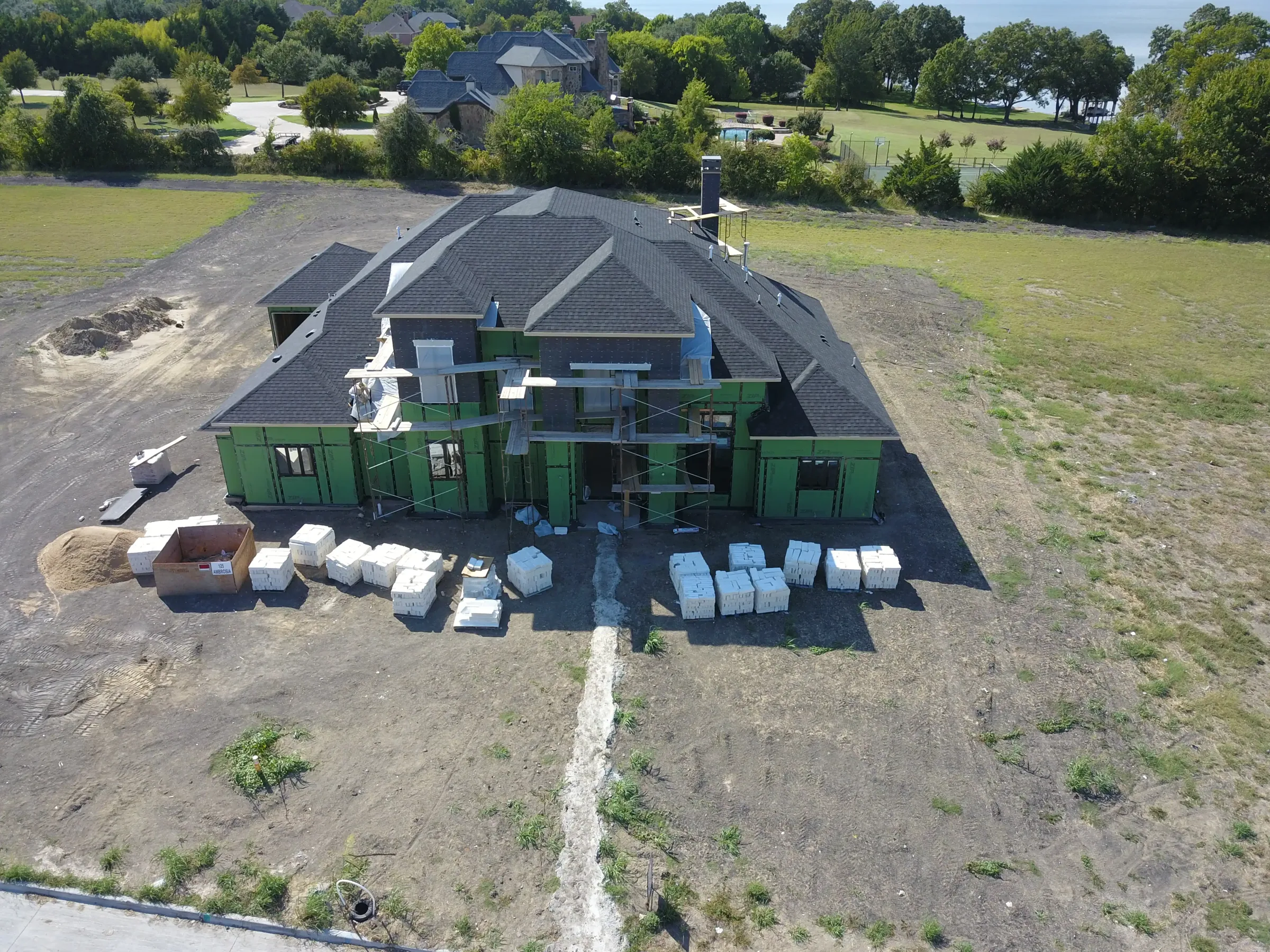
Framing, foundation and thermal work from real jobs. If a builder won’t show you this, ask why.


Related work and where I do it
Questions I get asked
What does contemporary involve?
A style isn’t a finish package. It shows up in massing, roof pitch, window proportion and how the house meets the ground. On my jobs that means a site walk before plans are final, honest site-cost numbers early, and a framing stage you’re invited to walk with me.
How do you price it?
Site work, foundation, framing and finishes get priced as separate realities so you can see where the money actually goes. I don’t bury the unglamorous line items.
Can I change things during the build?
Yes, and the cost of doing so climbs steeply after framing. That’s why I want you on site early, when a change is a conversation rather than demolition.
Who does the actual work?
Trades I have worked with for years. I don’t rebid every job to the lowest number, because the savings come back as callbacks.
Do you work outside Garland?
Across 6 counties in the DFW area. I take jobs I can get to often enough to actually be on them.
What if something goes wrong?
You hear it from me first, with the plan to fix it in the same conversation.
Talk to me about contemporary
Bring me the lot or bring me the plans. Either is a place to start, and a first conversation costs nothing.