

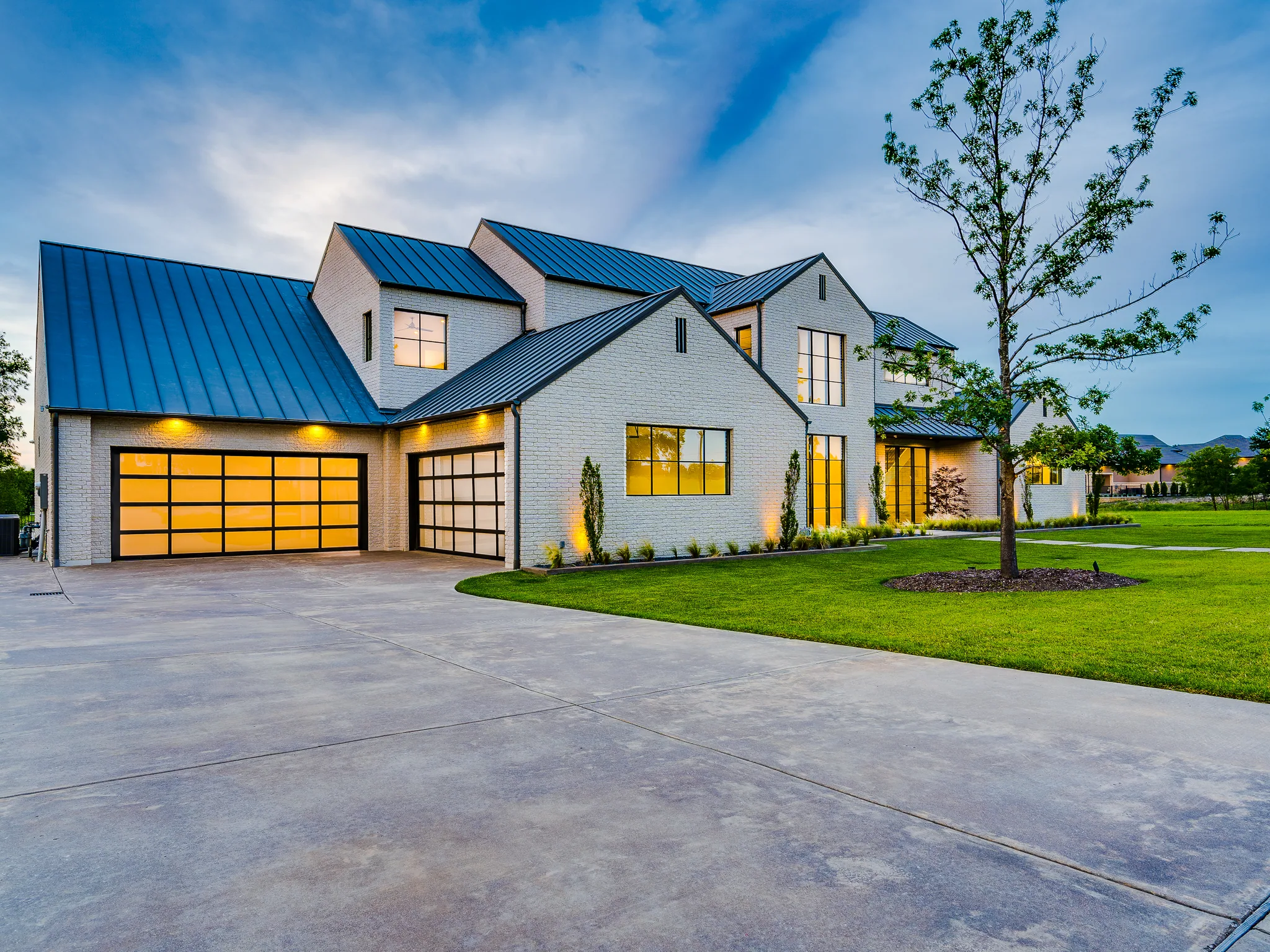
Grand Prairie’s custom home builder.
Lots where soil, drainage and orientation decide the foundation before anything else.
Talk to Aaronor call (972) 528-5668
Building a house in Grand Prairie
If you’re building in Grand Prairie, the lot is already telling you what the house wants to be.
Utilities, access and grade are the three things that quietly set your calendar. I’d rather tell you in week one that the drive is going to be a project than surprise you in month four.
Most of what people think of as builder quality is really trade quality. The framer who keeps walls plumb, the plumber who thinks about access before he thinks about speed, the finish carpenter who cares what a return looks like from four feet away. I don’t rebid those relationships every job to shave a percentage point. The trades on my sites have been with me for years, they know the standard I’m going to hold them to, and they know I will pay them fairly to meet it. That isn’t sentiment. It’s the only reliable way I know to make good work repeatable.

You’re going to live with the decisions made in the first sixty days for as long as you own the house. That’s where I spend my attention.
A custom home is a long relationship with whoever builds it. You’ll talk to me more in eighteen months than you talk to most people in your life, and a good portion of those conversations will be about things that didn’t go to plan. That’s normal. Weather moves, materials arrive damaged, an inspector reads something differently than expected. What matters is whether the person telling you has a plan attached to the news, and whether the same person is still answering the phone a year after you move in. One family has brought me back for a fourth project. That only happens if the earlier ones went right.
If something goes wrong, you hear it from me first, and you hear the plan to fix it in the same conversation.
You’re welcome to ask any trade on my site whether that’s how we work.
I’d rather have an uncomfortable conversation in week six than an angry one at the walk-through.

Selections are where schedules quietly die. Cabinets, tile, stone, plumbing fixtures and lighting all carry lead times, and a single backordered item can idle a crew for weeks. I front-load those decisions and keep a running list of what has been ordered, what has arrived and what’s still open. It’s unglamorous project management and it’s most of the difference between a build that lands near its date and one that drifts by a season. You’ll always know where yours stands, because I’d rather tell you early than explain later.
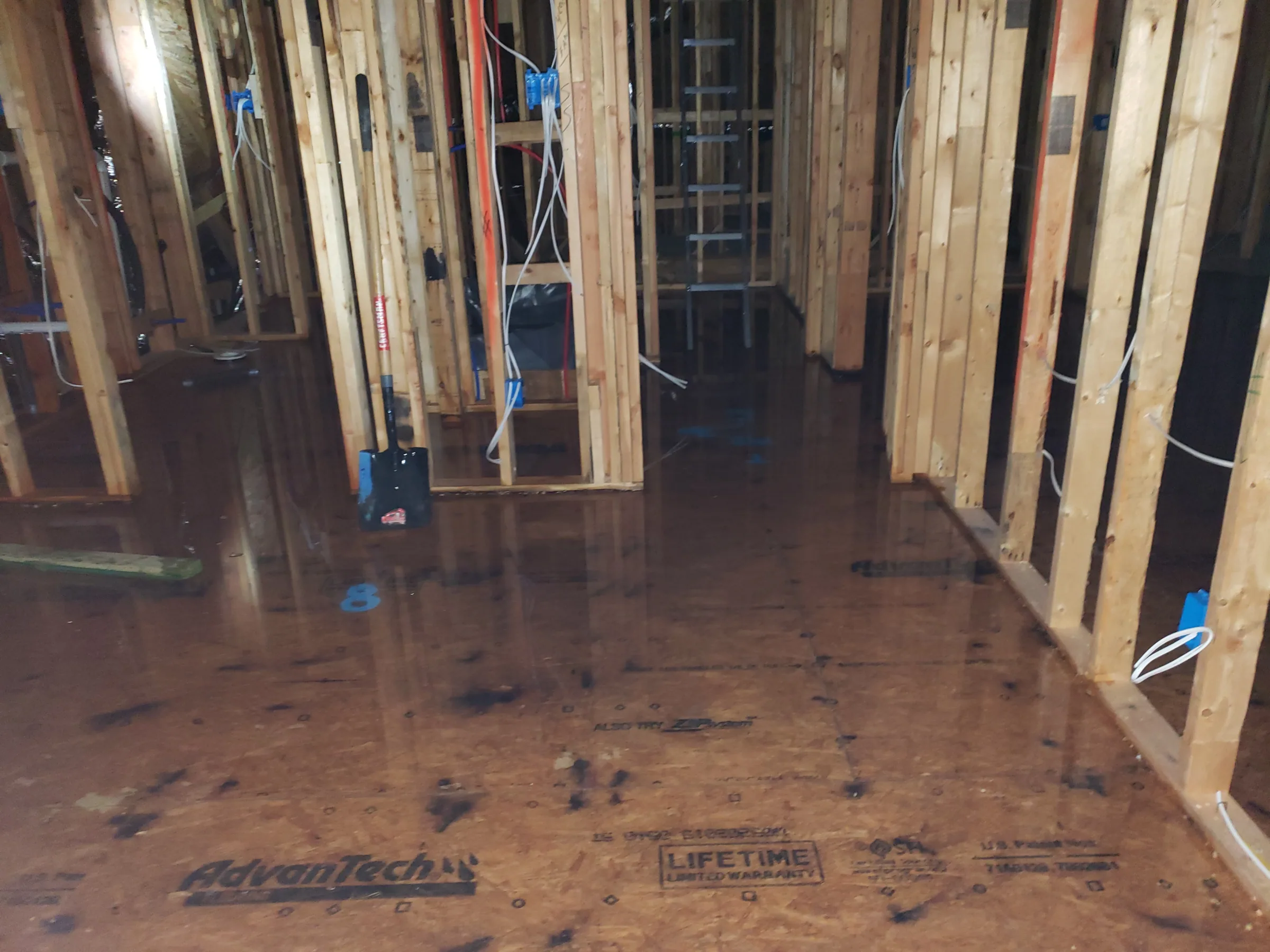
Framing is where a house stops being a drawing. It’s also the last moment when changes are still reasonable, which is why I want owners walking the frame with me while the structure is open. You can stand in the room and understand the ceiling height in a way no elevation communicates. You can see where the light actually falls in the afternoon. Moving a window while the wall is open is a conversation. Moving it after drywall, paint and trim is demolition, and everyone in the process pays for it in time as well as money.
Trees change a plan more than people expect. A mature oak worth keeping sets the house back, which moves the drive, which moves the drainage. I would rather redraw around a tree that will be shading the back porch in twenty years than take it out for the convenience of a rectangle.
Work from around here
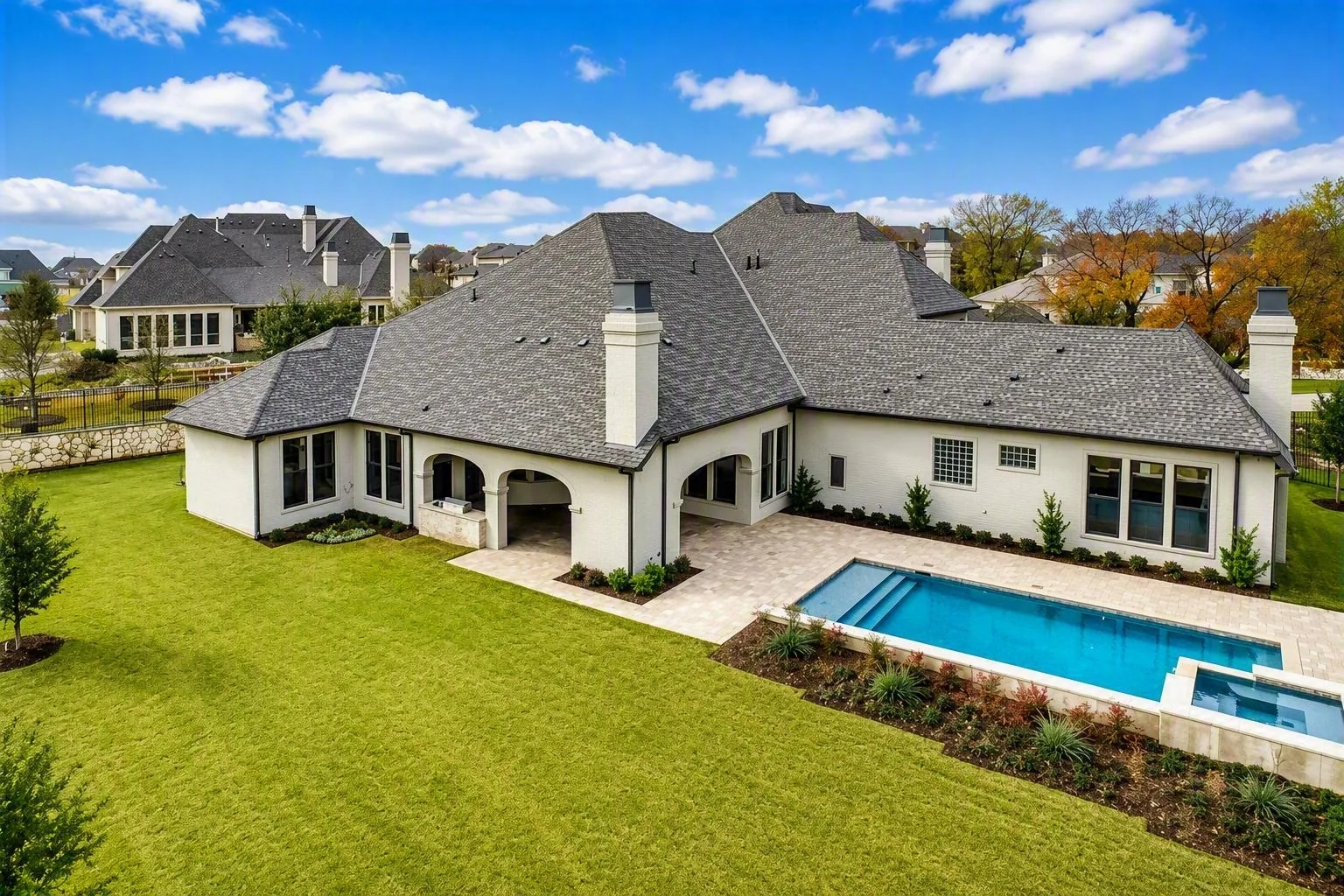
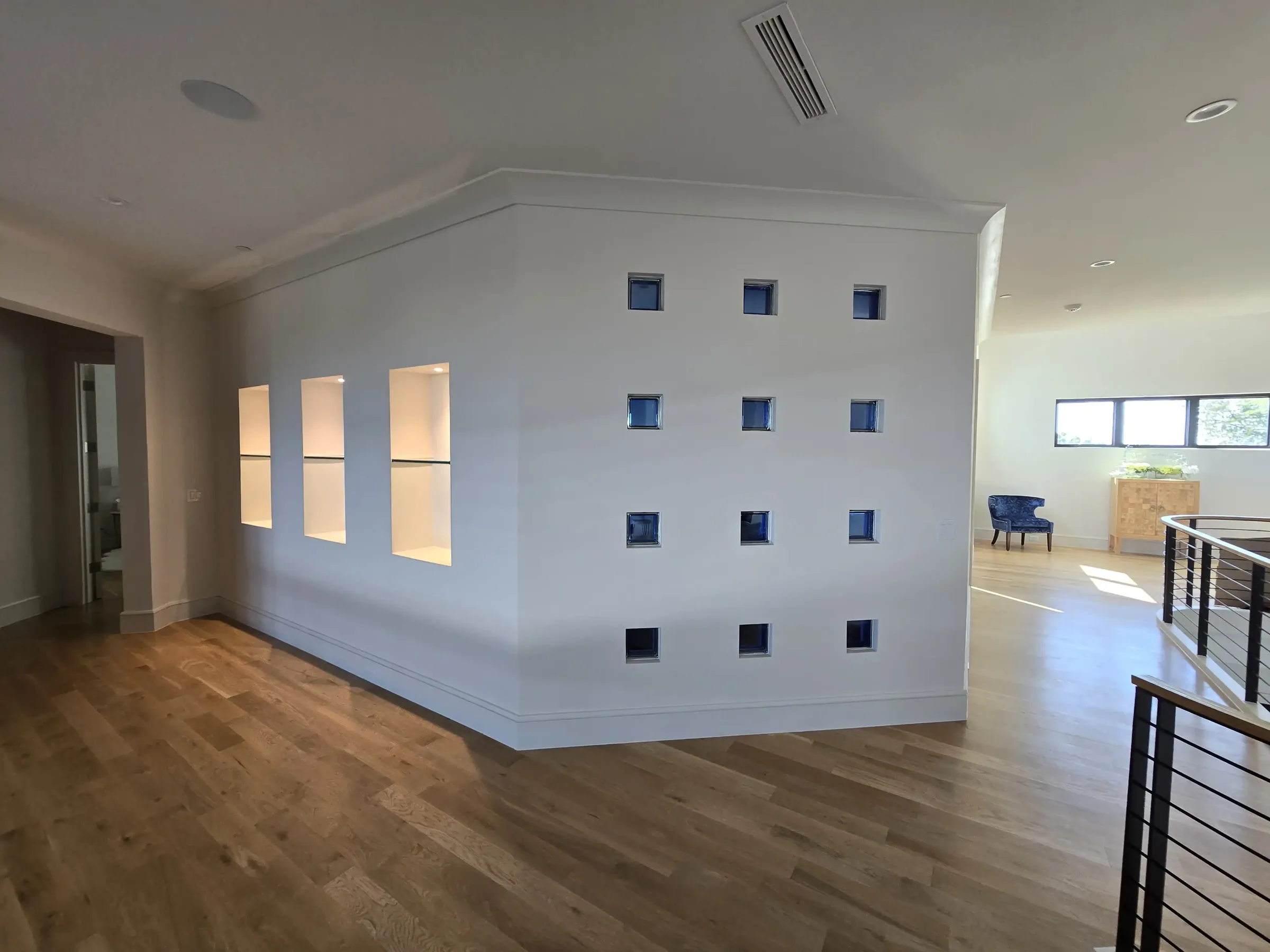

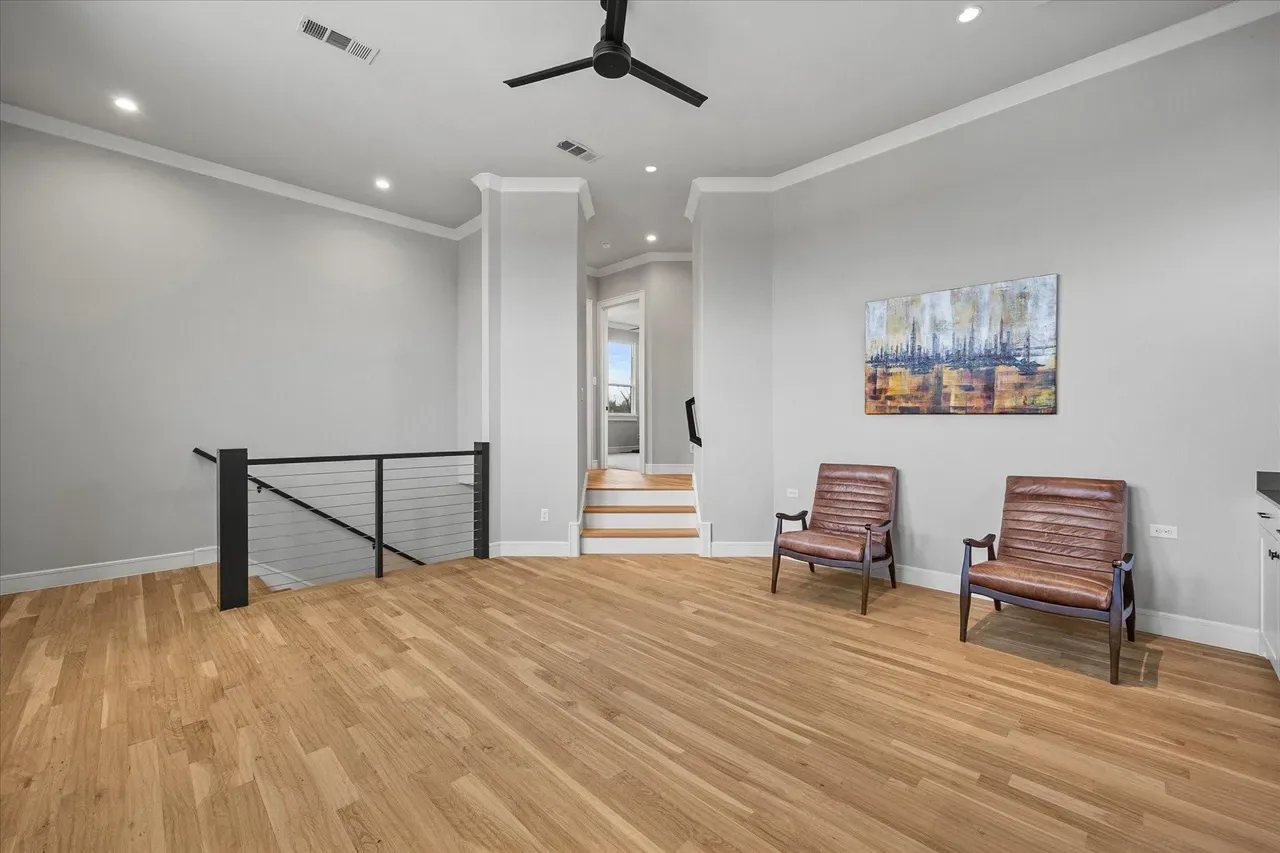

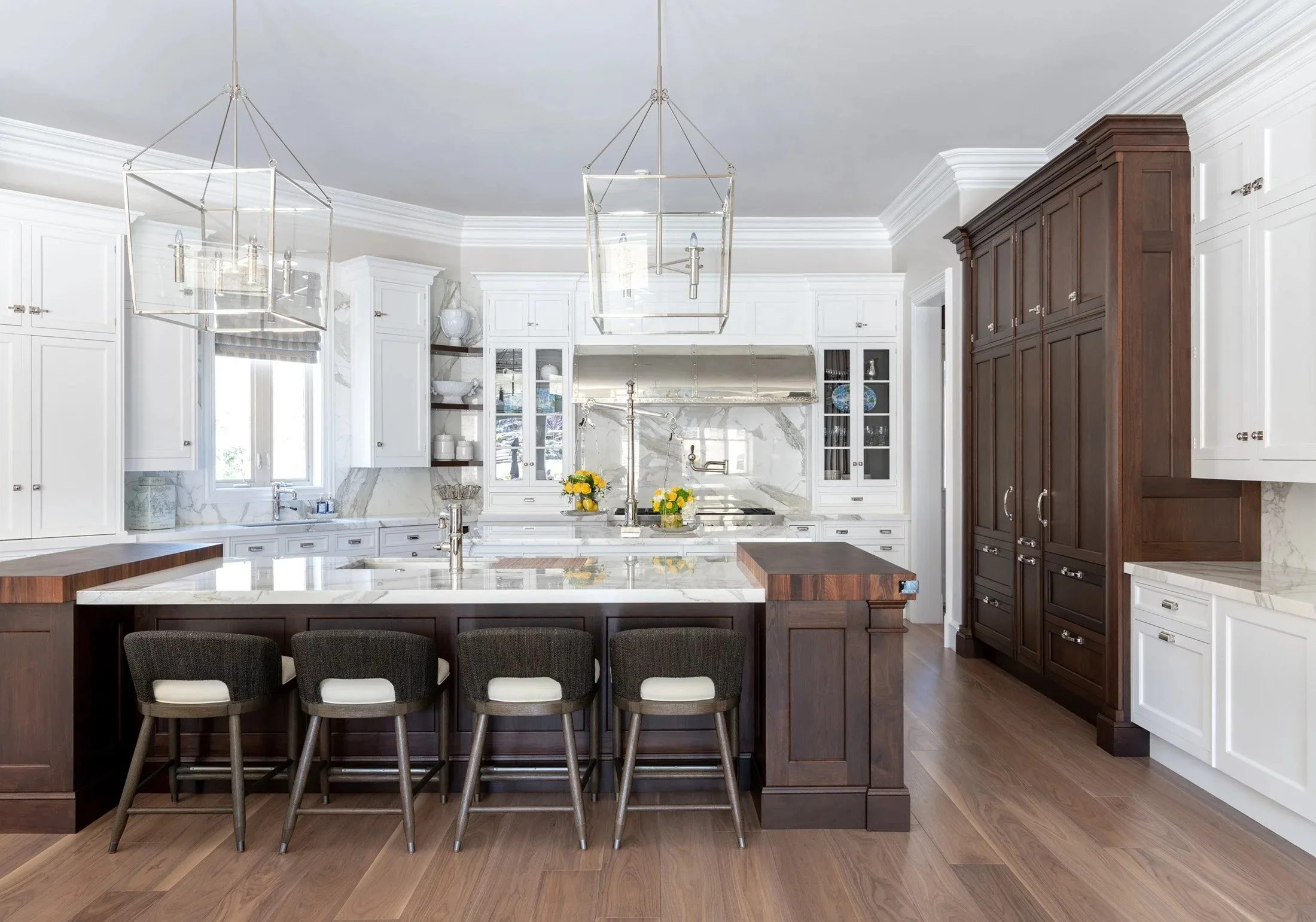
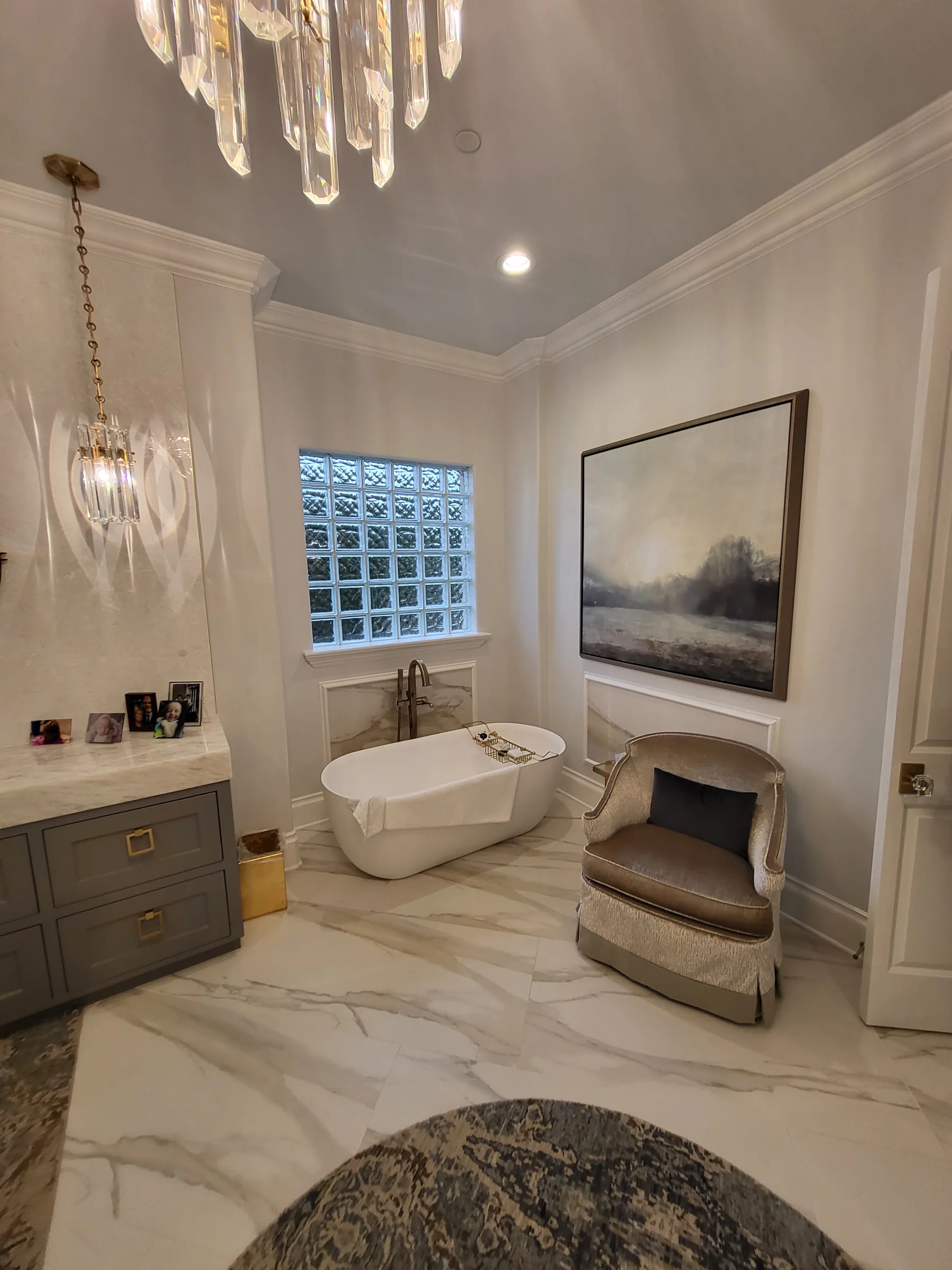
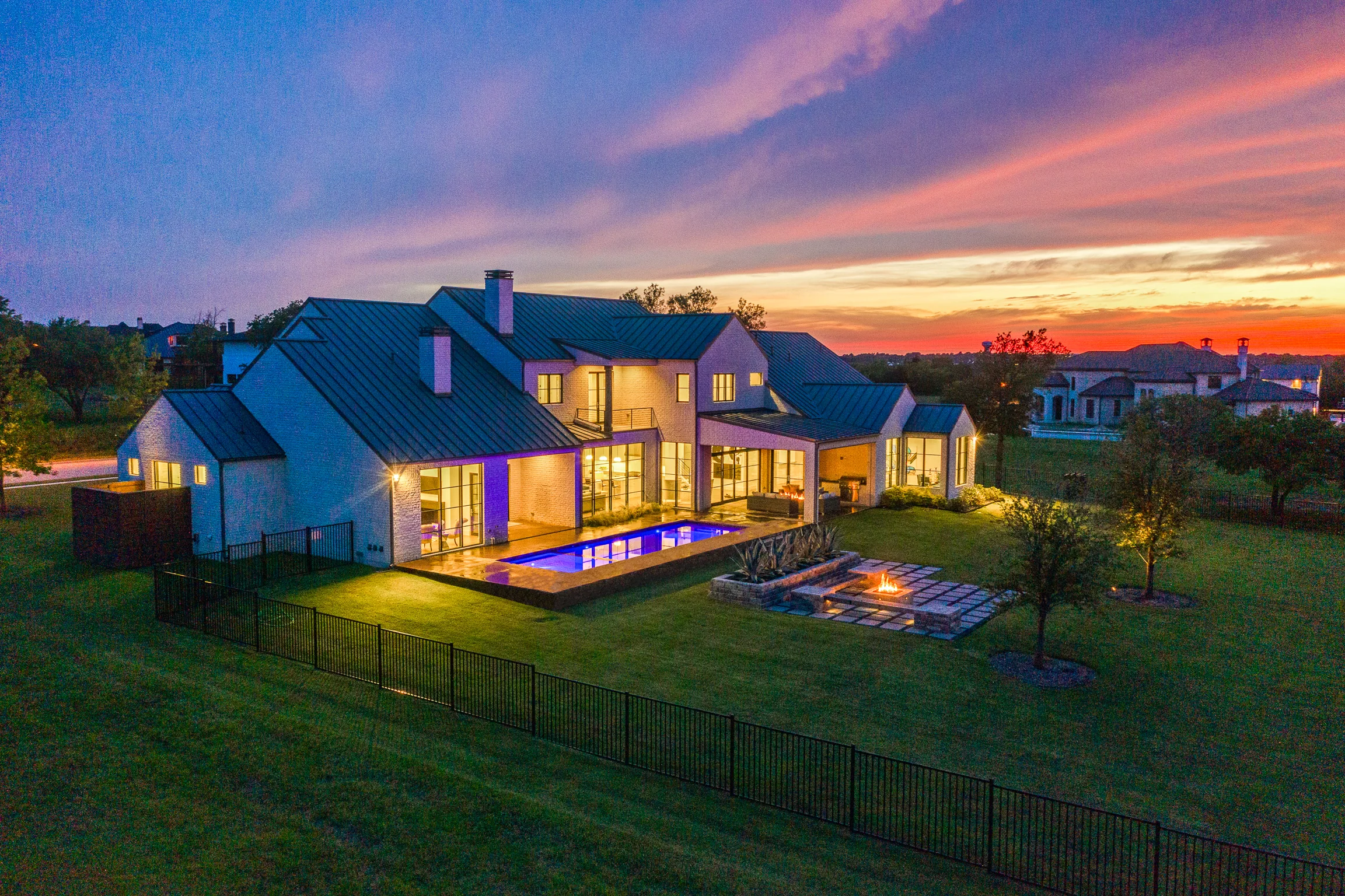
Each of these homes has its own gallery in the portfolio.
Grand Prairie and the rest of Dallas County

1The lot
First visit is boots on the dirt. I want to see where water goes in a hard rain, which trees are worth keeping and how a truck gets to the back of the property.
2The plan
This is where we decide the things that can't be undone later: where the house sits, which way it faces and how the rooms stack.
3The numbers
Site work, foundation, framing and finishes get priced as separate realities. You see where the money actually goes, including the parts nobody enjoys paying for.
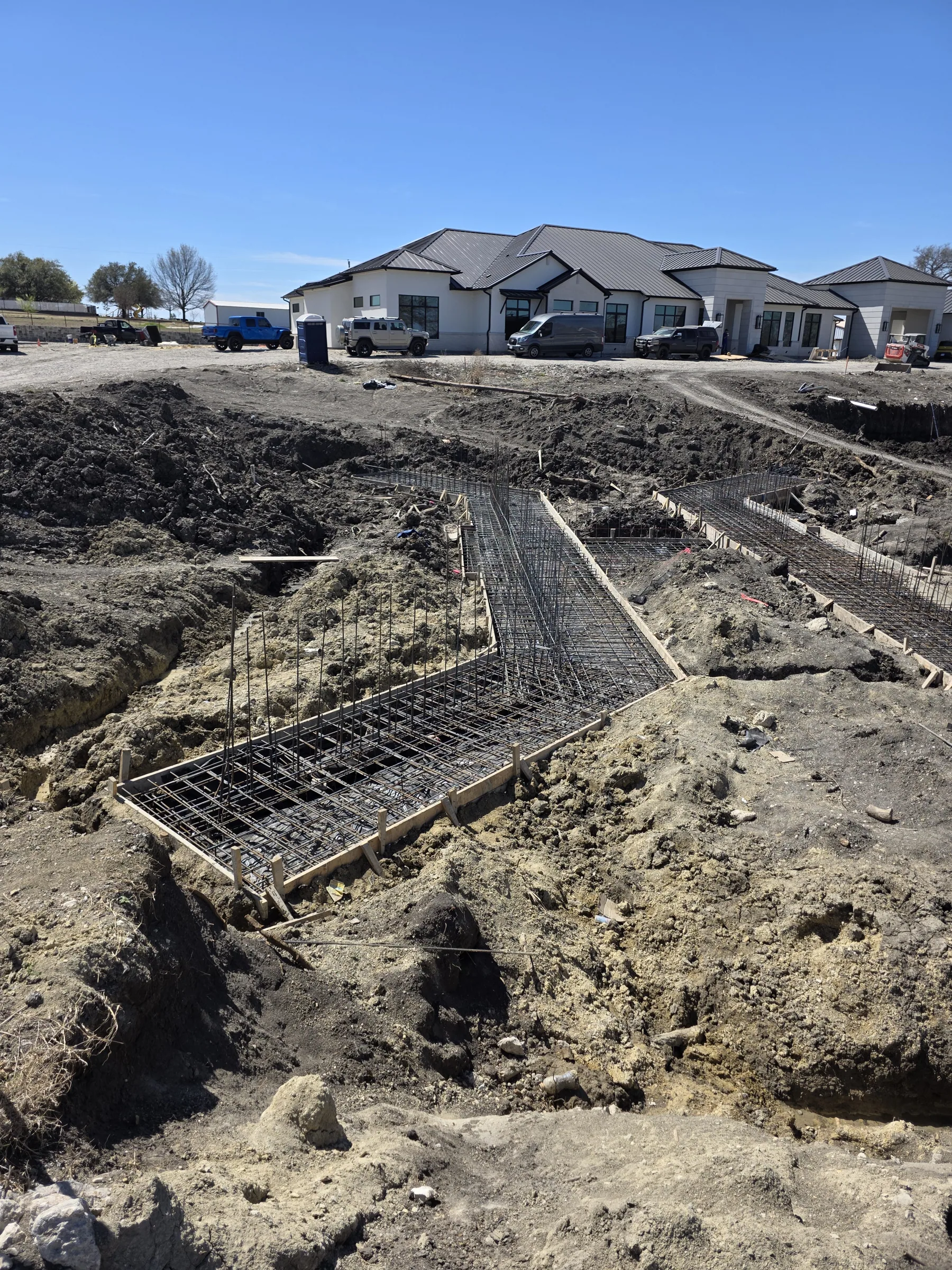
4The dirt
Clearing, cut and fill, drainage structures and the slab. Nothing here shows up in a photograph and all of it determines how the house ages.

5The frame
The skeleton goes up and suddenly the plan is a building. It's also the last cheap moment to move a window or raise a ceiling.

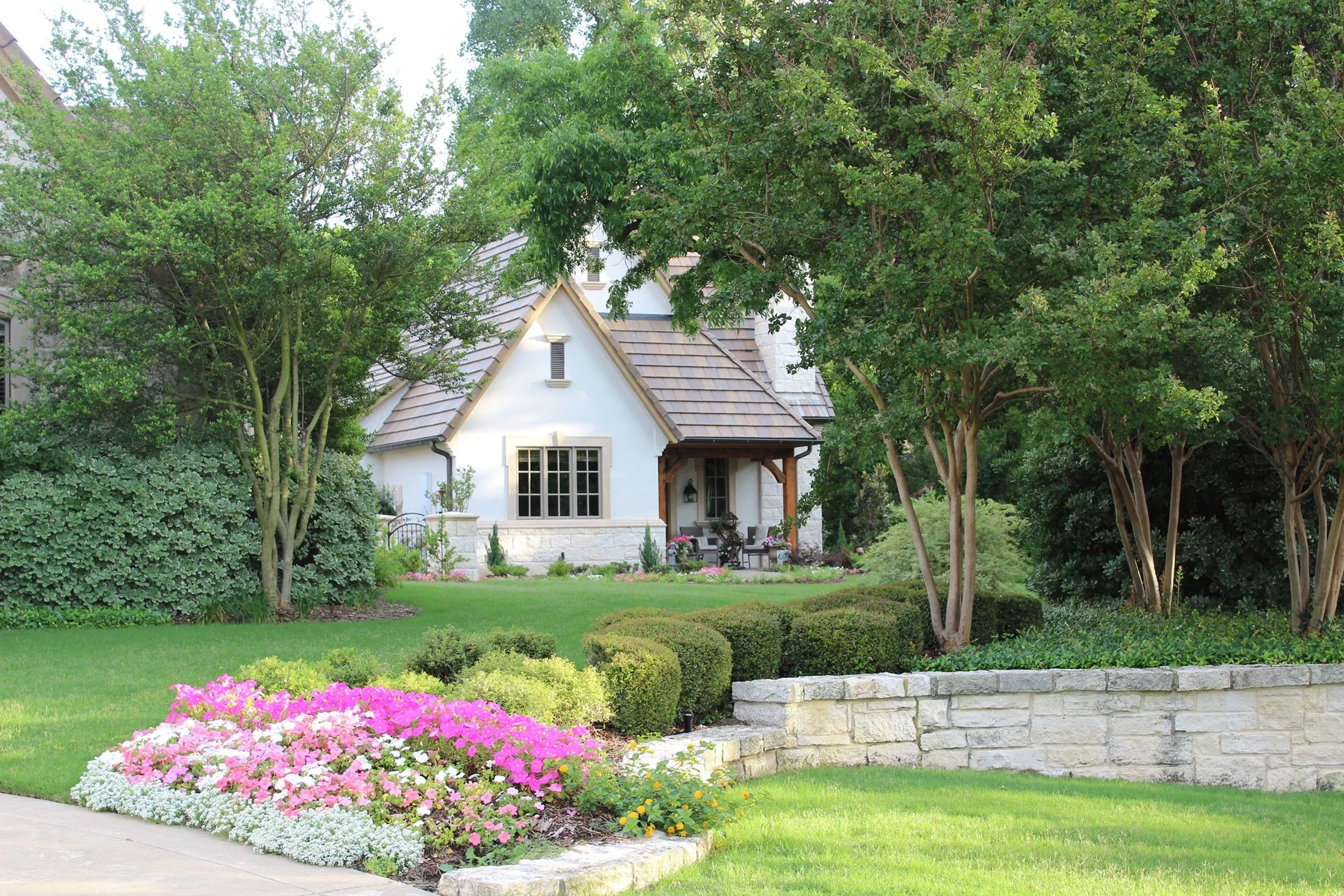
6The finish
Everything you'll actually put your hands on. It moves slowly on purpose, because rushed trim work shows for as long as the house stands.
7The keys
Walk-through, punch list, and a builder who still answers the phone afterward. One family has now brought me back for a fourth project. That only happens if the last one went right.
Come by whenever you like. The frame stage is the one worth planning a visit around, because it's the last point where moving something is cheap.
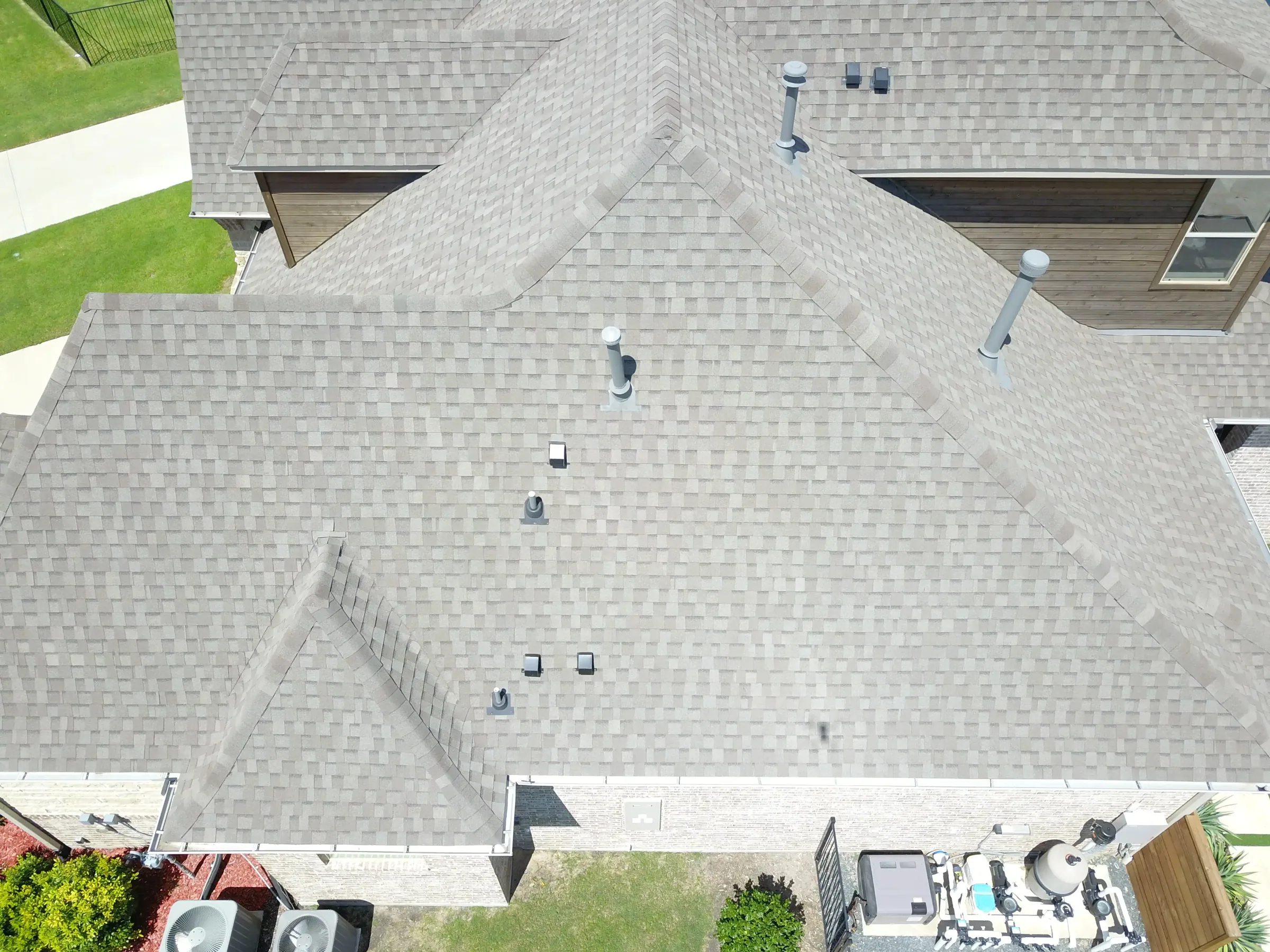
What the site tells you
Dirt, drainage and structure from real jobs. The unglamorous phase that decides the house.



Questions I get asked
Do you build in Grand Prairie?
Yes, and I have worked in and around Grand Prairie enough to know how the ground and the review process behave here.
What is different about building in Grand Prairie?
Lots where soil, drainage and orientation decide the foundation before anything else. That shapes the foundation and the footprint before anything else.
Do I need a lot first?
Not necessarily. I'd rather look at a lot with you before you buy it than inherit a site that fights the house you want.
How long will it take?
Ask me once I have seen the lot and the plans. I would rather give you an honest range for your build than a number off a brochure.
Do you handle the permits?
I do, including the architectural review some neighborhoods require before a shovel moves.
What happens if something goes wrong?
I bring it to you early, when it's still cheap to deal with, and I bring a plan with it.
Thinking about a build in Grand Prairie?
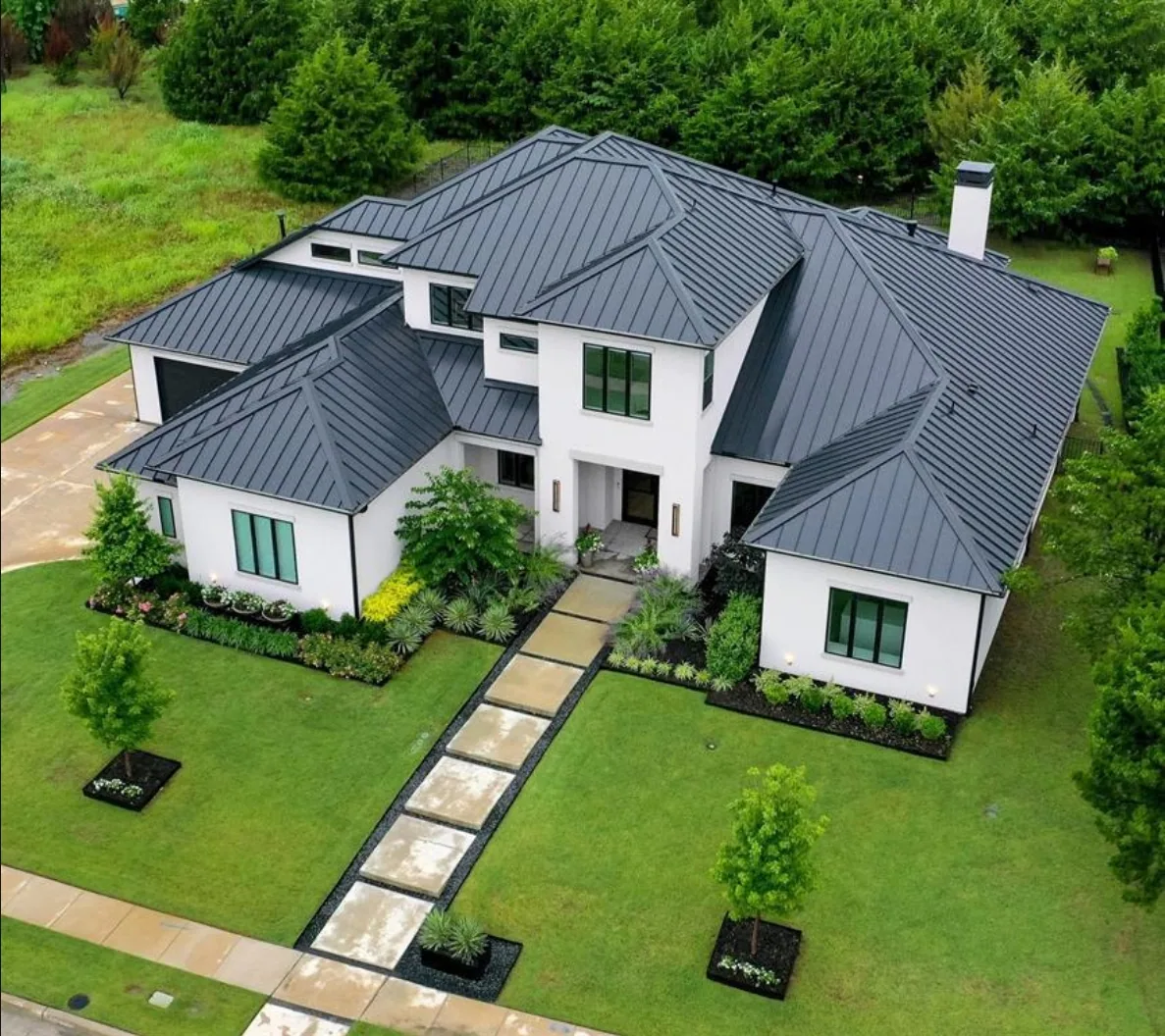
The Grand Prairie builds that go well start with a long first conversation. I'm glad to have it.