

McKinney’s custom home builder.
Historic-district lots with review requirements alongside newer acreage north of town.
Talk to Aaronor call (972) 528-5668
Building a house in McKinney
I don’t run more than a few McKinney builds at once. That’s on purpose.
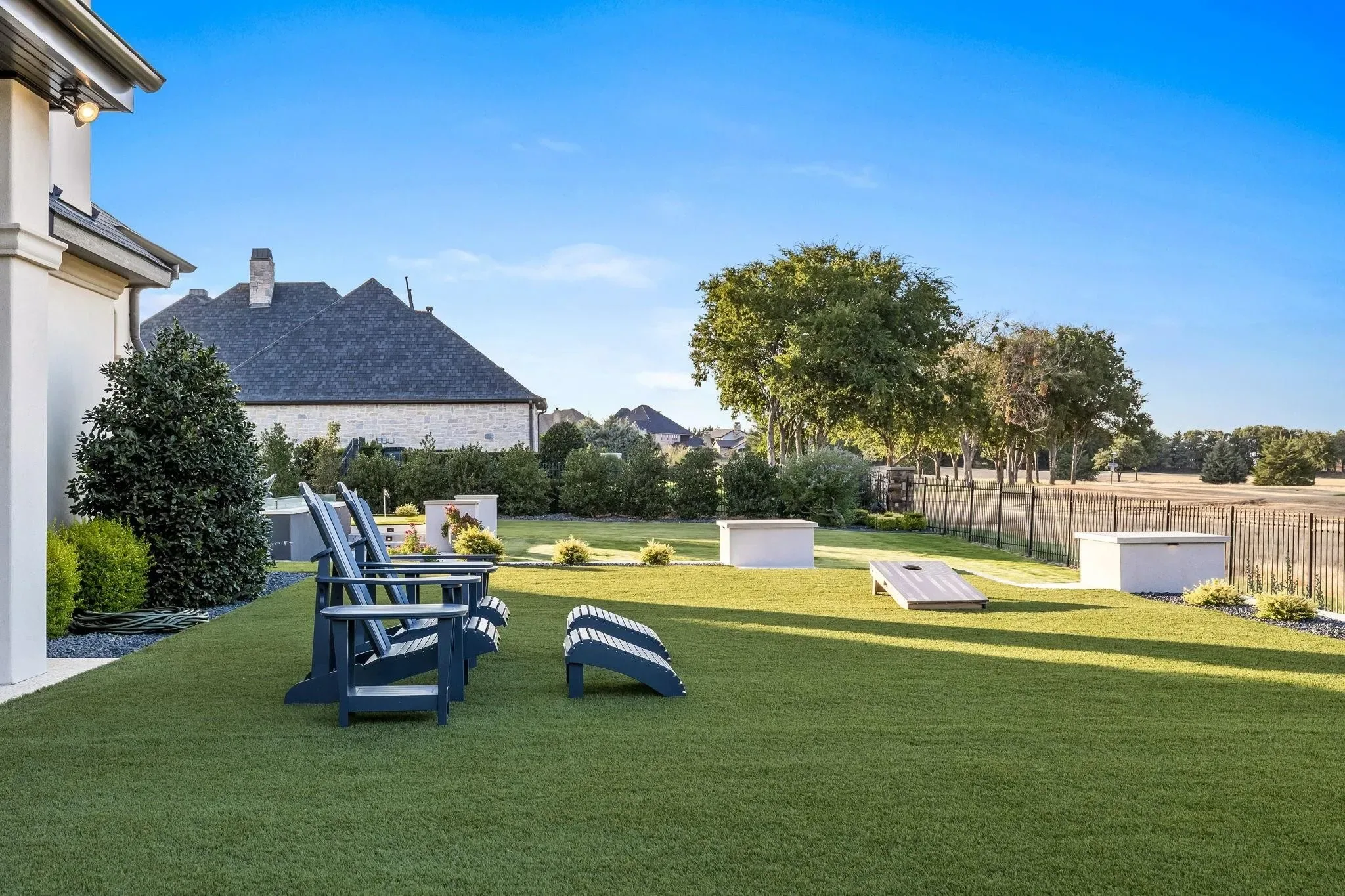
How the house sits on the lot decides morning light in the kitchen, afternoon heat on the back wall, and what you see from the room you’ll actually spend time in.
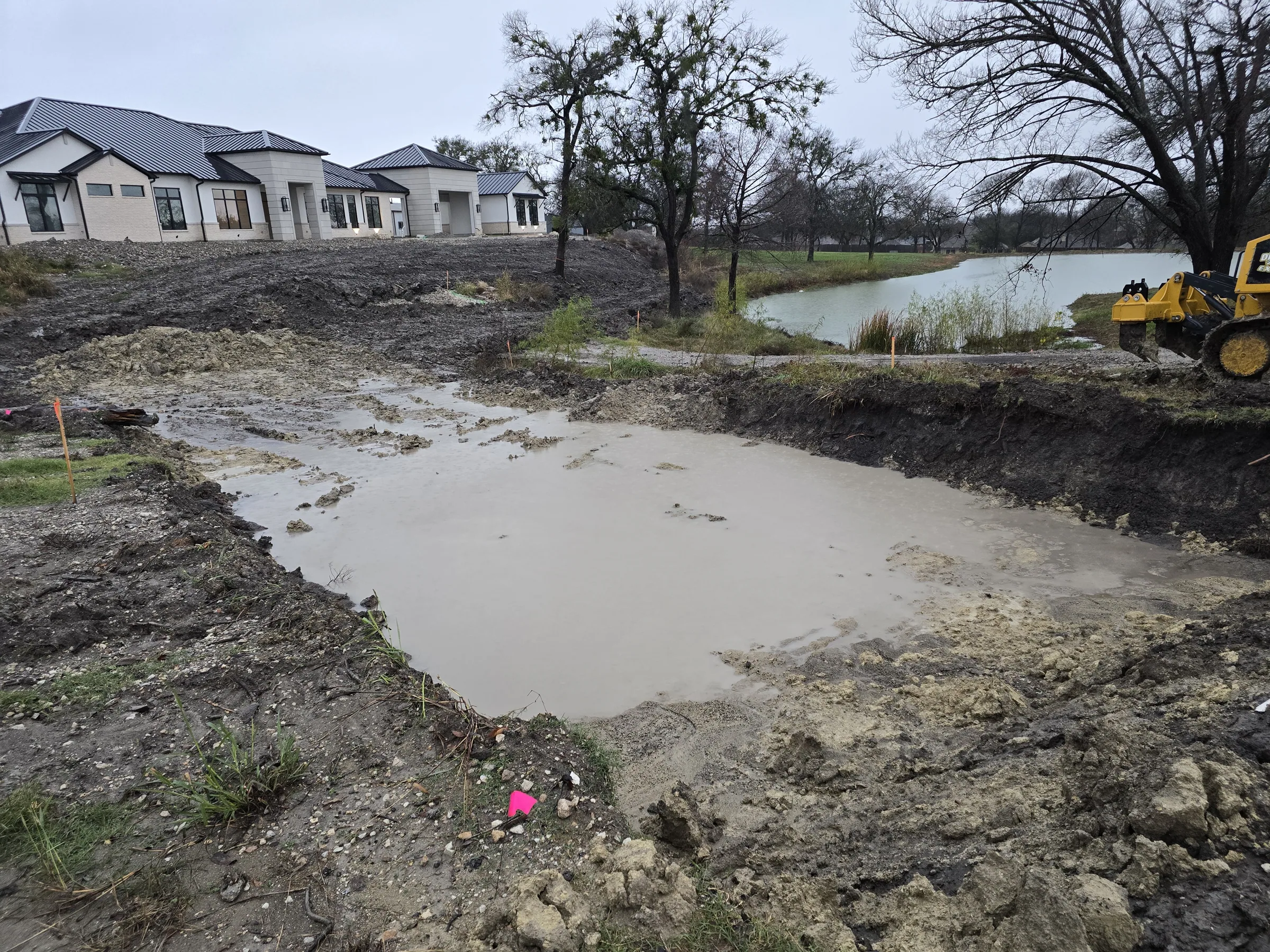
Weather is the variable nobody controls. A wet spring can cost weeks on dirt work before the pad is even ready, and there’s no version of the job where you pour a foundation into saturated ground and get away with it. I build float into the schedule for exactly this, and when it runs out I tell you rather than quietly compressing the finish phase to protect a date. A house rushed through trim and paint shows it for the next thirty years.

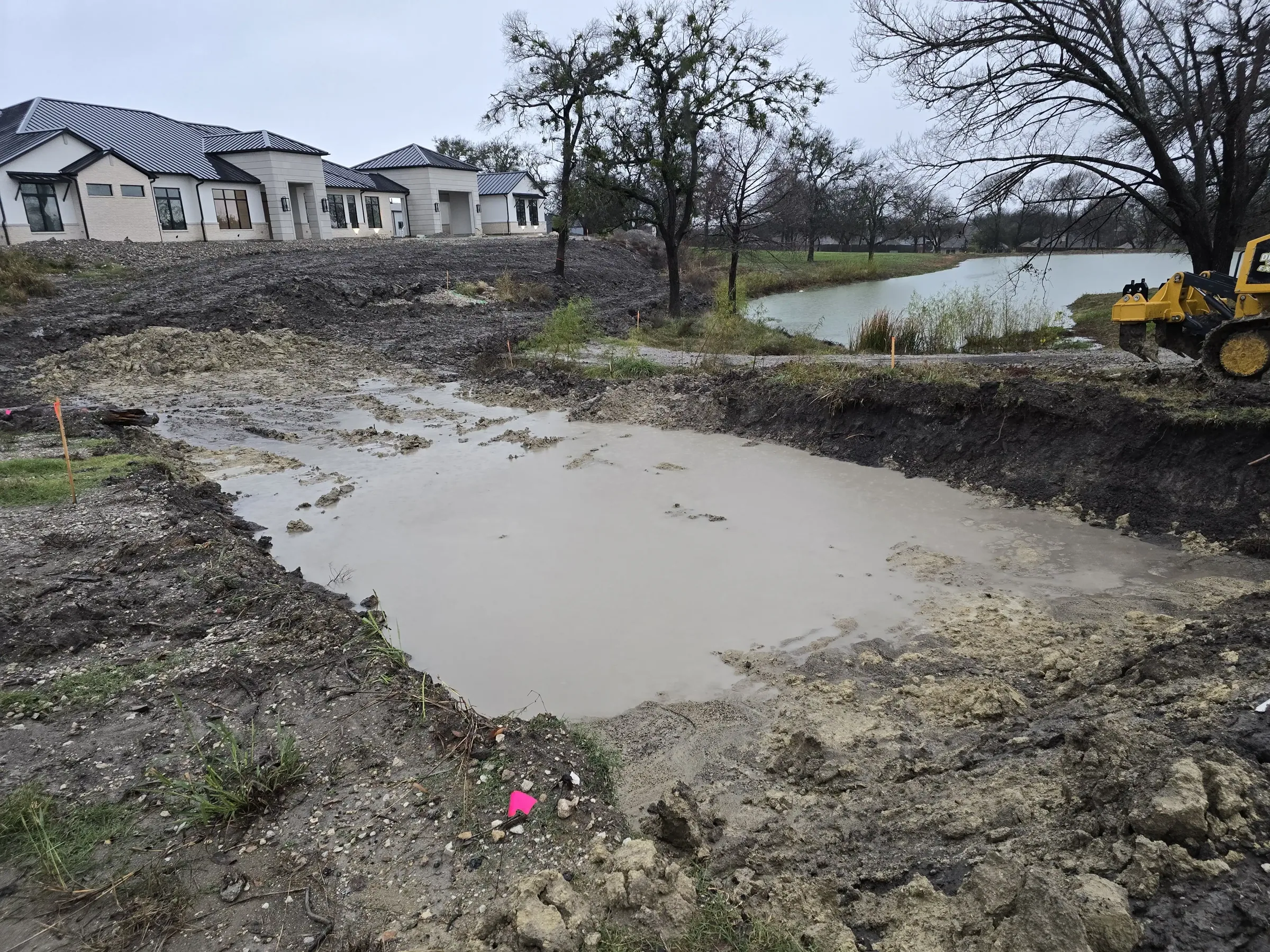
Clay soil in this part of Texas moves with the seasons. The foundation design isn’t a formality here, and neither is the drainage that keeps water away from it.
A custom home is a long relationship with whoever builds it. You’ll talk to me more in eighteen months than you talk to most people in your life, and a good portion of those conversations will be about things that didn’t go to plan. That’s normal. Weather moves, materials arrive damaged, an inspector reads something differently than expected. What matters is whether the person telling you has a plan attached to the news, and whether the same person is still answering the phone a year after you move in. One family has brought me back for a fourth project. That only happens if the earlier ones went right.
I will tell you about the mistake before you find it. That's the whole arrangement.
I have watched the alternative, and I’m not interested in it.
If I can’t do it right at the number, I will say so before we start instead of finding out together.
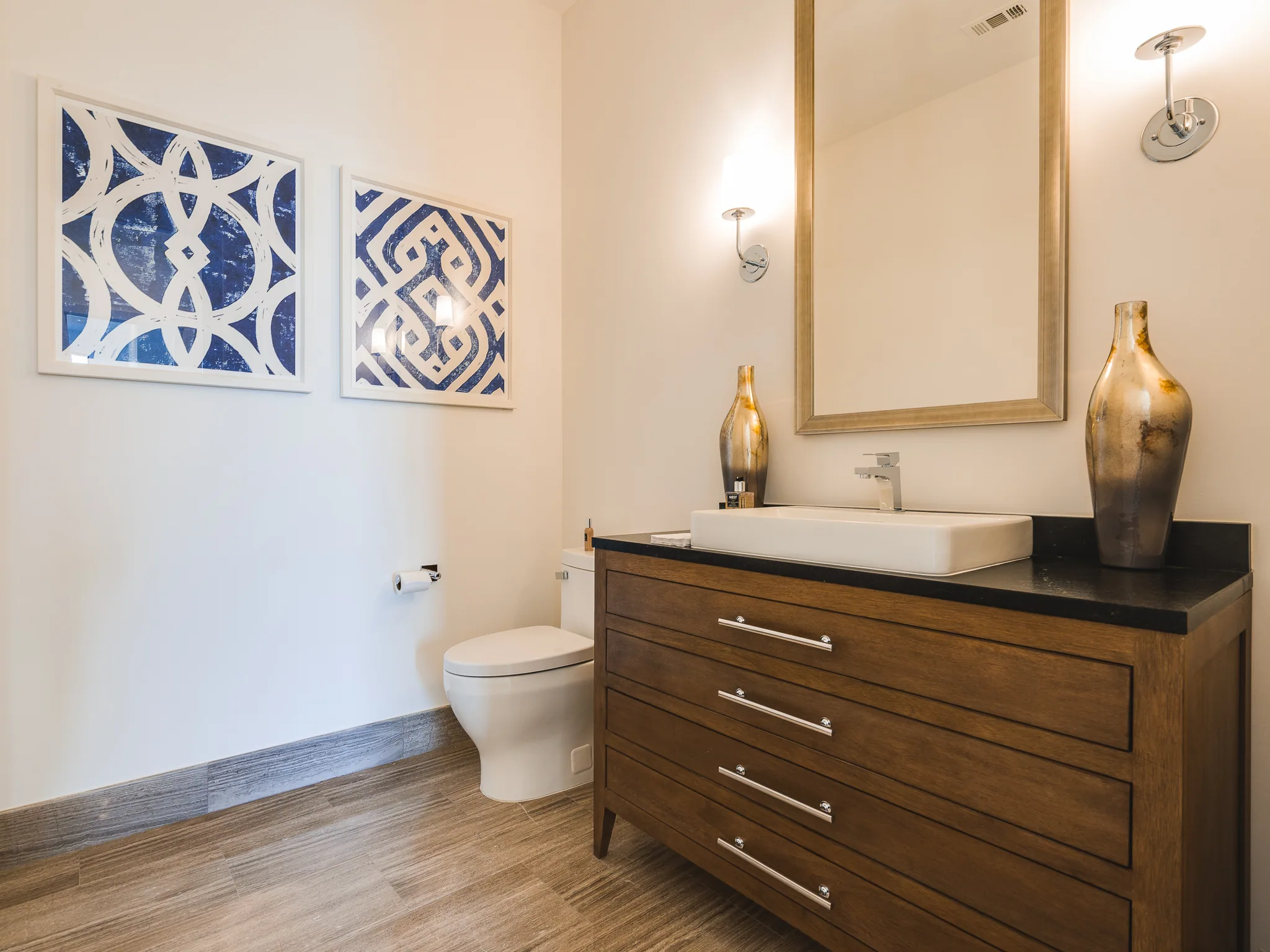
Most of what people think of as builder quality is really trade quality. The framer who keeps walls plumb, the plumber who thinks about access before he thinks about speed, the finish carpenter who cares what a return looks like from four feet away. I don’t rebid those relationships every job to shave a percentage point. The trades on my sites have been with me for years, they know the standard I’m going to hold them to, and they know I will pay them fairly to meet it. That isn’t sentiment. It’s the only reliable way I know to make good work repeatable.
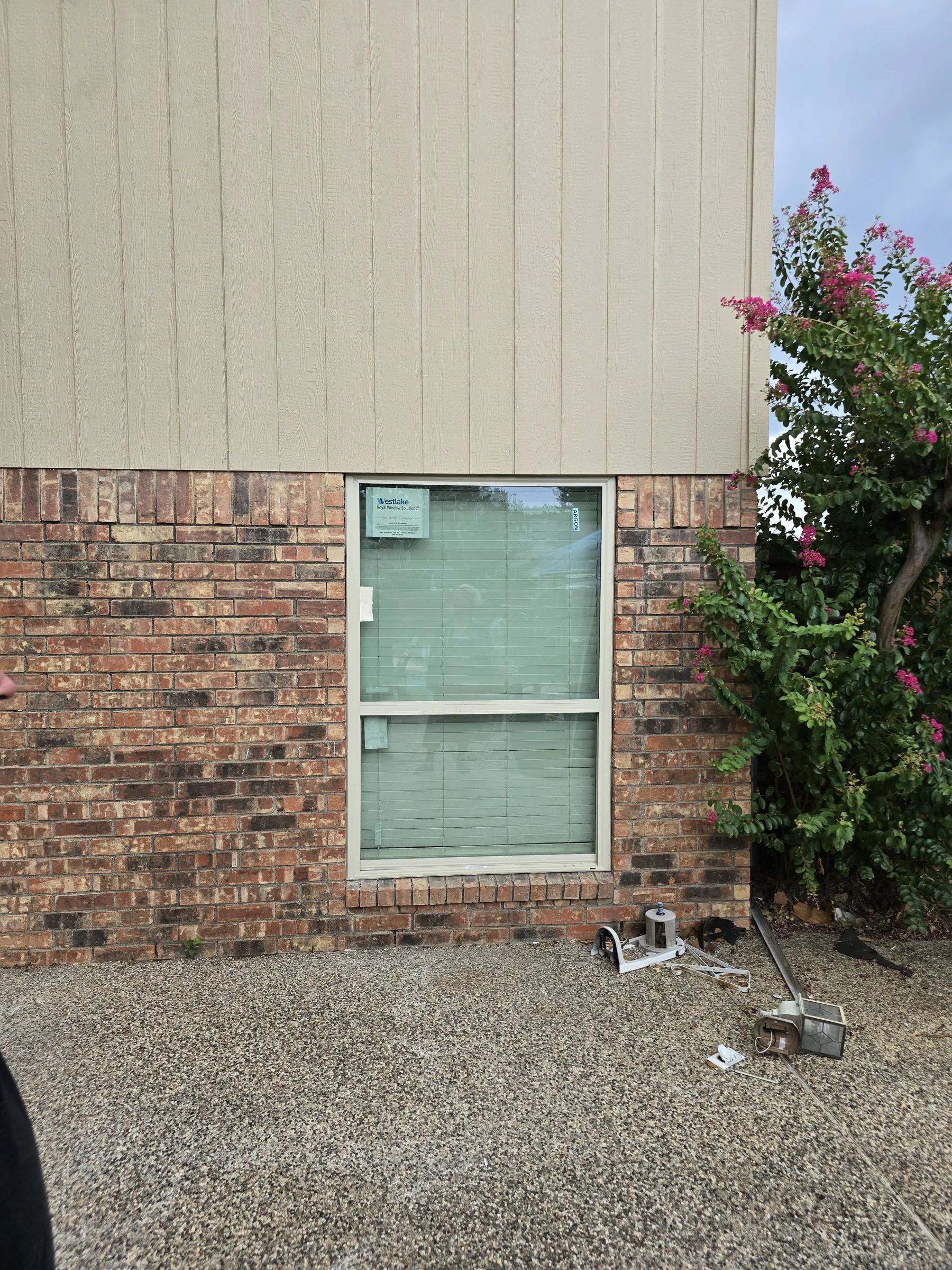
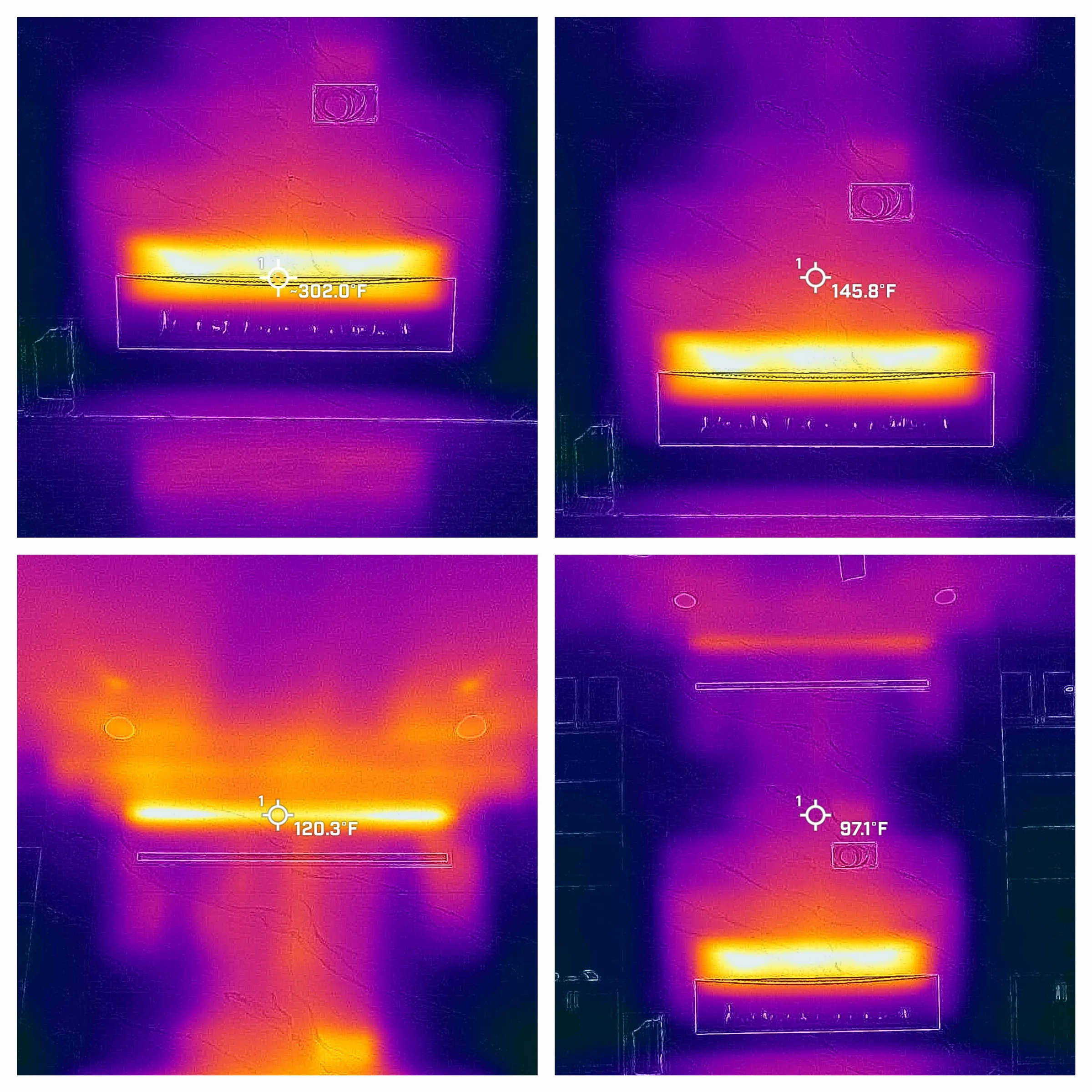
Energy performance is mostly decided in the walls, not the equipment. Insulation that’s actually installed to its rated value rather than stuffed around wiring, an air barrier that’s continuous instead of theoretical, windows specified for the elevation they sit on, and ductwork inside conditioned space where it belongs. I run thermal scans on my jobs because a camera finds a gap that a walk-through never will. A house built tight and ventilated correctly is quieter, more comfortable in August, and cheaper to run for as long as it stands.
Neighborhood review adds weeks that do not show up on any construction schedule. Some committees meet monthly and some meet when they feel like it, and until they sign off you are not pulling a permit. I ask about that in the first conversation because it decides when we can realistically break ground.
Work from around here
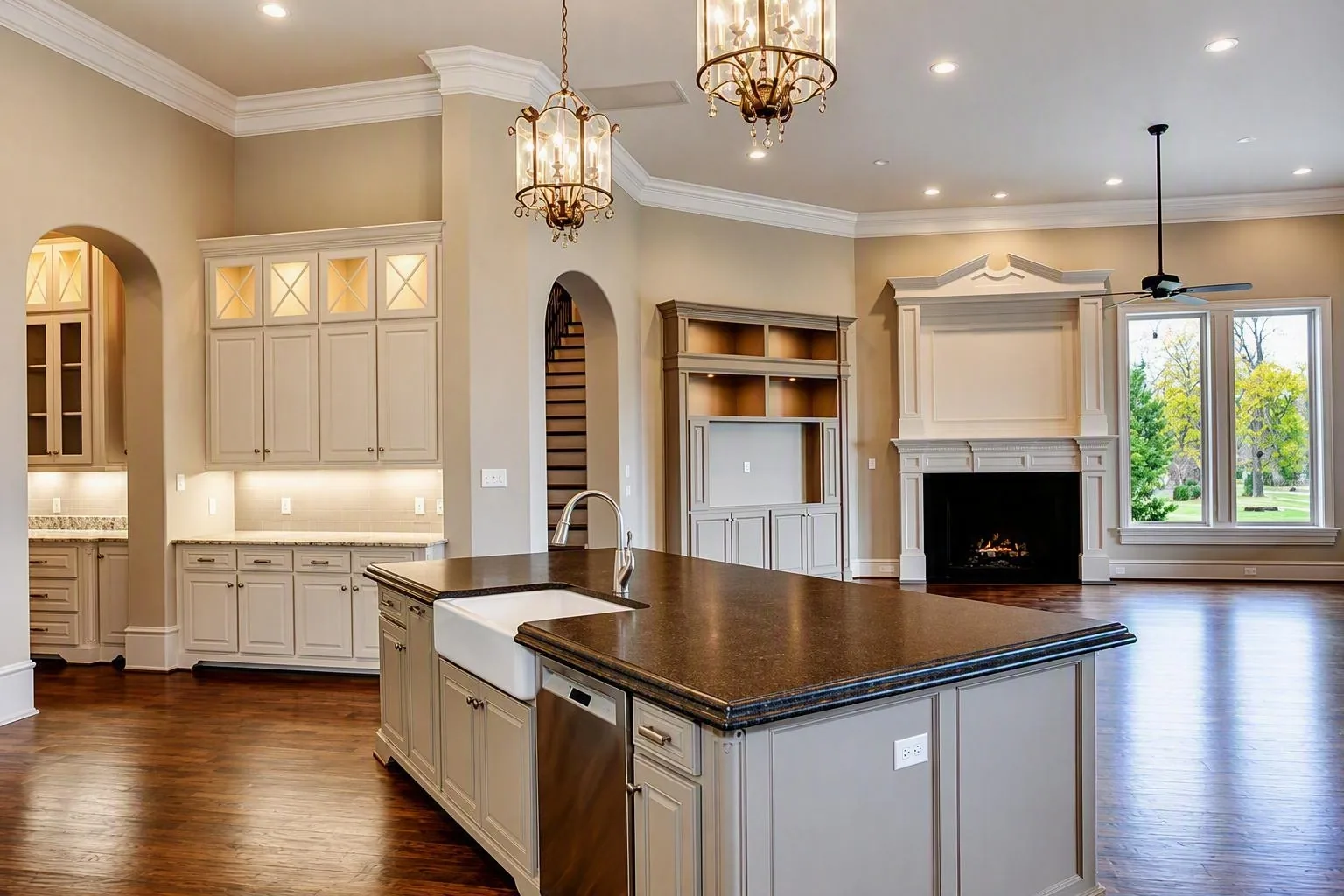
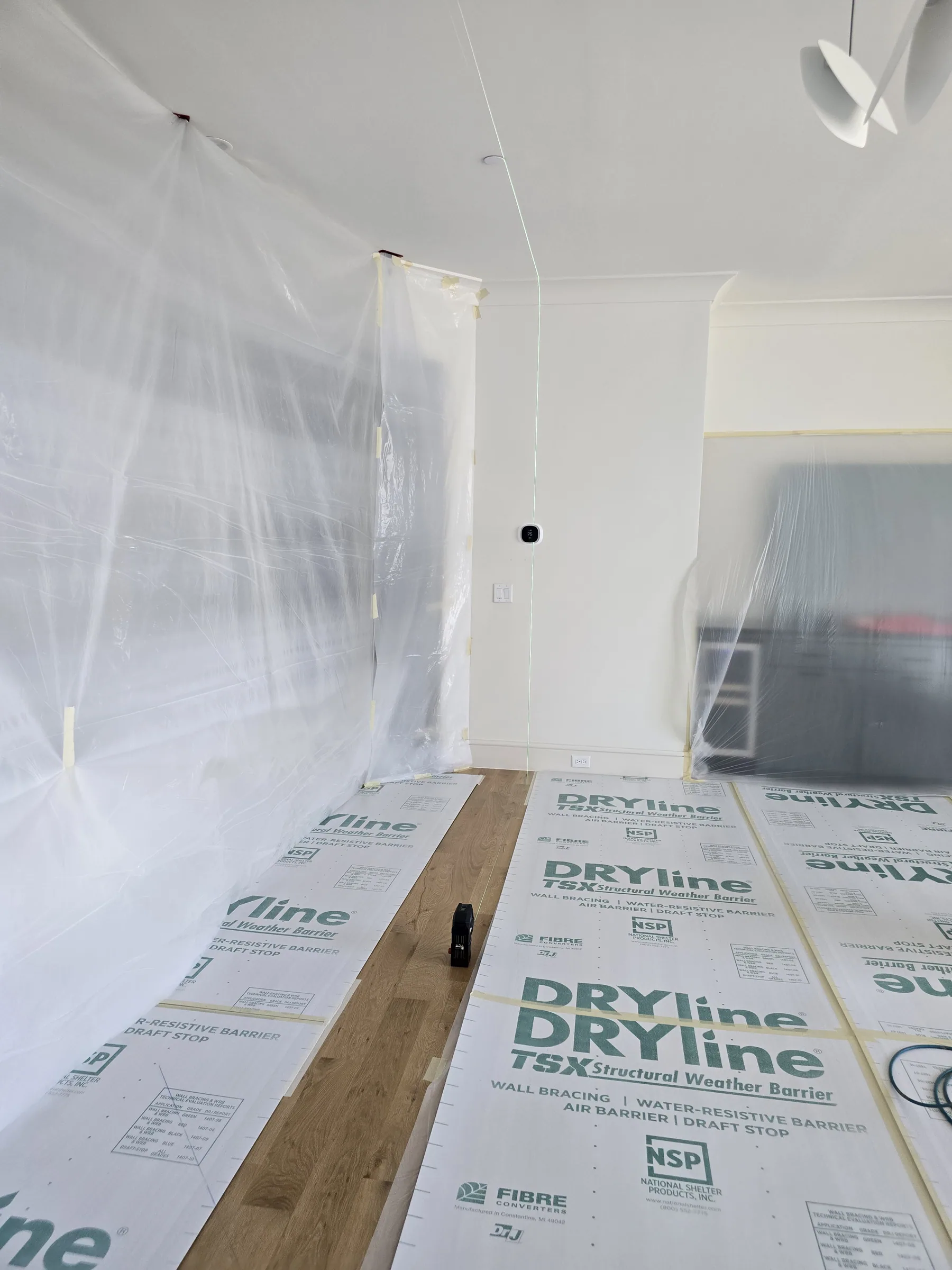
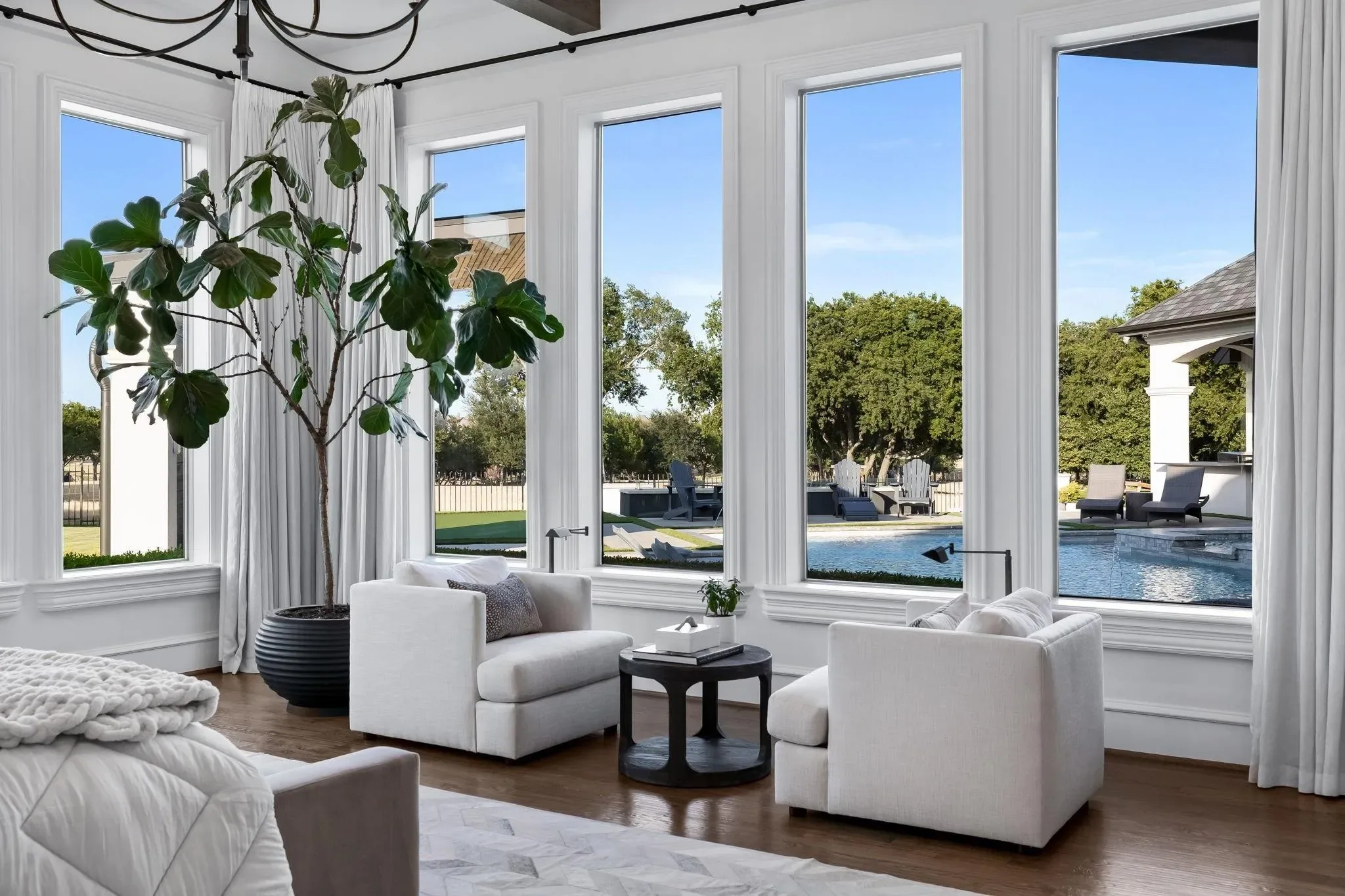

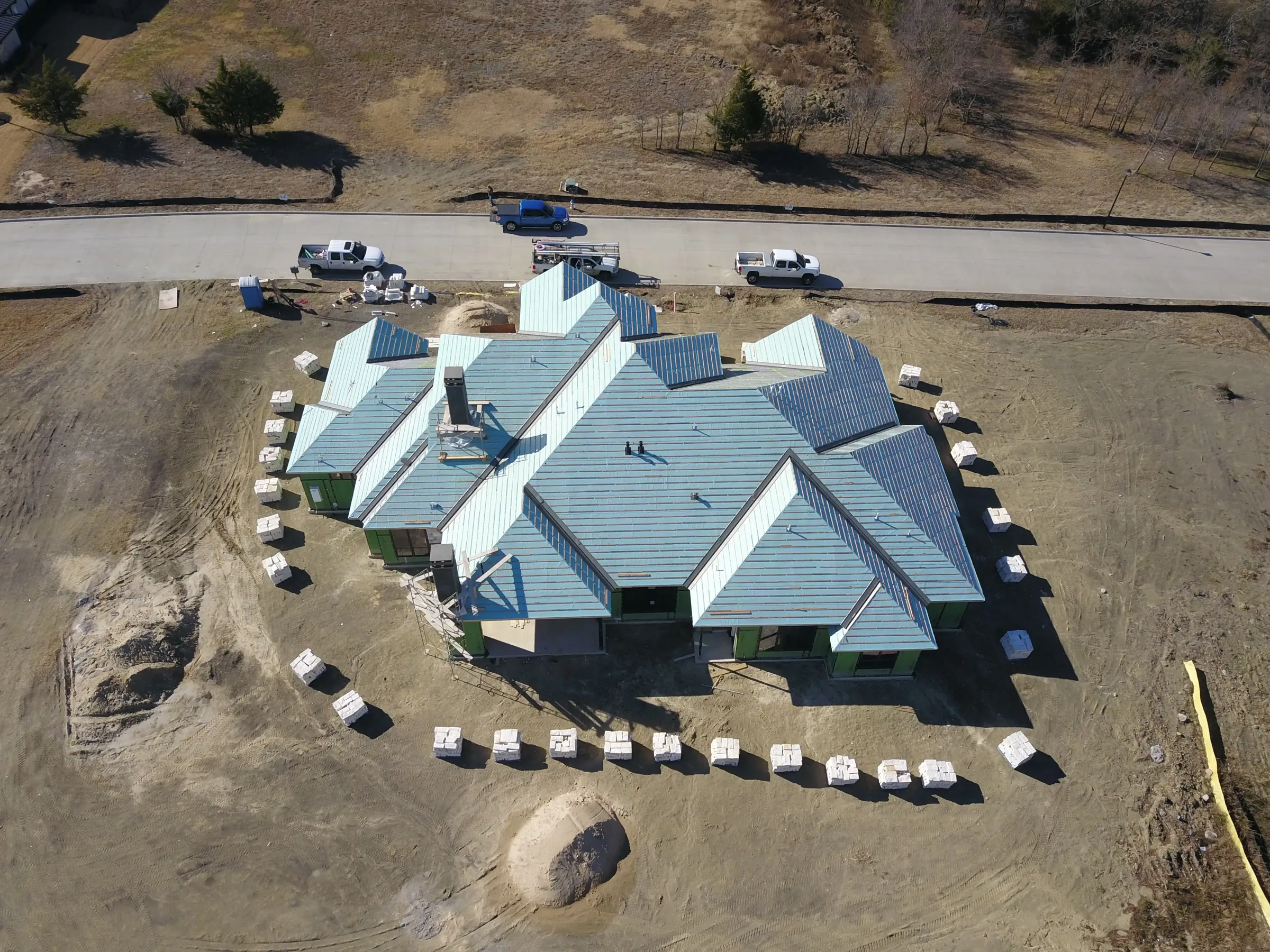
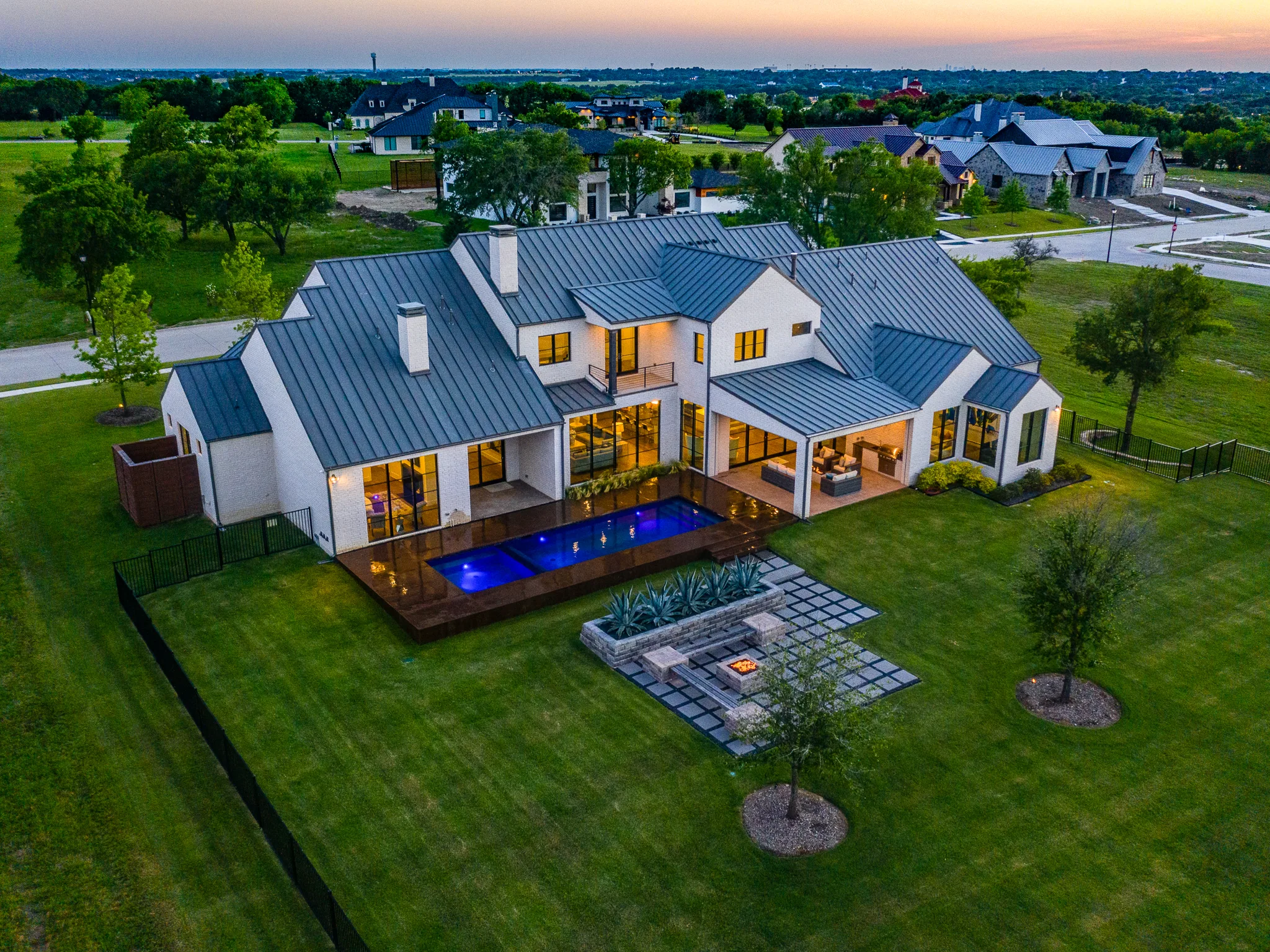
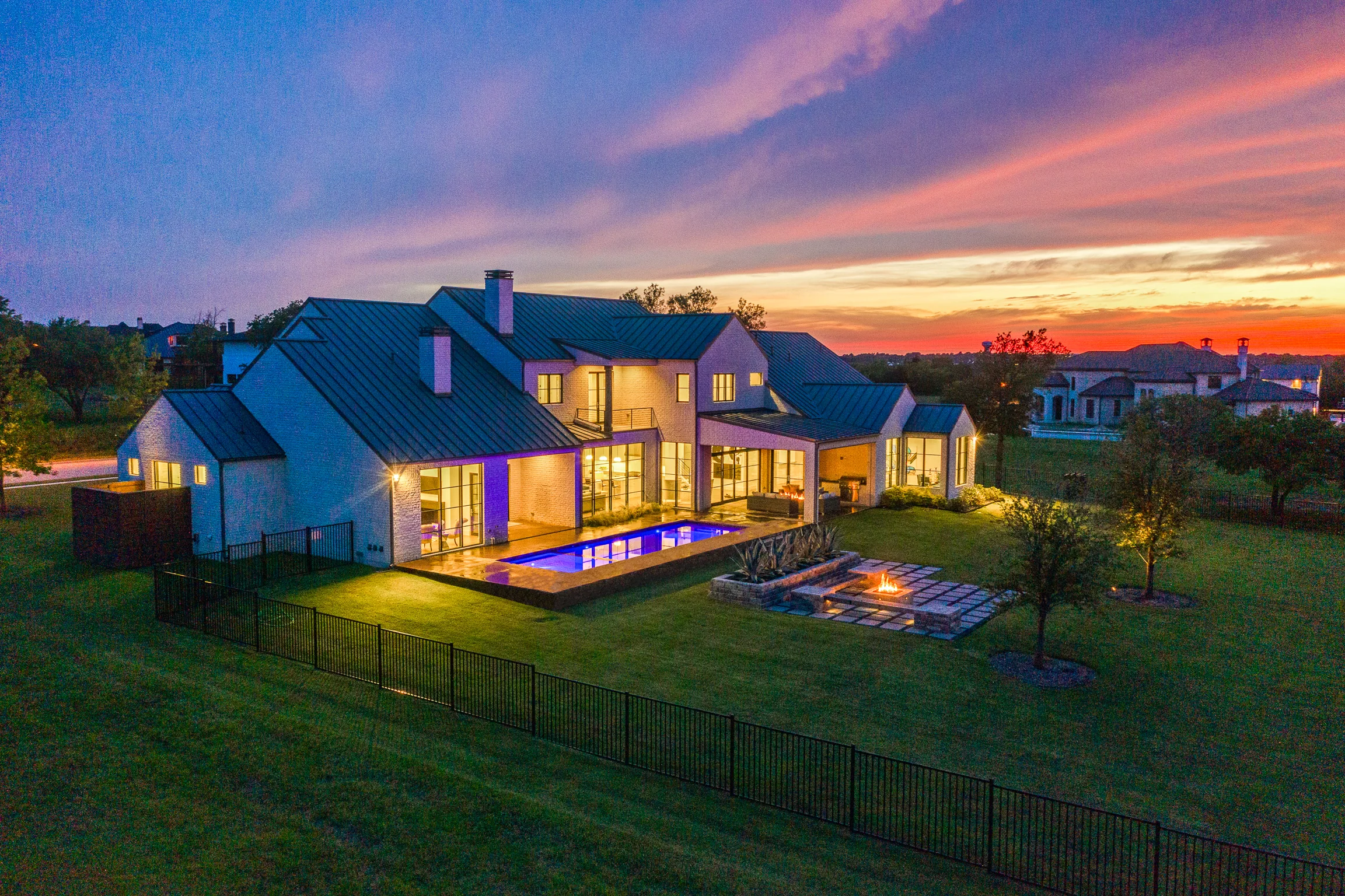
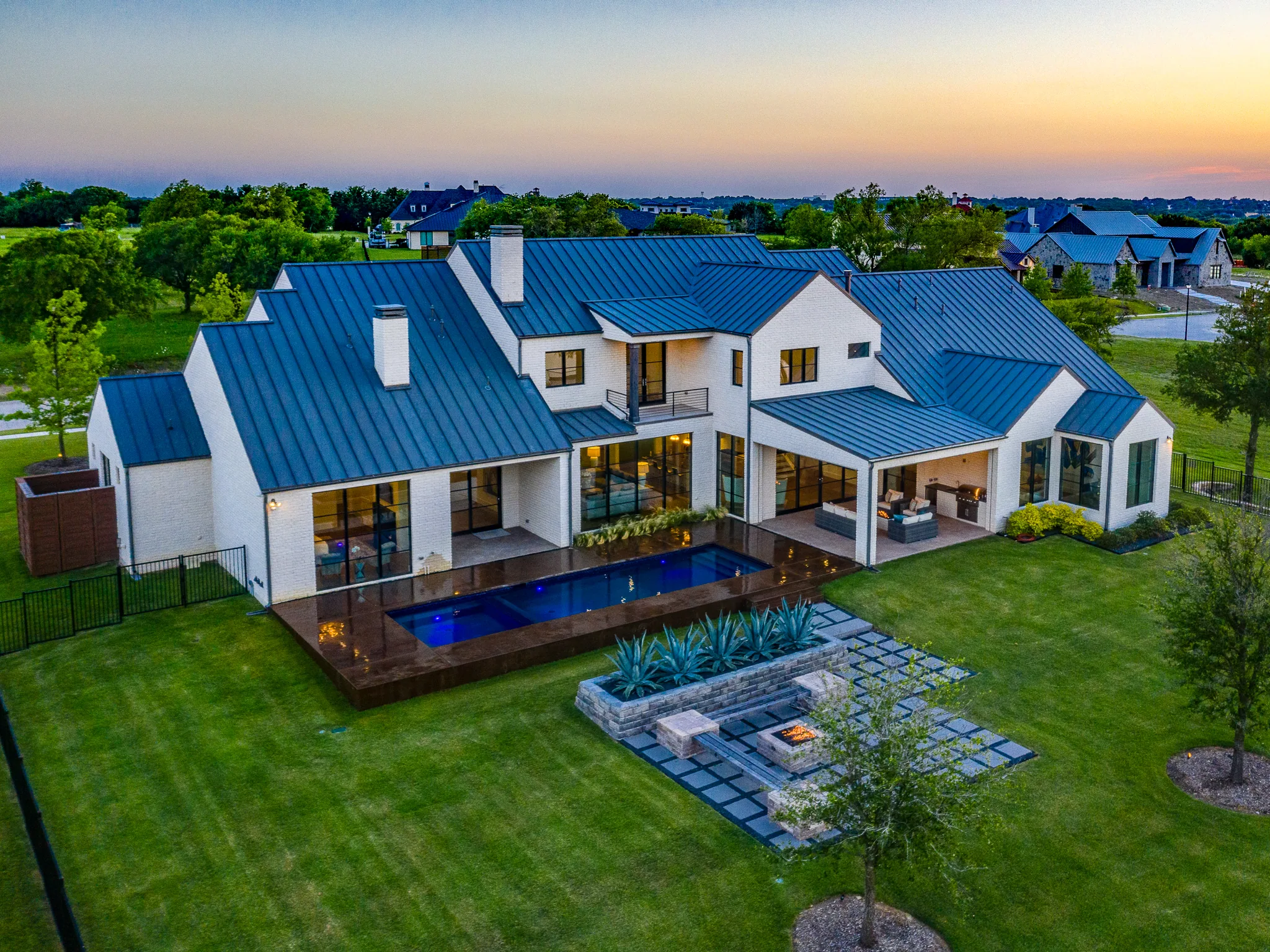
Each of these homes has its own gallery in the portfolio.
McKinney and the rest of Collin County
1The lot
We walk it together. Grade, drainage, trees, access, where the sun comes from. I tell you what the site will and won't allow before anyone draws a plan.

2The plan
Design happens against the real site, not a generic rectangle. You see the envelope, the constraints and the honest cost of the choices that are hard to reverse.
3The numbers
You get a breakdown you can actually read, with the unglamorous items priced rather than buried in an allowance nobody explains.
4The dirt
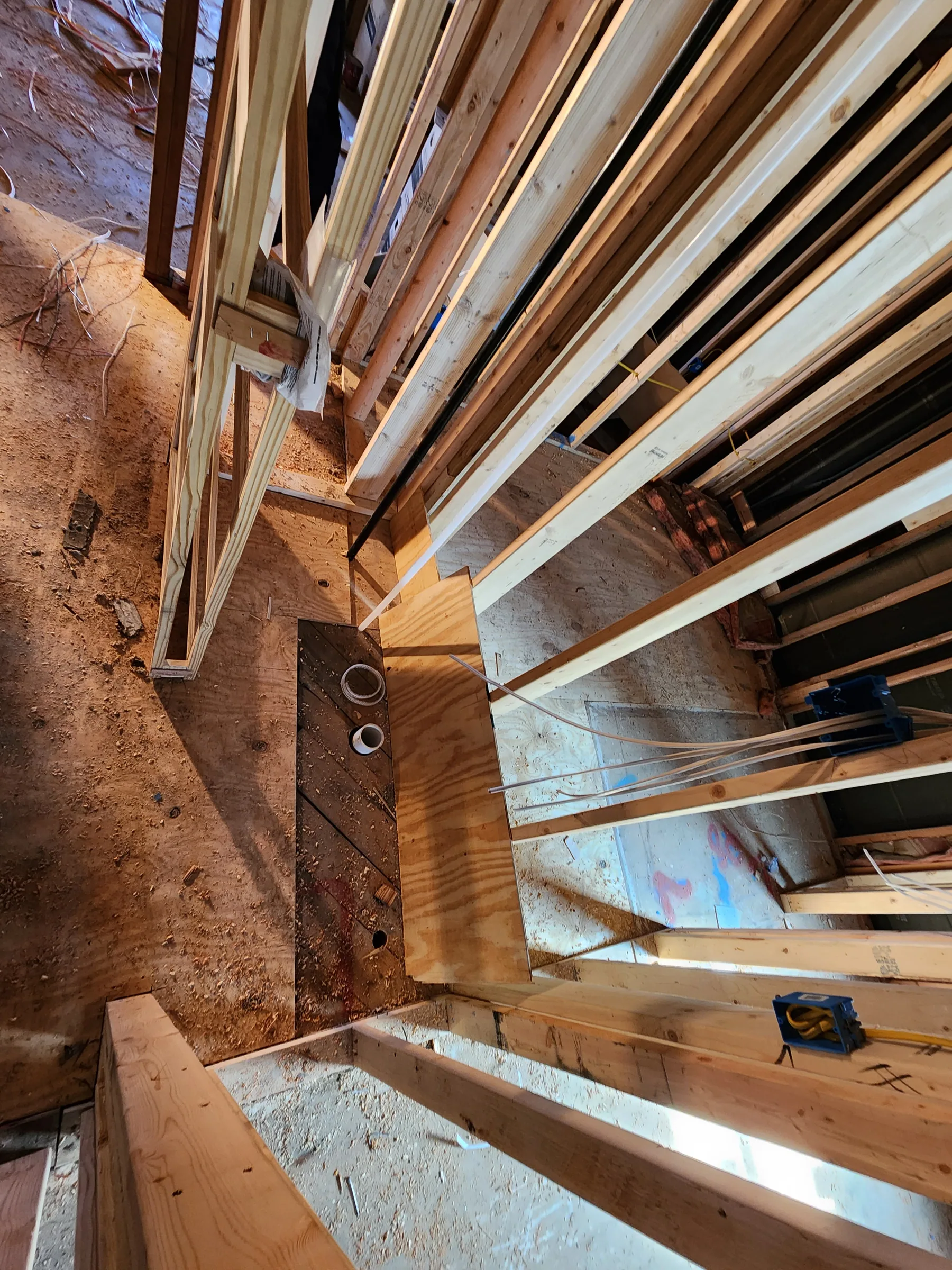
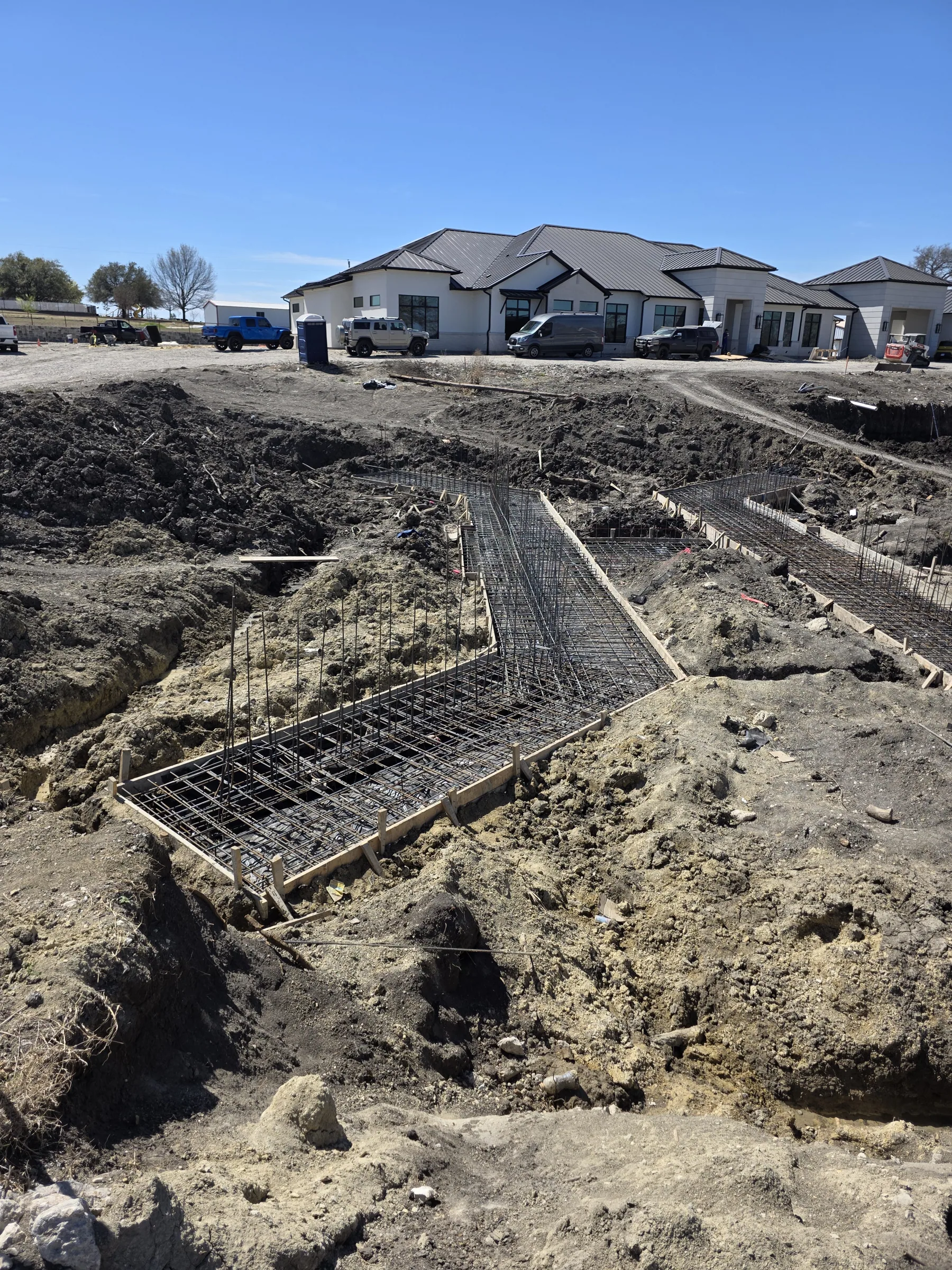
Clearing, cut and fill, drainage structures and the slab. Nothing here shows up in a photograph and all of it determines how the house ages.
5The frame
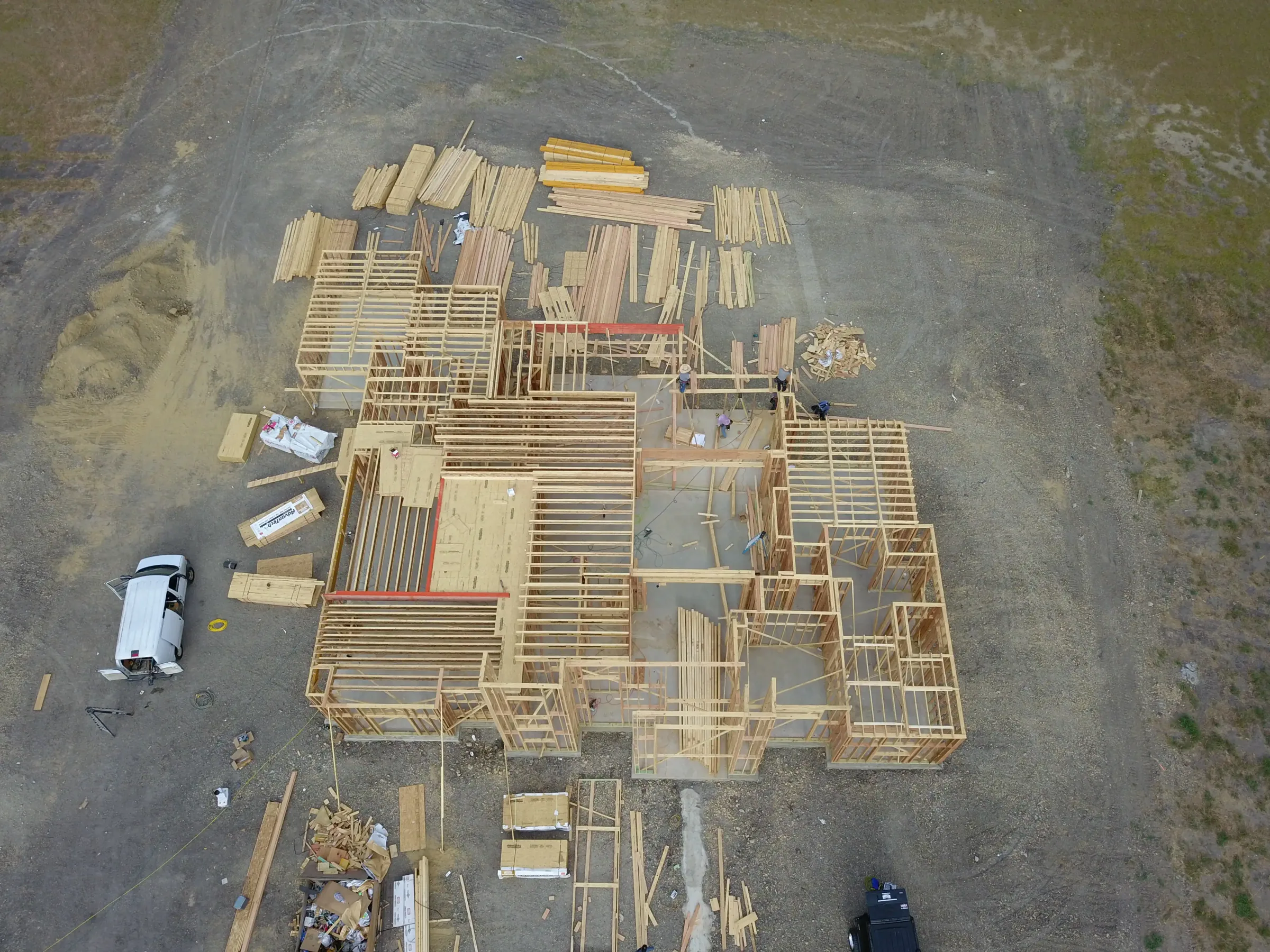
Structure goes up and the house becomes real. This is when I want you on site often, because changes are still possible and still cheap.
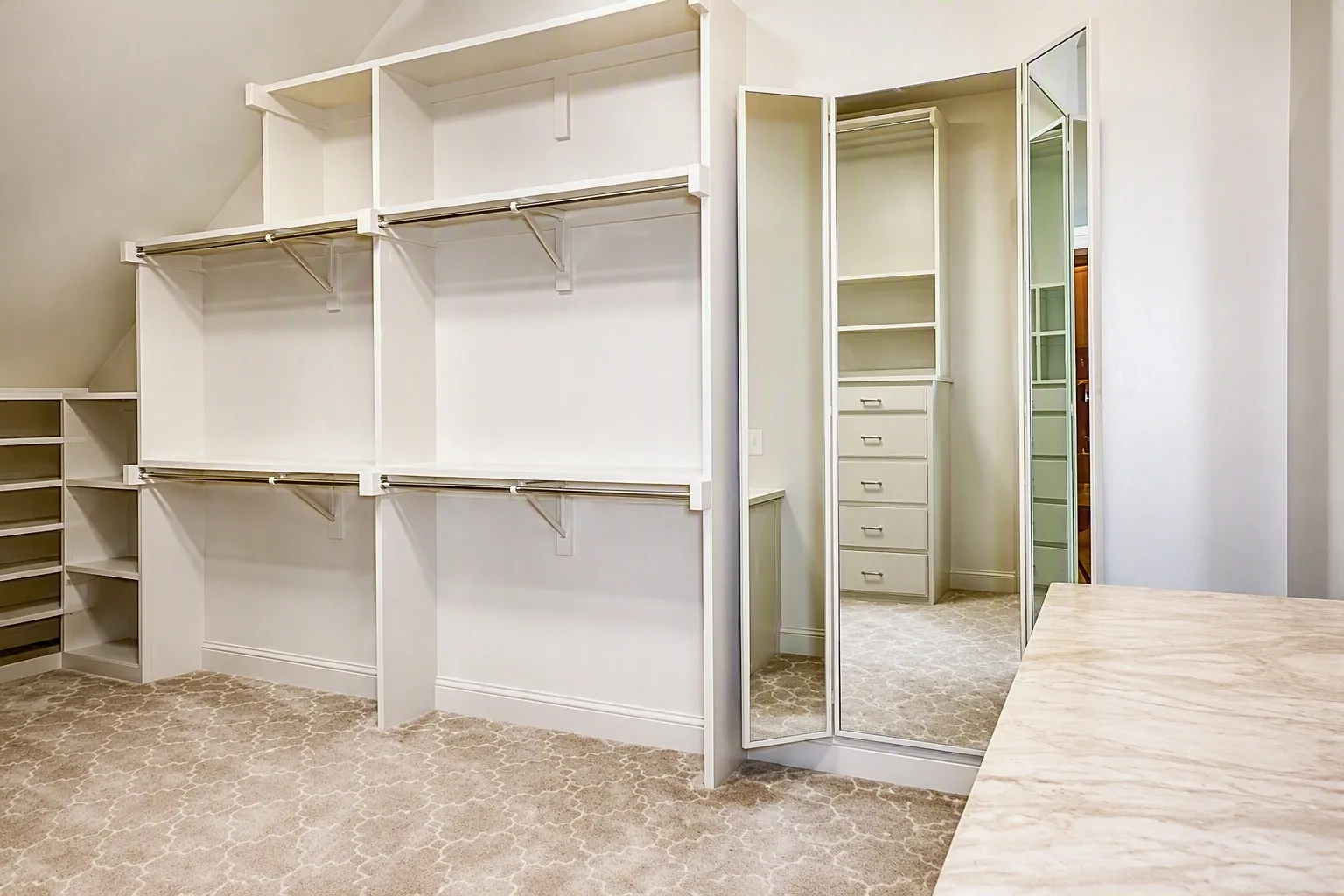
6The finish
Cabinets, stone, tile, trim. Slower than people expect, because this is the part you touch every day for the next thirty years.
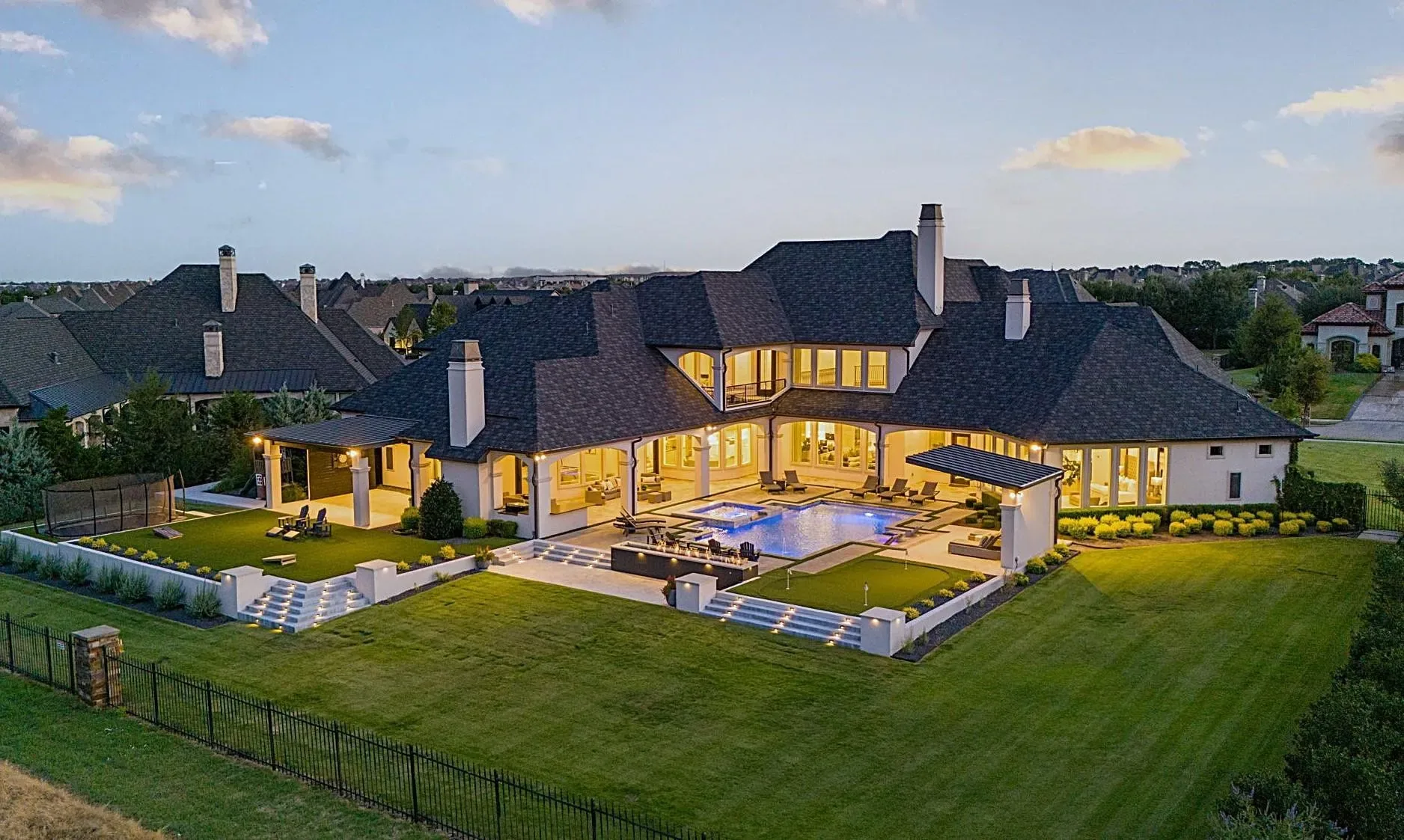
7The keys
Handover, punch list and the first-year calls that come after. A builder who disappears at closing was never really building for you.
Drop in any time. During framing I'd rather you came twice, because a change then is a conversation instead of a demolition bill.
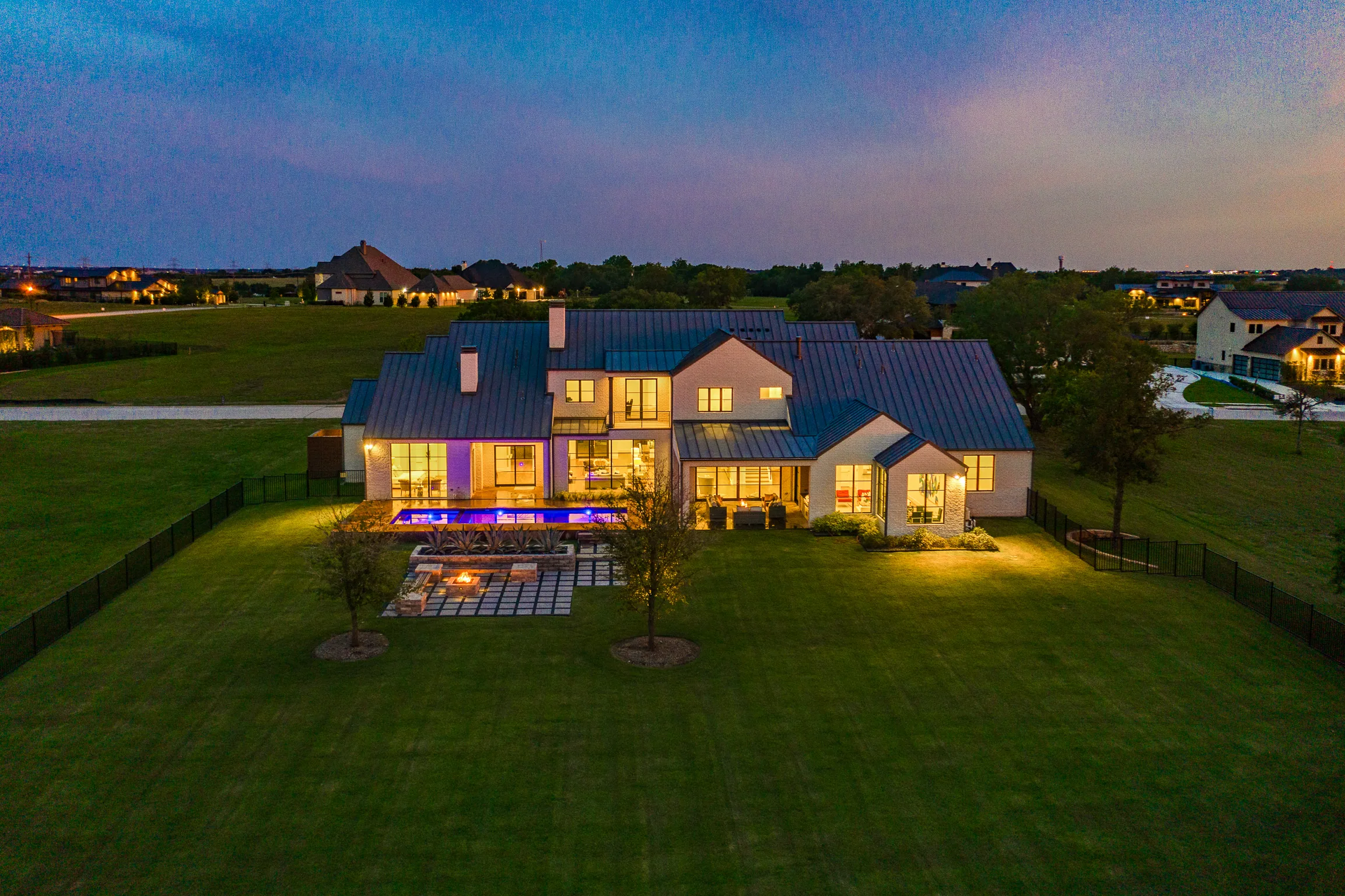
What the site tells you
Dirt, drainage and structure from real jobs. The unglamorous phase that decides the house.


Questions I get asked
Do you build in McKinney?
I do. McKinney is close enough that I'm not planning a day around the drive, which is the only reason I take work anywhere.
What is different about building in McKinney?
Historic-district lots with review requirements alongside newer acreage north of town. That shapes the foundation and the footprint before anything else.
Do I need a lot first?
Not at all. Some of my best builds started with a conversation about which lot to buy rather than what to put on it.
How long will it take?
The site decides more of the schedule than the house does. Difficult dirt, long utility runs or HOA review all add time, and I will tell you which apply to your lot.
Do you handle the permits?
Yes. Each jurisdiction here runs a little differently and I deal with all of it.
What happens if something goes wrong?
You hear it from me first, and you hear the fix in the same conversation.
Thinking about a build in McKinney?
If a McKinney builder has told you something that doesn't sit right, get a second read.