

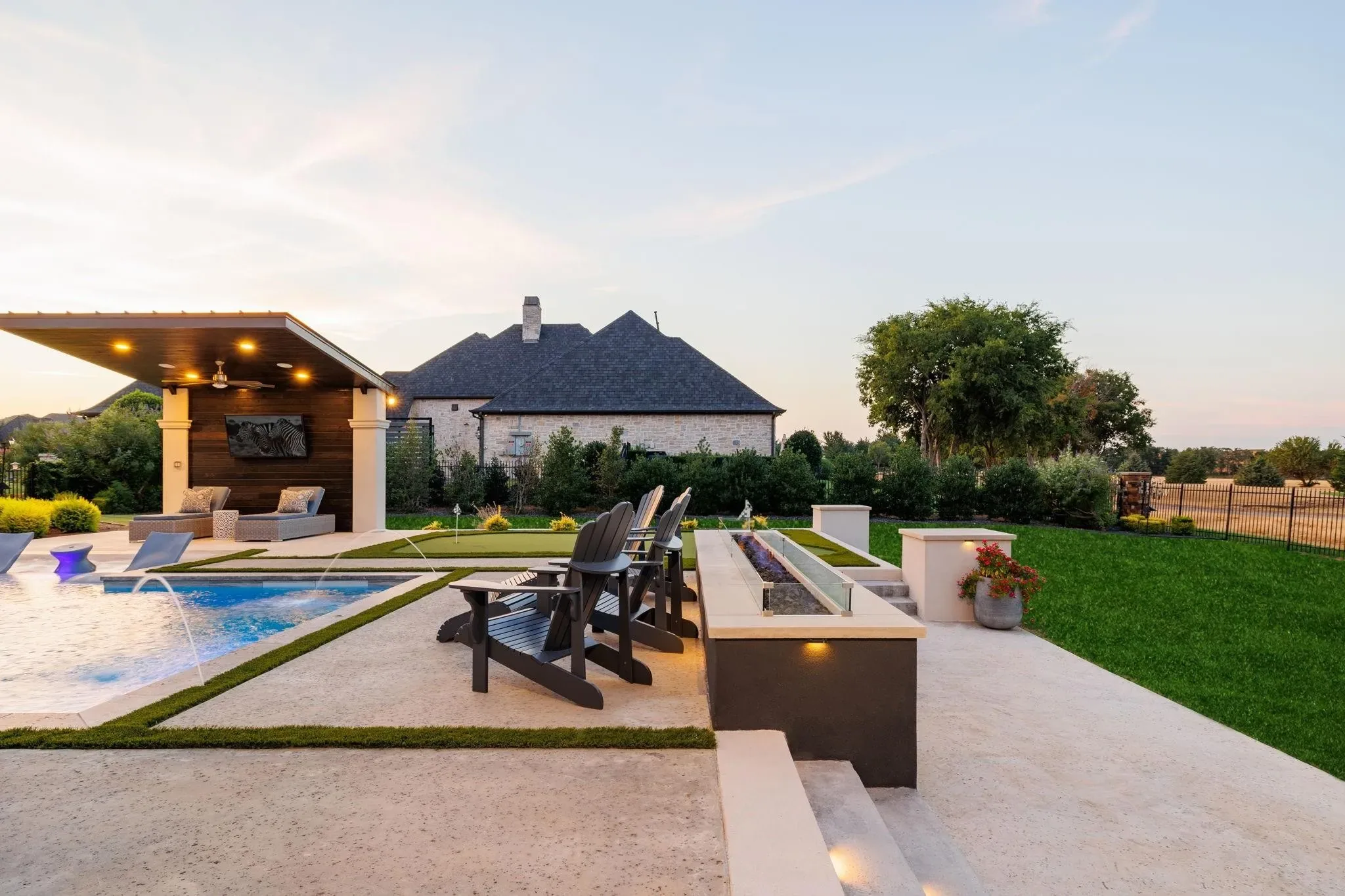
Crandall’s custom home builder.
Lots where soil, drainage and orientation decide the foundation before anything else.
Talk to Aaronor call (972) 528-5668
Building a house in Crandall
Most of what goes wrong on a Crandall build gets set in motion in the first month.

Soil moves here. Drainage decides where water goes for the life of the house. Orientation sets what every window looks at and how hard the west side works in August. Those three get settled before framing, because they can’t be fixed after.
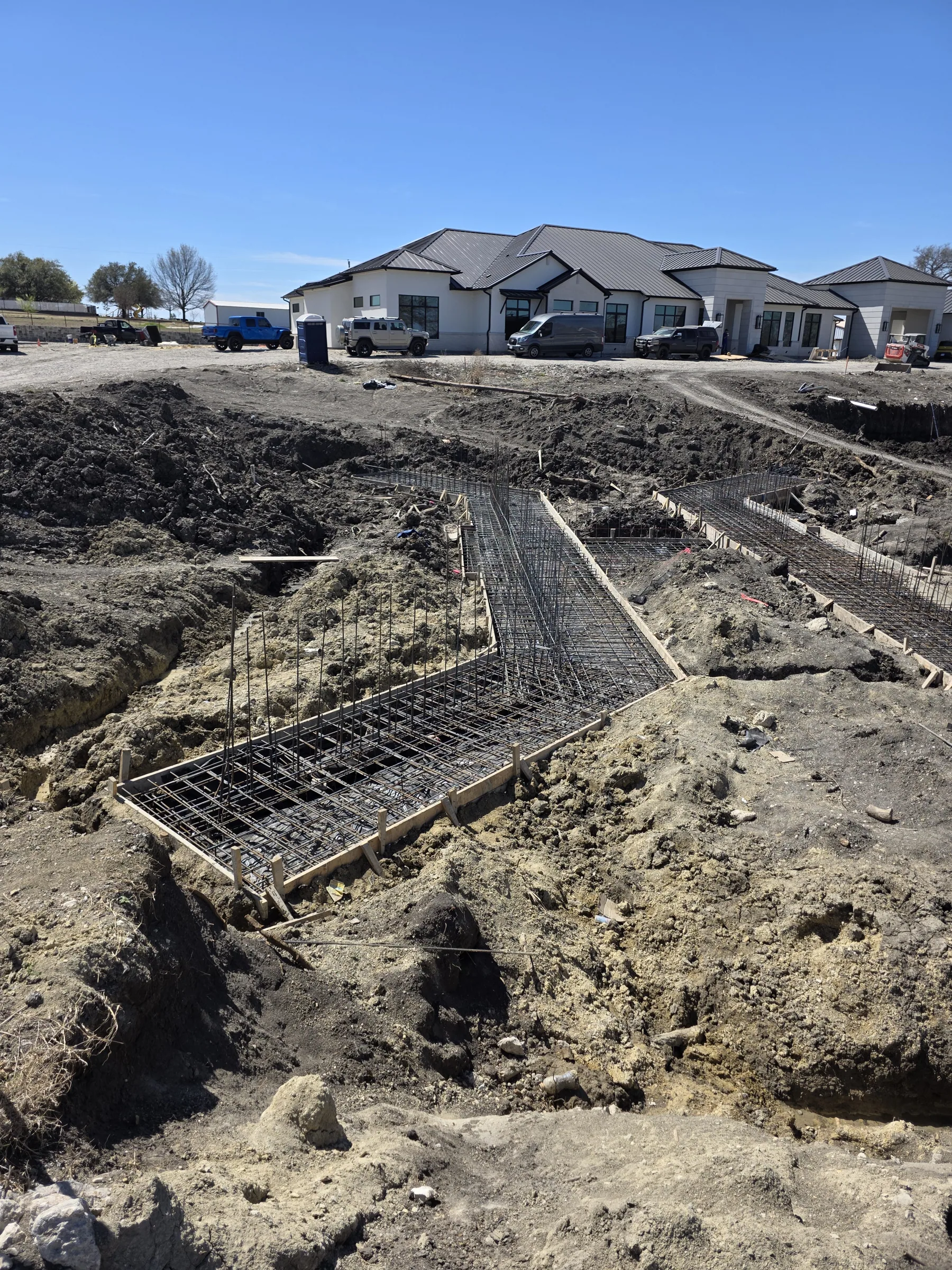
The foundation is the part of your house you’ll never look at and never stop depending on. In this part of Texas the soil is heavy clay that swells when it rains and shrinks when it doesn’t, which means the slab is designed for movement rather than pretending movement won’t happen. That means real engineering, correct moisture conditioning before the pour, post-tension cable laid where the drawings say and not where it’s convenient, and drainage that carries water away from the perimeter for the life of the house. Skipping any of it saves money in month three and costs a great deal in year eight.

Setbacks, easements and whatever the HOA reviews will shape the footprint before you choose a single finish. Better to know the envelope early and design inside it.
Most of what people think of as builder quality is really trade quality. The framer who keeps walls plumb, the plumber who thinks about access before he thinks about speed, the finish carpenter who cares what a return looks like from four feet away. I don’t rebid those relationships every job to shave a percentage point. The trades on my sites have been with me for years, they know the standard I’m going to hold them to, and they know I will pay them fairly to meet it. That isn’t sentiment. It’s the only reliable way I know to make good work repeatable.
Wood, stone and steel all start imperfect. The job is refining them, not pretending otherwise.
It costs a little more attention up front and saves a great deal later.
I don’t chase the lowest bid on trades. The cheapest framer is expensive twice.
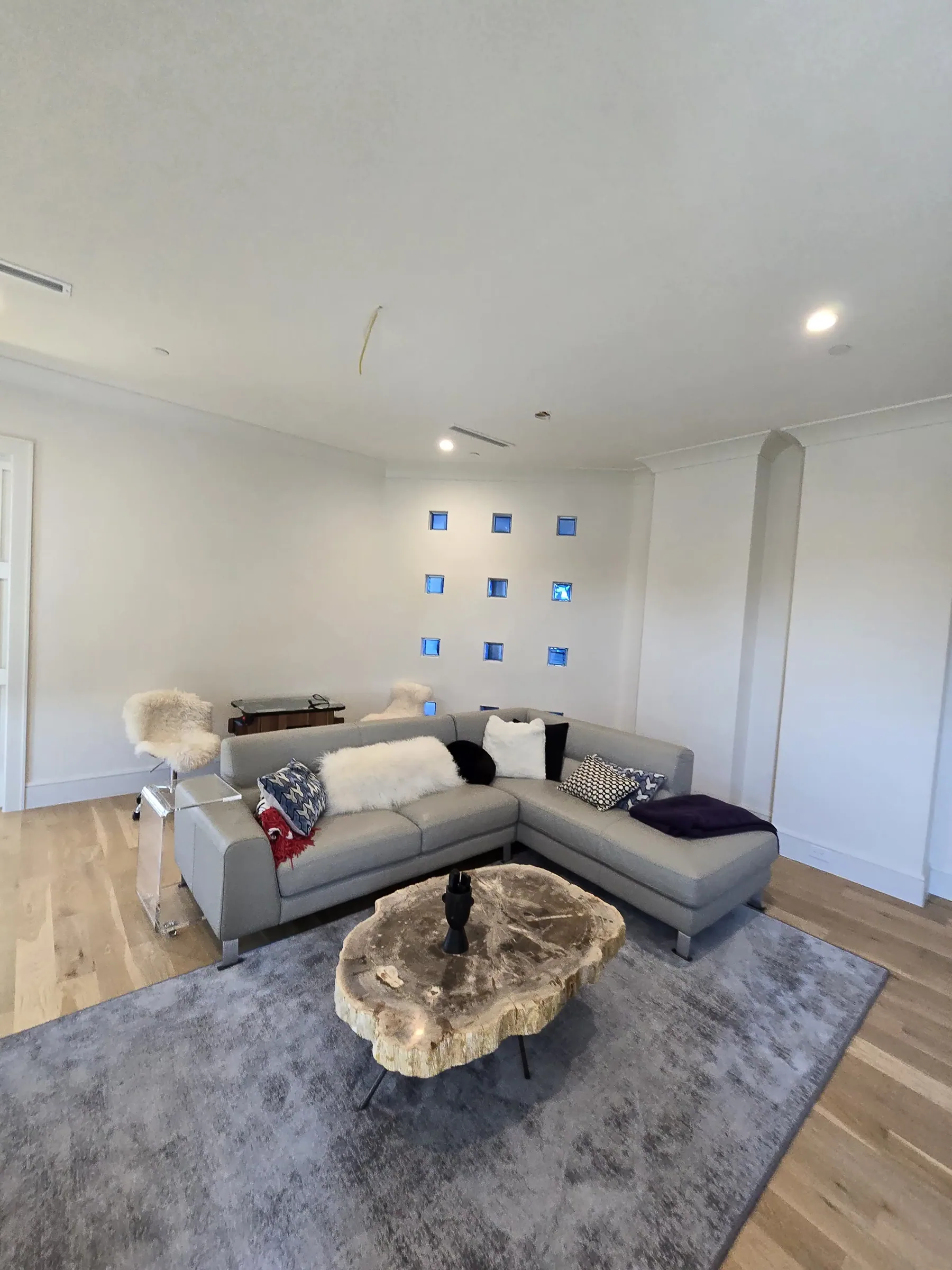
A custom home is a long relationship with whoever builds it. You’ll talk to me more in eighteen months than you talk to most people in your life, and a good portion of those conversations will be about things that didn’t go to plan. That’s normal. Weather moves, materials arrive damaged, an inspector reads something differently than expected. What matters is whether the person telling you has a plan attached to the news, and whether the same person is still answering the phone a year after you move in. One family has brought me back for a fourth project. That only happens if the earlier ones went right.
Selections are where schedules quietly die. Cabinets, tile, stone, plumbing fixtures and lighting all carry lead times, and a single backordered item can idle a crew for weeks. I front-load those decisions and keep a running list of what has been ordered, what has arrived and what’s still open. It’s unglamorous project management and it’s most of the difference between a build that lands near its date and one that drifts by a season. You’ll always know where yours stands, because I’d rather tell you early than explain later.
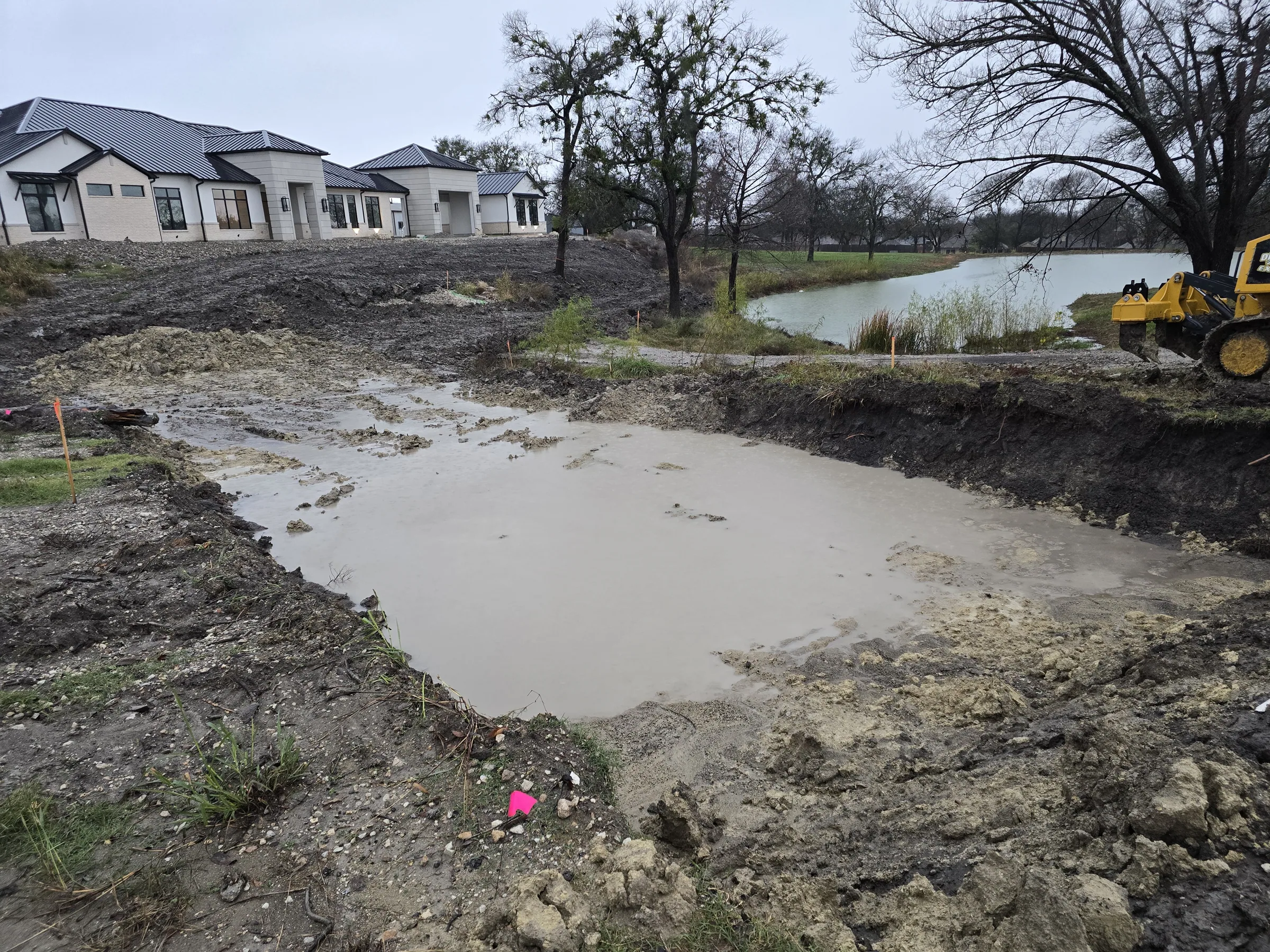
Drainage is the quiet one. Water has to leave the property somewhere, and where it goes after it leaves your pad is a question the city will ask and your neighbor will ask louder. Getting the grades right the first time is a small line in the budget; getting them wrong costs a foundation.
Work from around here
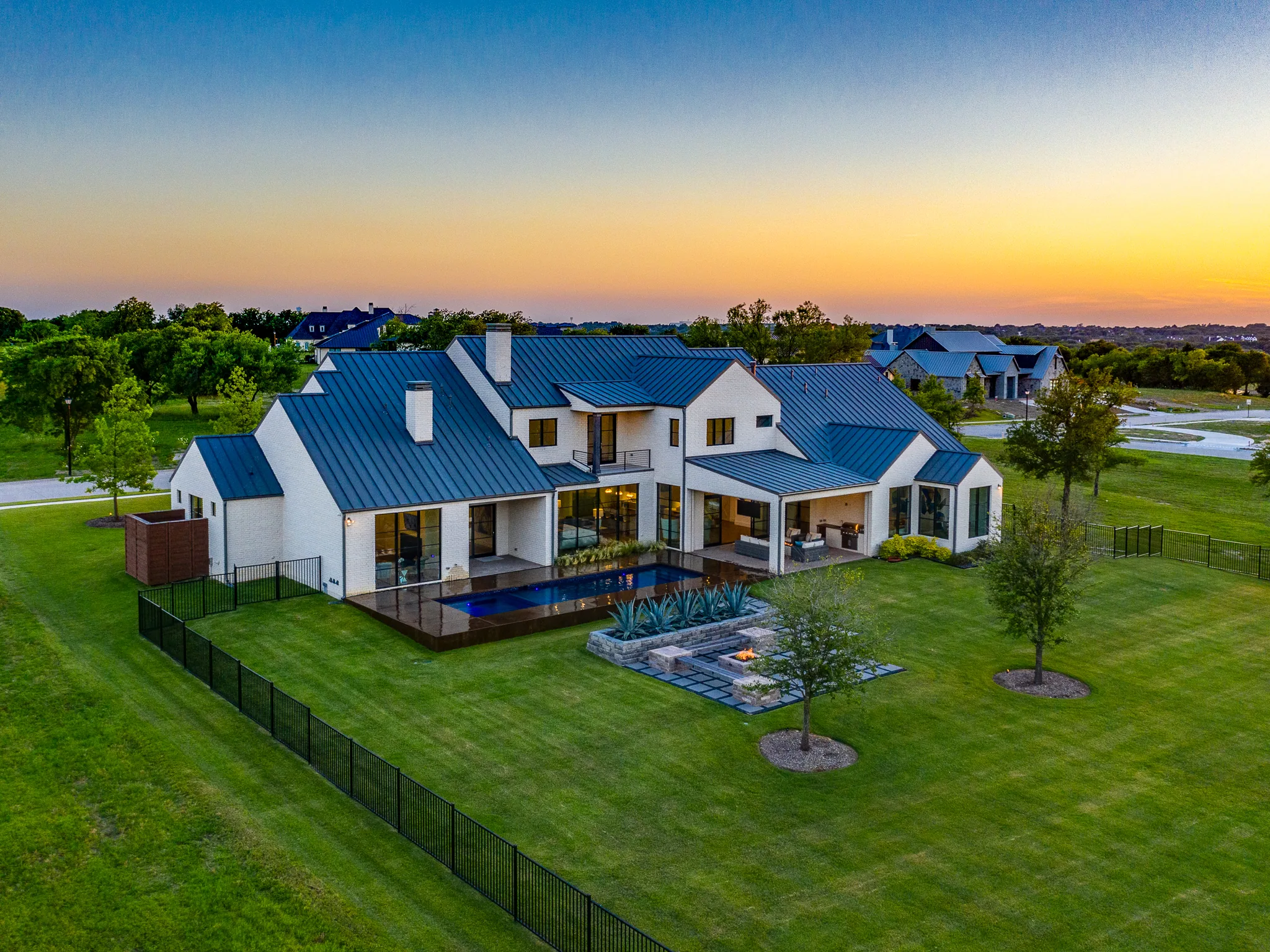
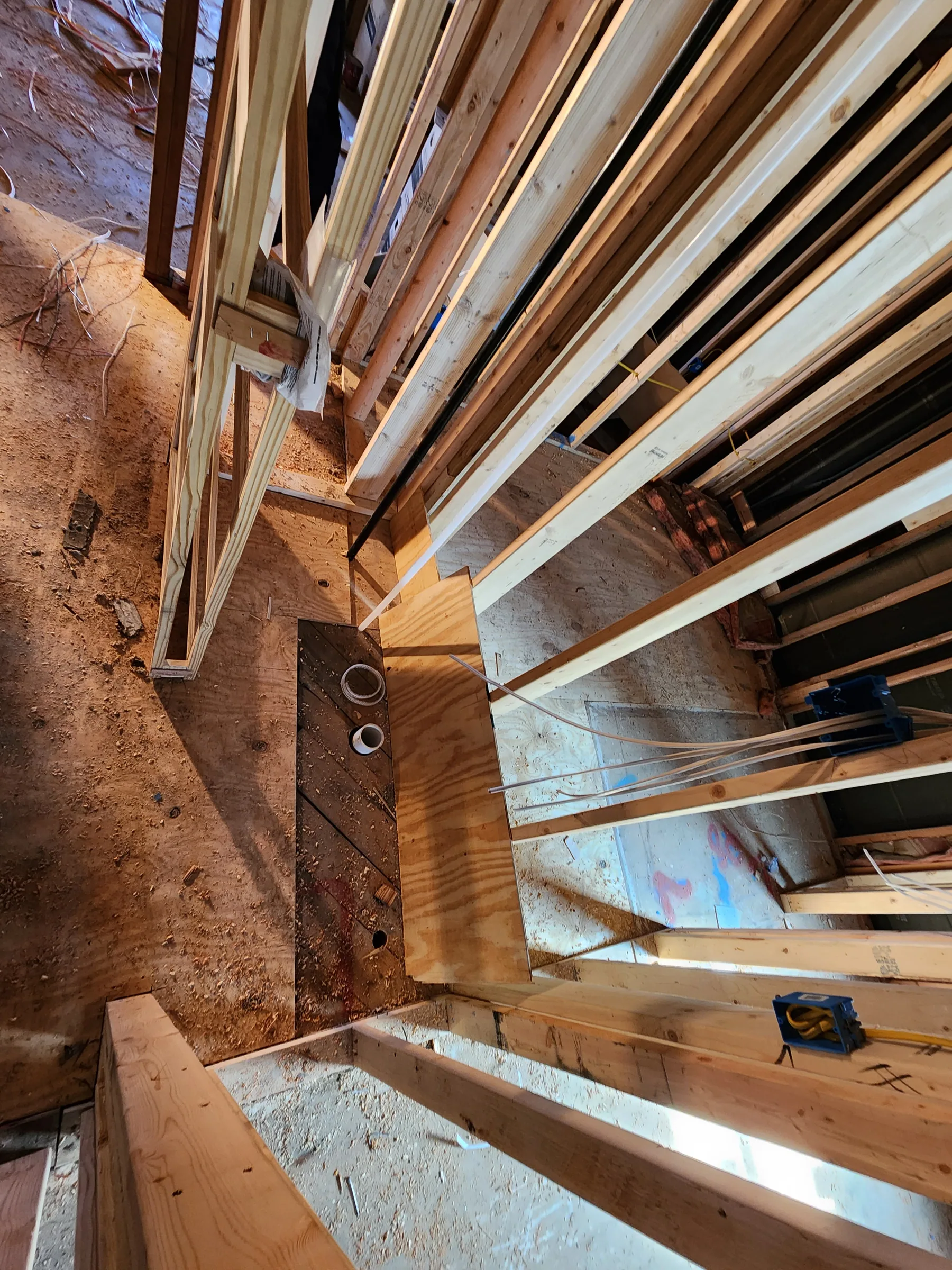


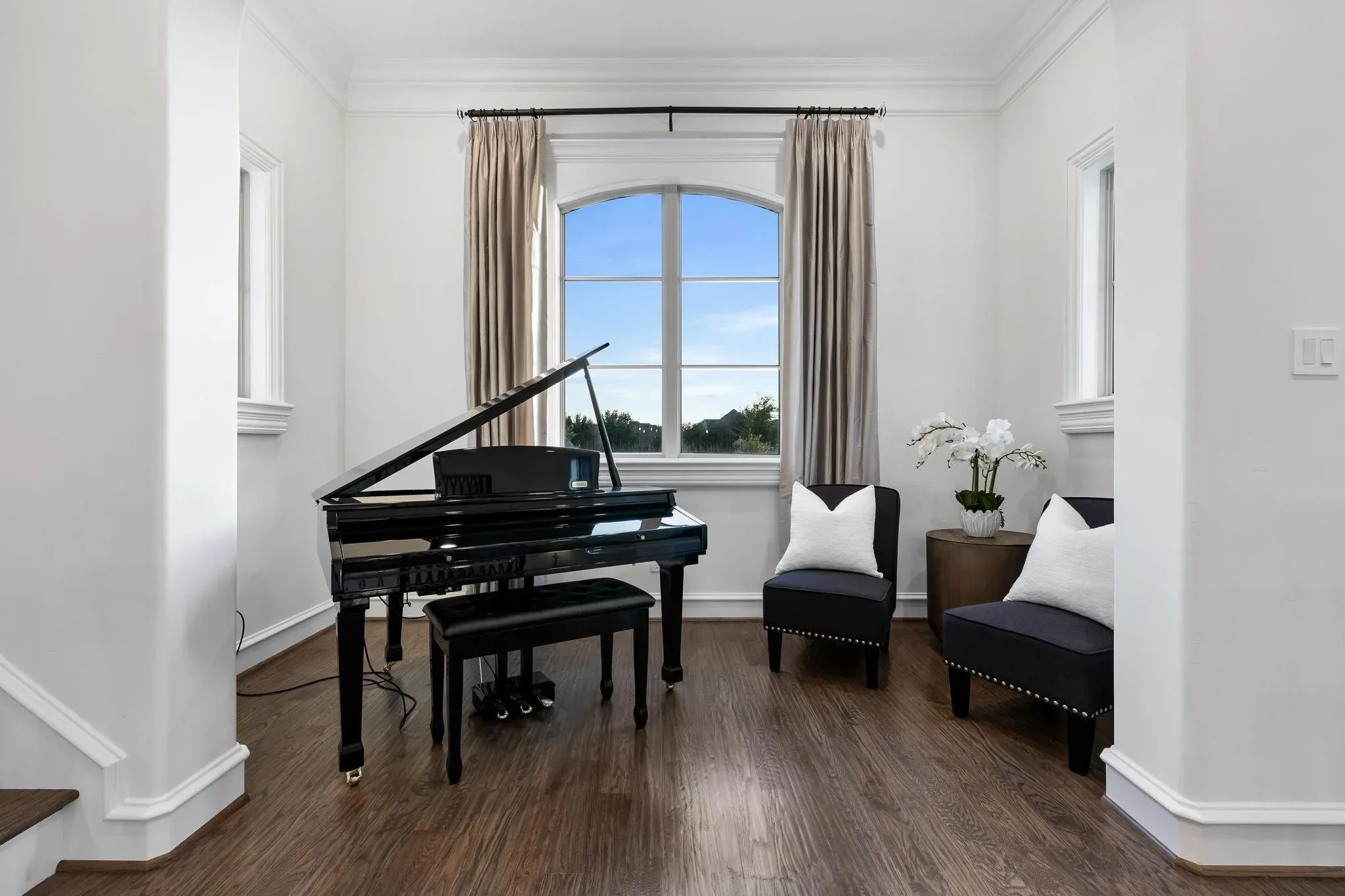
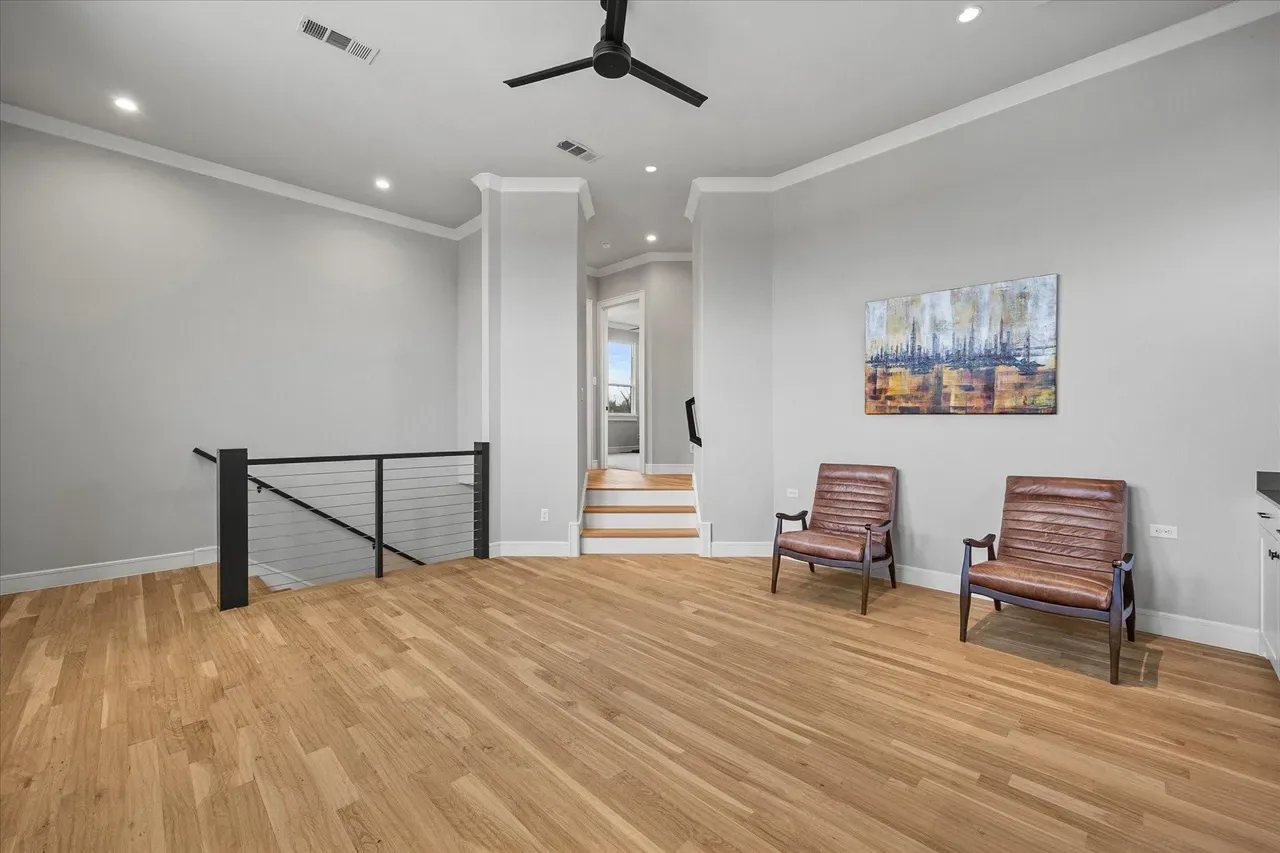
Each of these homes has its own gallery in the portfolio.
Crandall and the rest of Kaufman County

1The lot
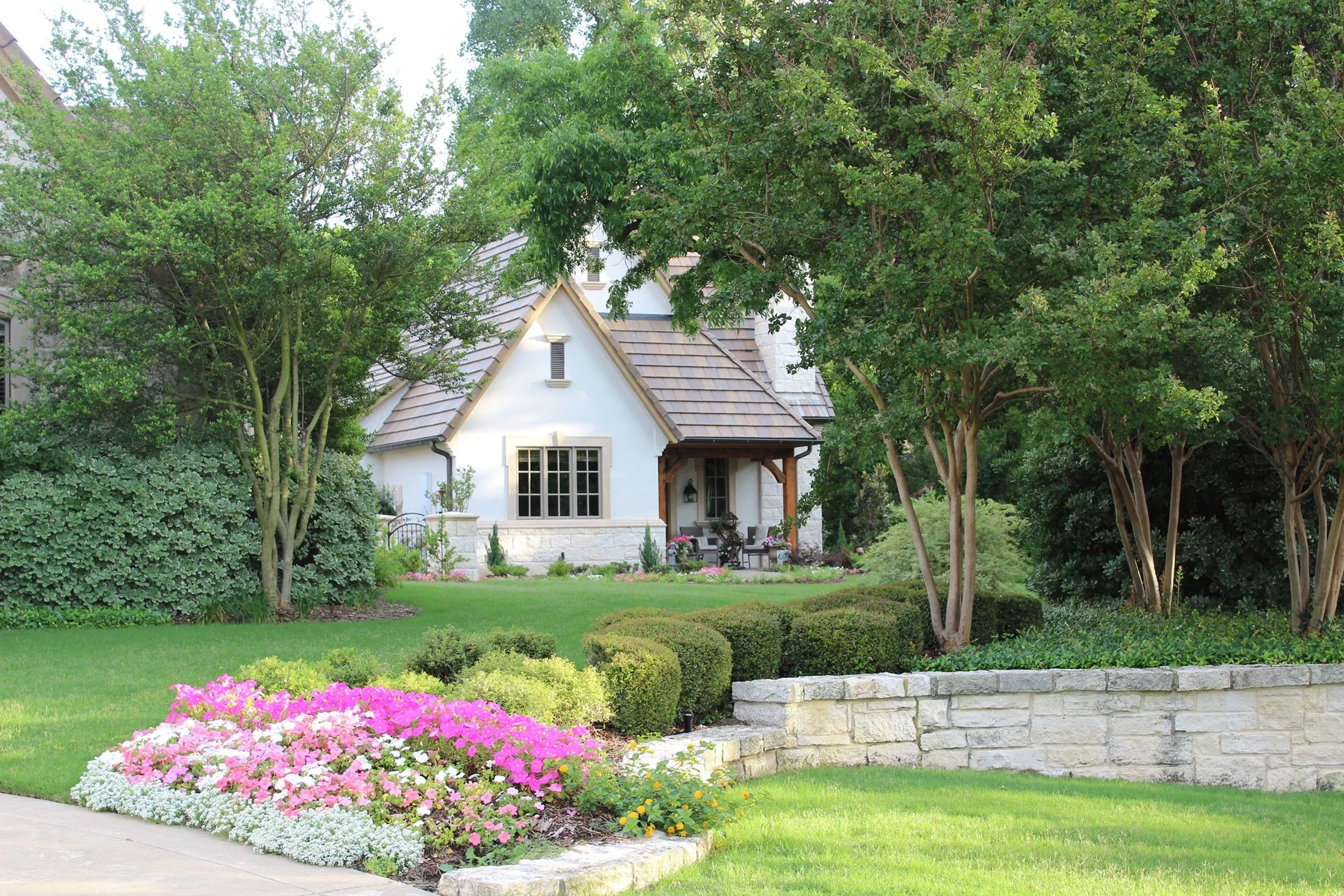
We walk it together. Grade, drainage, trees, access, where the sun comes from. I tell you what the site will and won't allow before anyone draws a plan.
2The plan
Design happens against the real site, not a generic rectangle. You see the envelope, the constraints and the honest cost of the choices that are hard to reverse.

3The numbers
A real budget separates what the dirt costs from what the house costs. Most surprises in this business are site surprises, so that line gets honest numbers first.
4The dirt
Pad, drainage and foundation. The least photogenic phase and the one that decides whether the house is still square in twenty years.

5The frame
The skeleton goes up and suddenly the plan is a building. It's also the last cheap moment to move a window or raise a ceiling.
6The finish
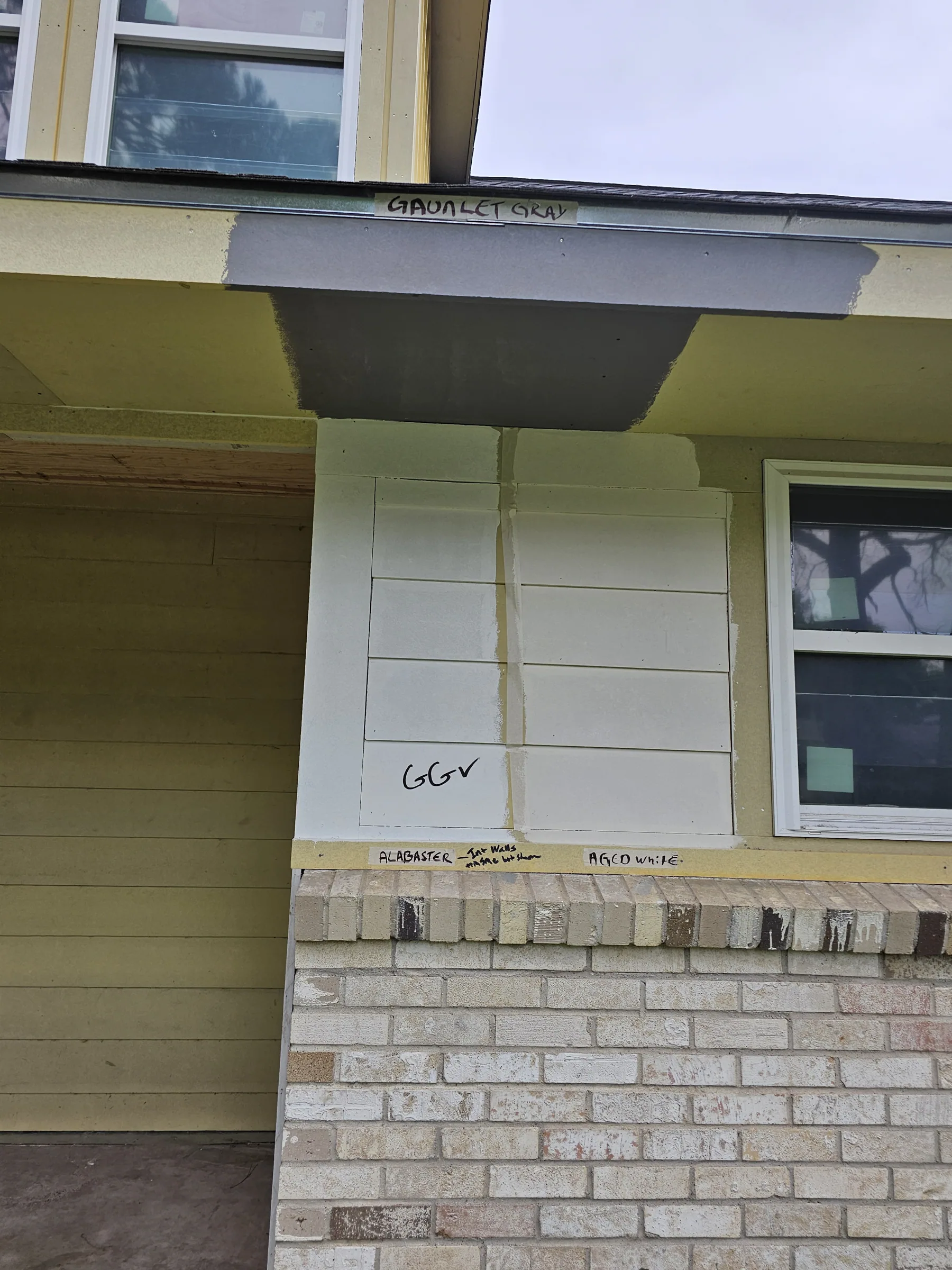
Cabinets, stone, tile, trim. Slower than people expect, because this is the part you touch every day for the next thirty years.
7The keys
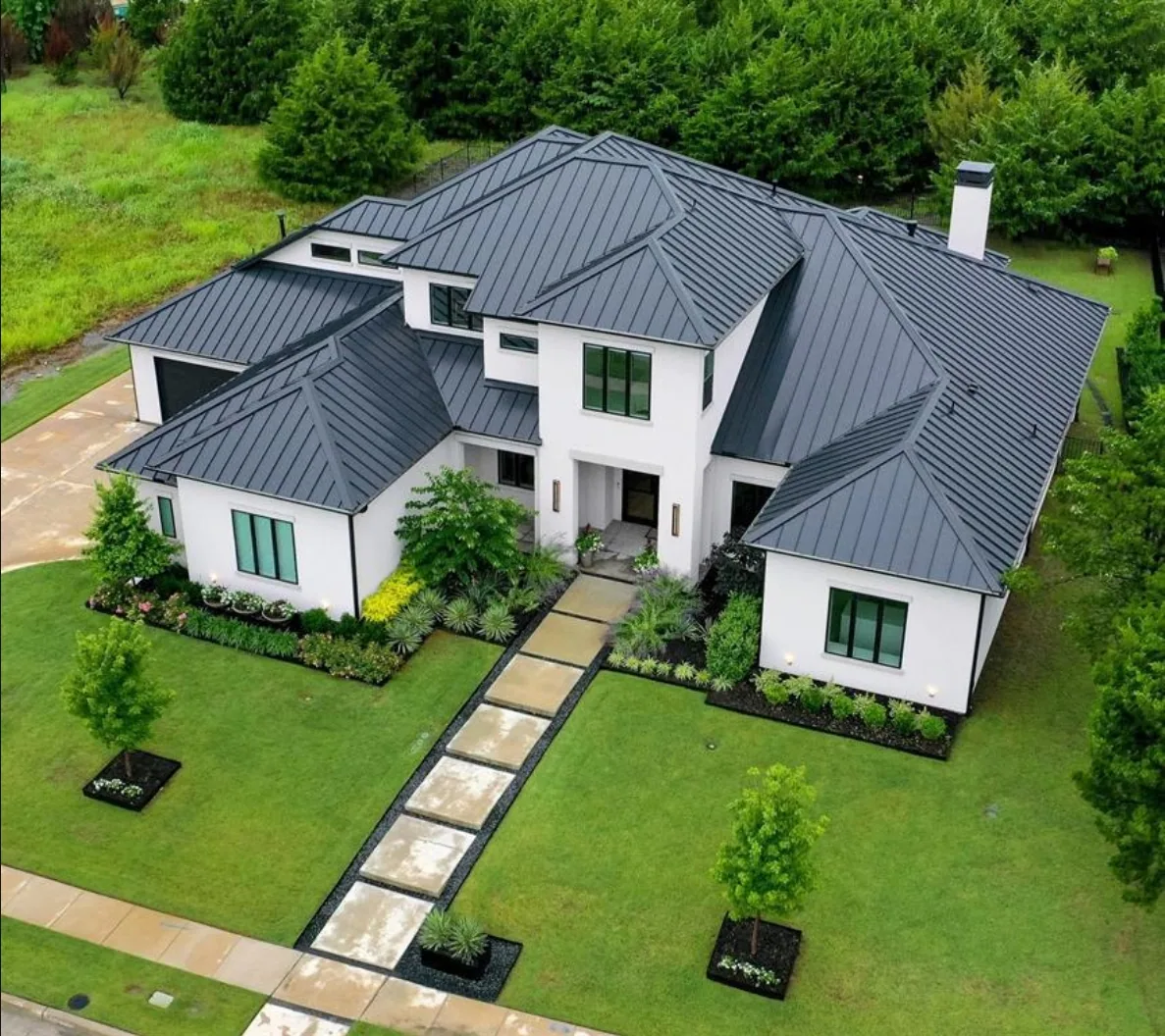
Walk-through, punch list, and a builder who still answers the phone afterward. One family has now brought me back for a fourth project. That only happens if the last one went right.
I will tell you when each phase starts. If you only walk the job once, walk it when the frame is up and the walls are still open.
What the site tells you
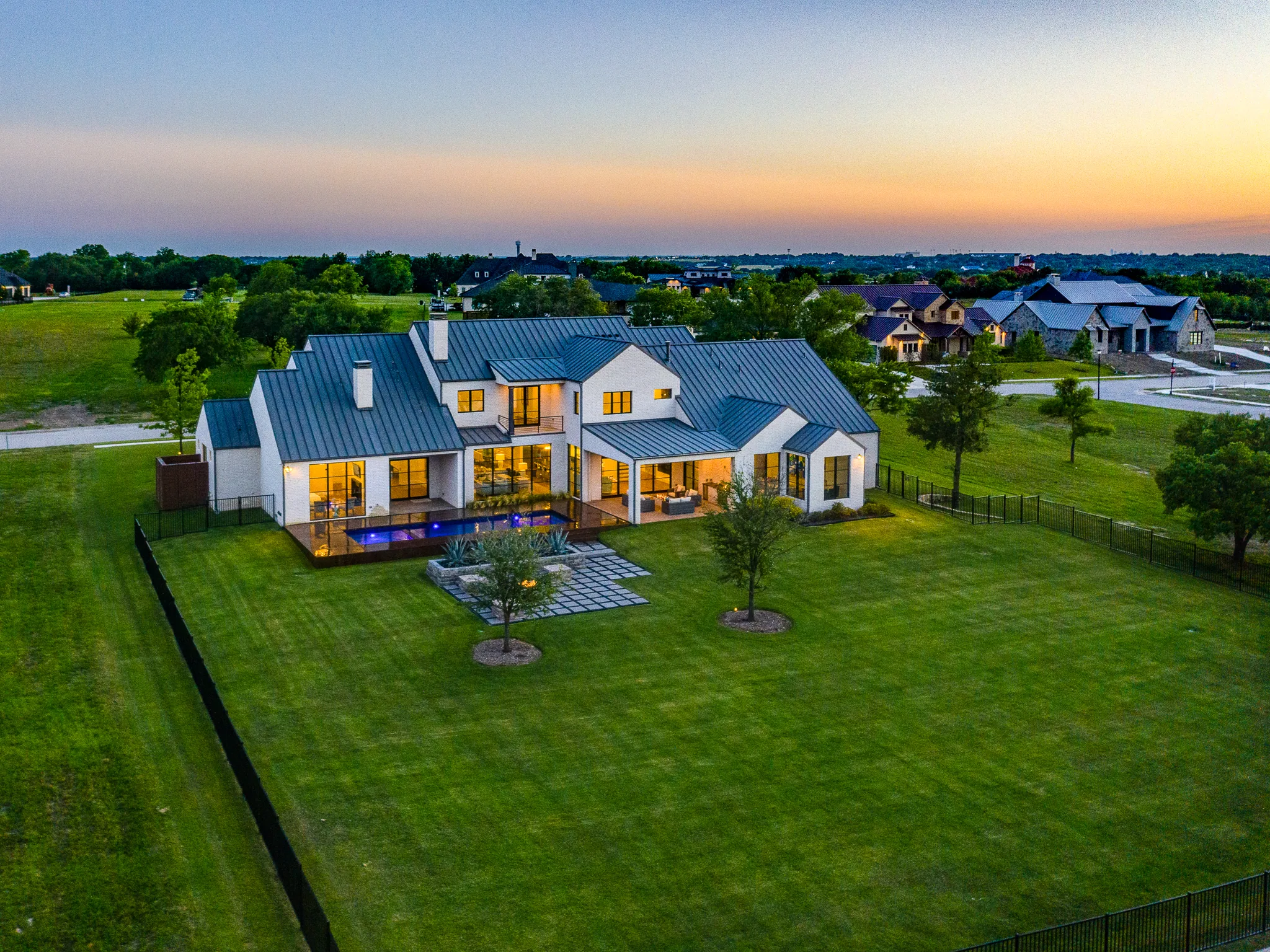
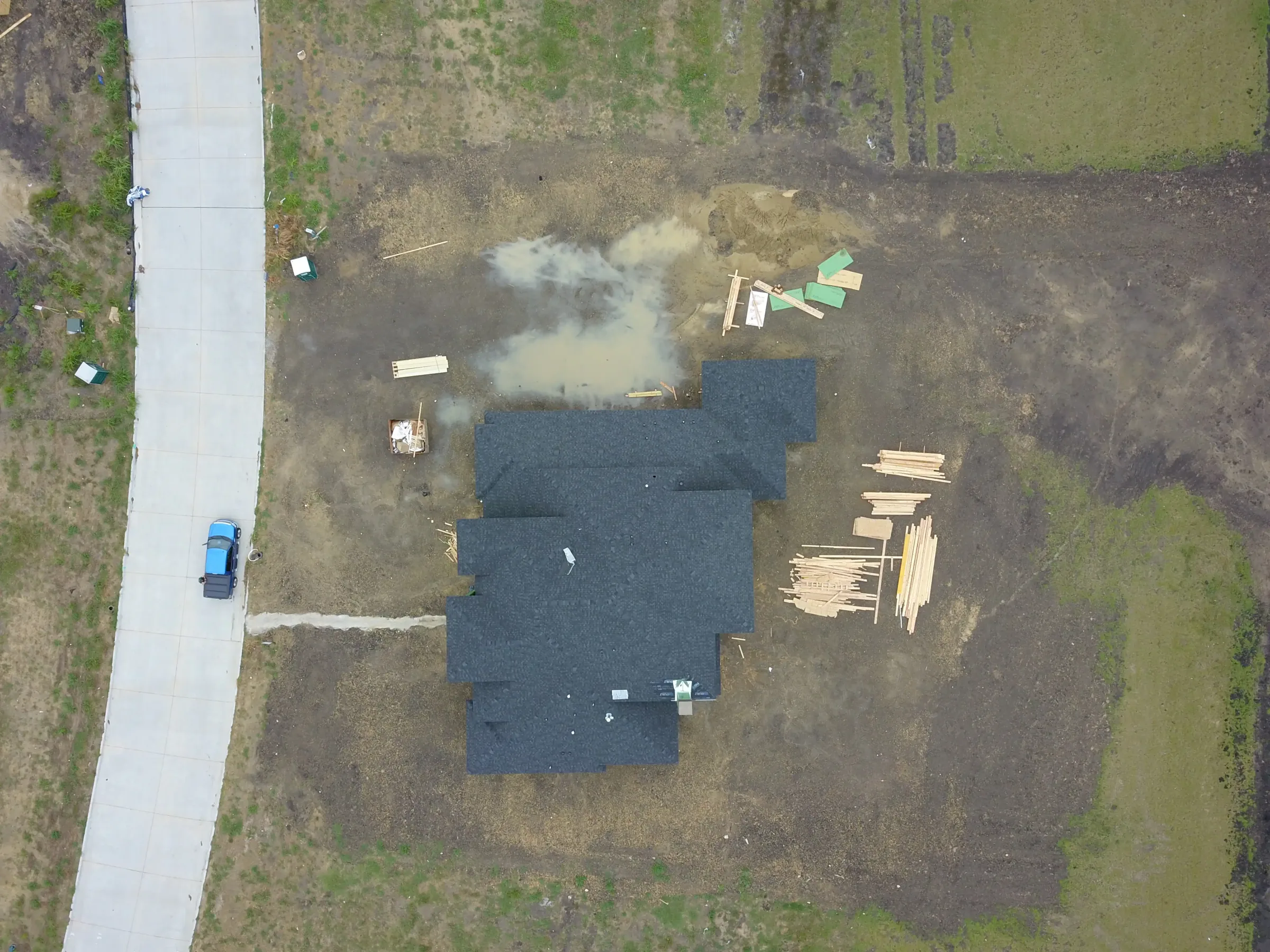
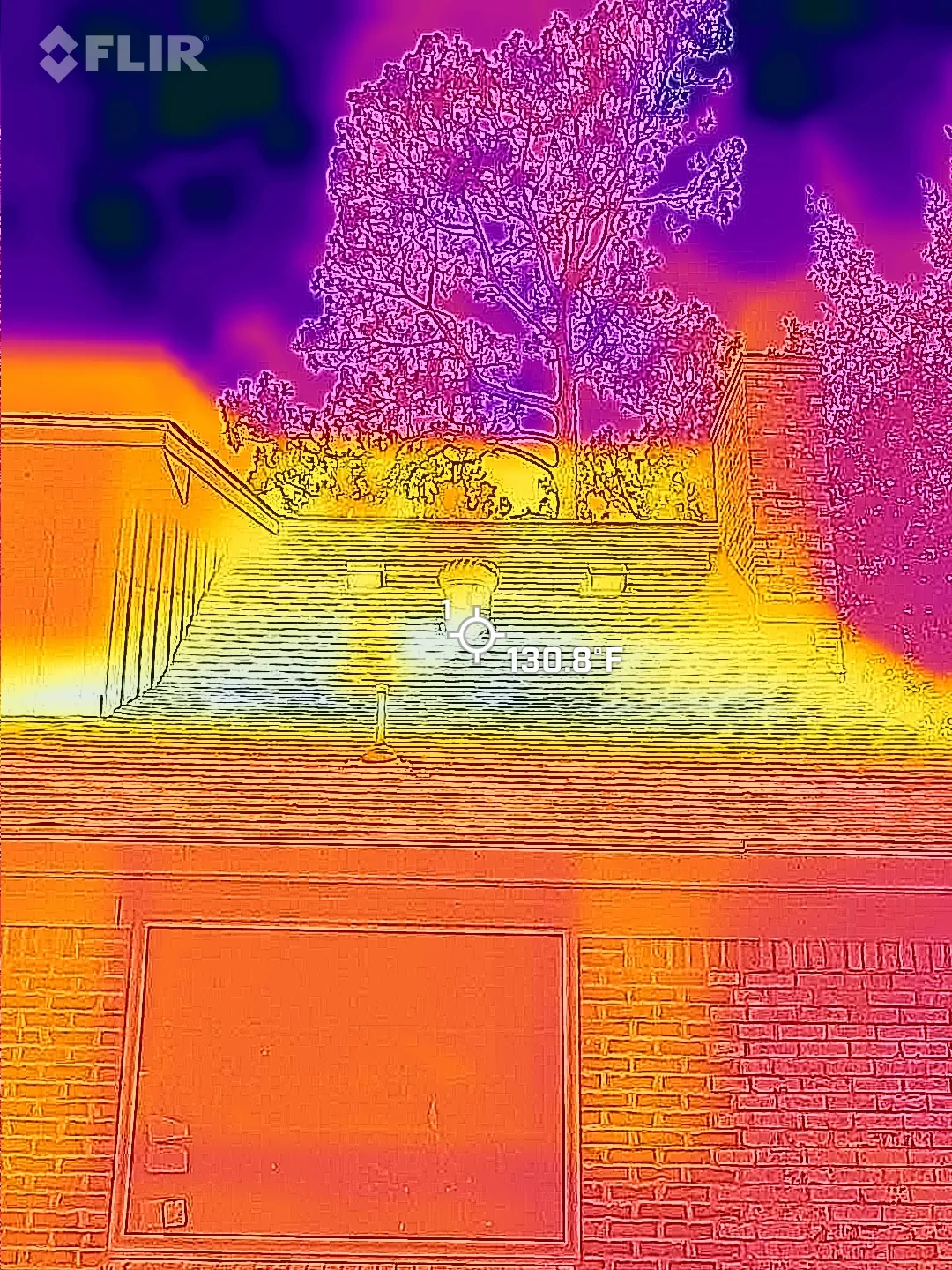
Dirt, drainage and structure from real jobs. The unglamorous phase that decides the house.


Questions I get asked
Do you build in Crandall?
Yes. Crandall sits in Kaufman County, and it's inside the area I can get to often enough to actually be on the job.
What is different about building in Crandall?
Lots where soil, drainage and orientation decide the foundation before anything else. That shapes the foundation and the footprint before anything else.
Do I need a lot first?
You don't. Bring me the ones you're considering and I will tell you what each would cost you in dirt before you commit.
How long will it take?
It depends on the house and the site. Tell me about yours and I will give you a real range rather than a brochure number.
Do you handle the permits?
That’s mine to handle, permits and review both.
What happens if something goes wrong?
I tell you before you find it, along with what I intend to do about it and what it changes.
Thinking about a build in Crandall?
I'd rather talk you out of the wrong Crandall build than into the wrong one.