

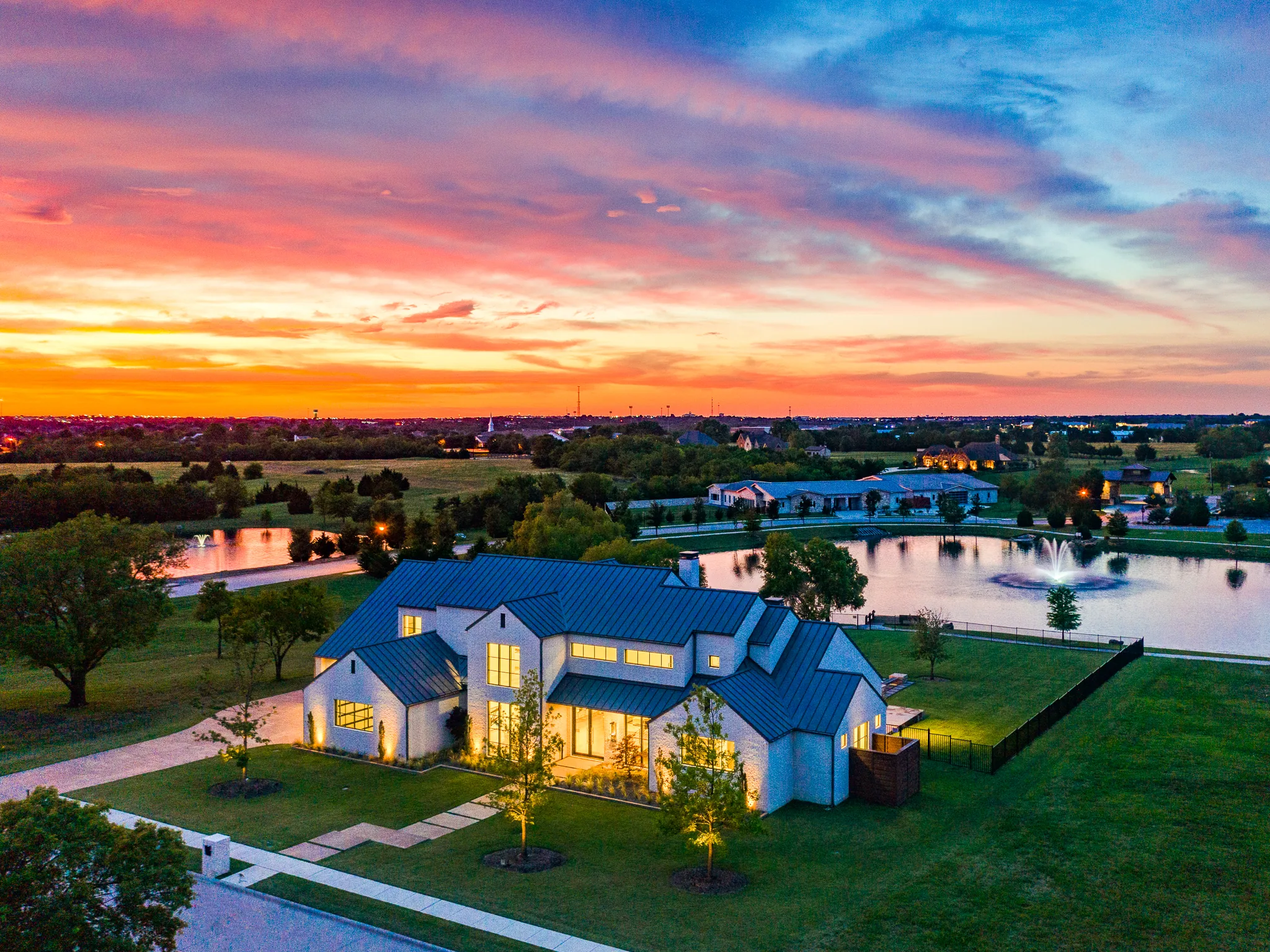
Forney’s custom home builder.
Expanding acreage east of Dallas with black-clay soil that dictates the foundation.
Talk to Aaronor call (972) 528-5668
Building a house in Forney
The Forney homes I’m proudest of were the ones where we slowed down at the start.
I’d rather spend an extra two weeks in planning than an extra two months in the field. That trade has never once gone the other way.
Change orders aren’t inherently bad. They are how a house adapts to what you learn while standing in it. What is bad is a change order you find out about after the work is done, or one priced as a favor and settled at the end. Mine are written before the work happens, with the cost and the schedule impact stated, and you sign them or you don’t. That’s it. It keeps the conversation about the house rather than about the invoice.

I bring the trades out early. The framer and the concrete crew see the site before the plans are final, because they catch things a drawing doesn’t show.
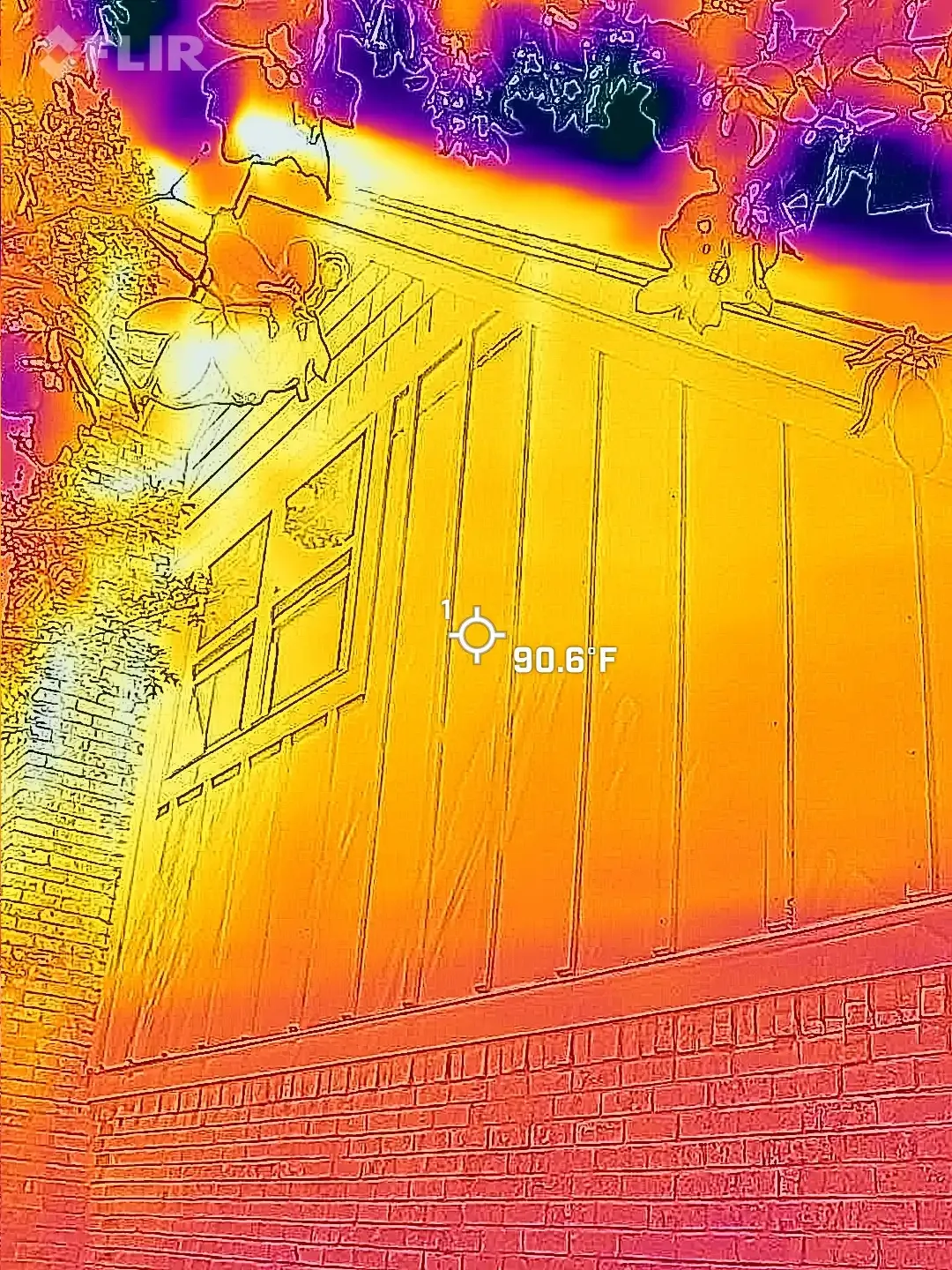
Mechanical, electrical and plumbing get coordinated before anyone cuts anything. Where the ducts run, whether the trusses can carry them, where the panel sits and how far the longest plumbing run has to travel. Done early, on paper, it costs a few meetings. Done in the field by whoever shows up first, it produces drilled structural members, soffits nobody planned for, and rooms that are colder than the rest of the house for reasons no one can trace.
Every job has something go sideways. The difference is whether you find out from the builder or from an inspector.
I’d rather over-explain this early than have you learn it the hard way.
Nothing gets covered up that I wouldn’t want to look at myself in five years.
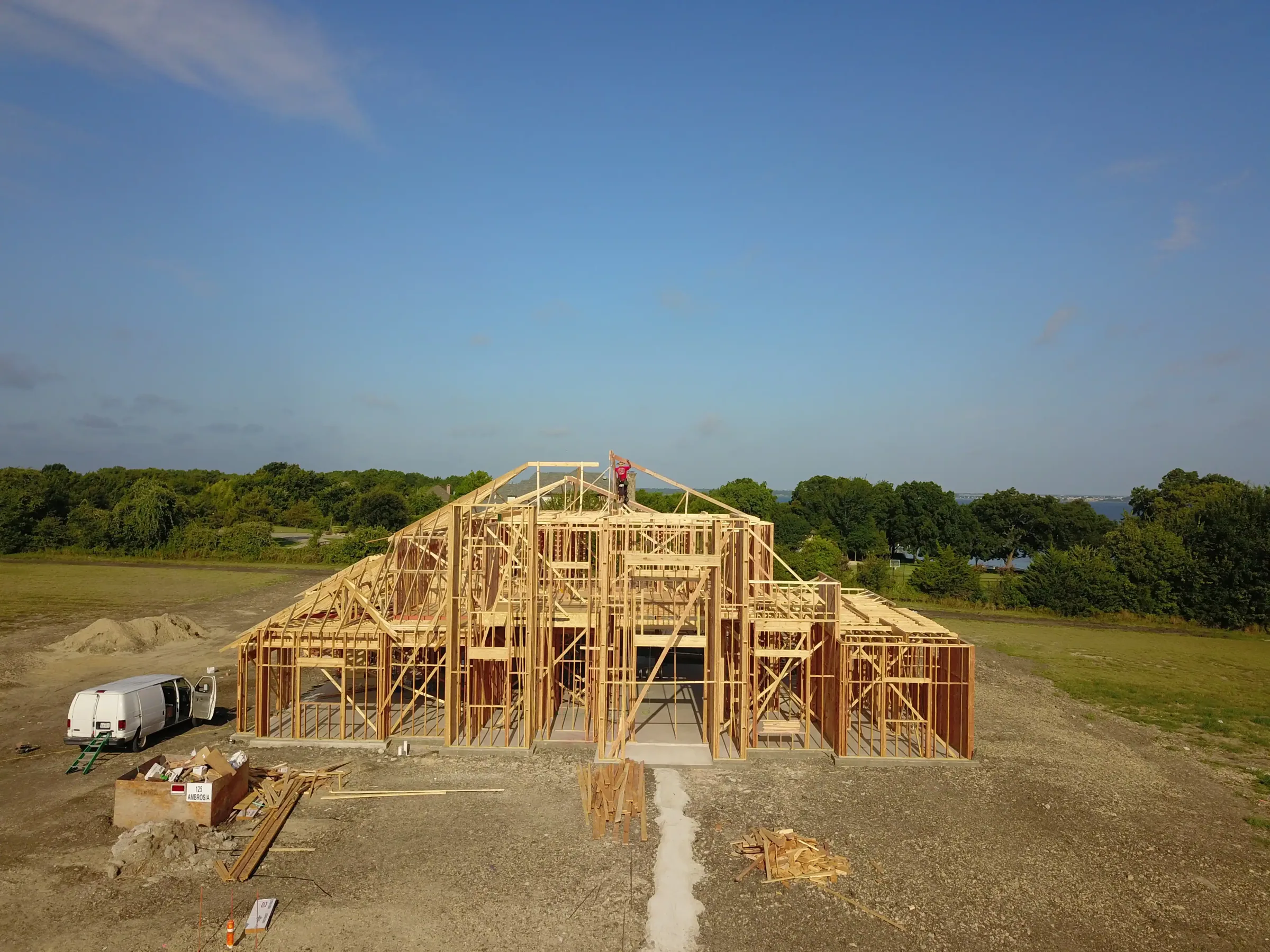
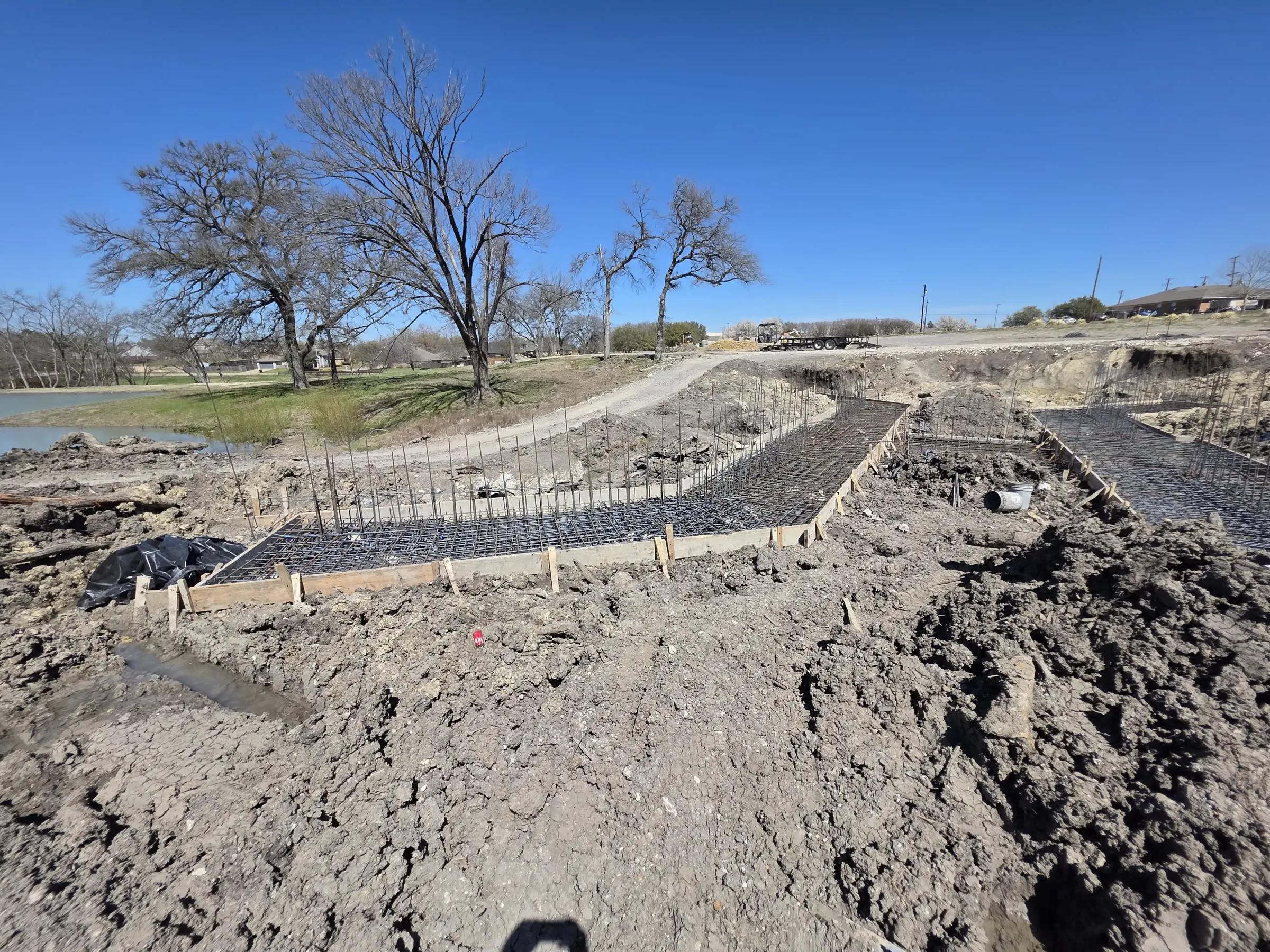
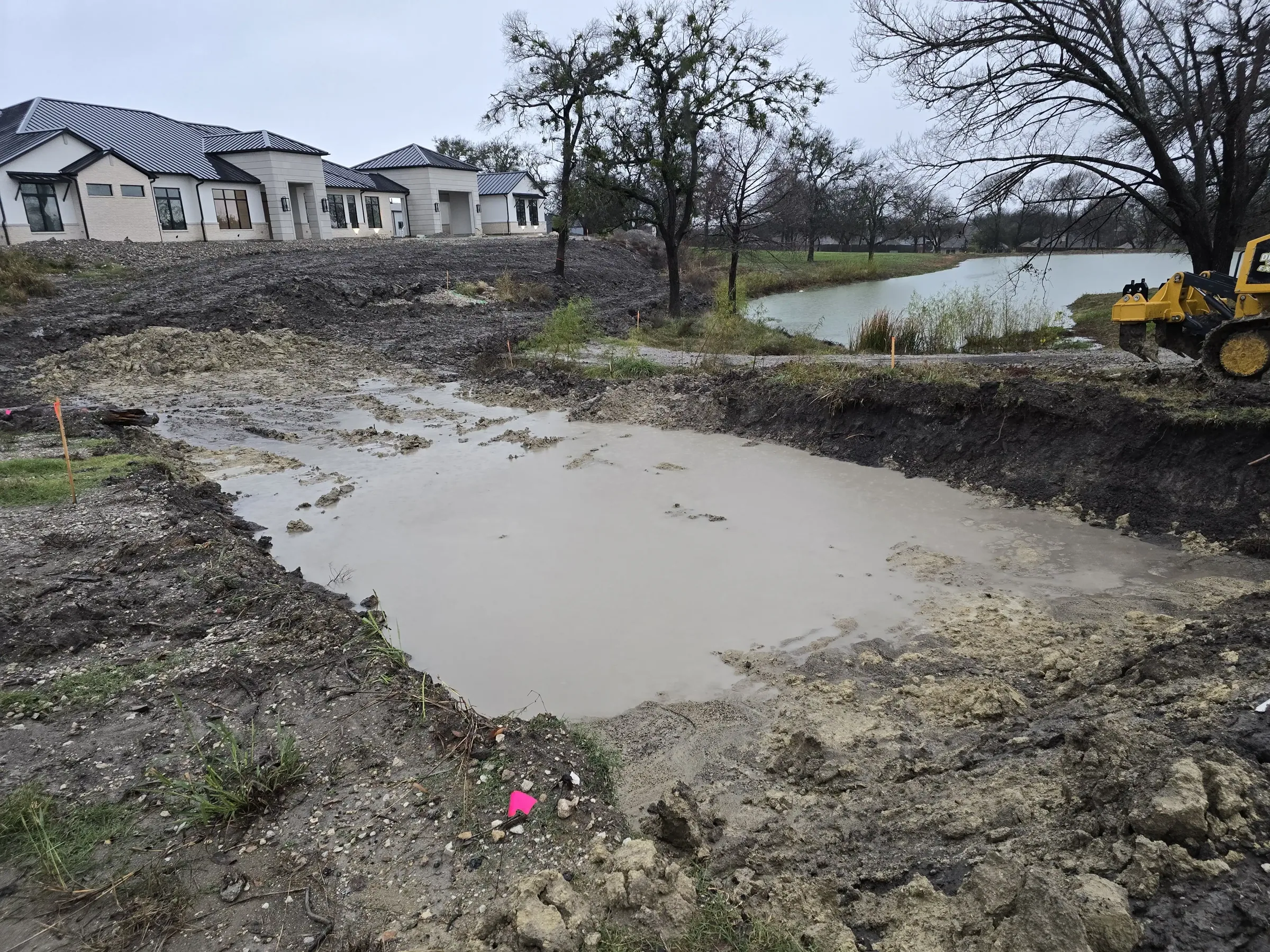
The foundation is the part of your house you’ll never look at and never stop depending on. In this part of Texas the soil is heavy clay that swells when it rains and shrinks when it doesn’t, which means the slab is designed for movement rather than pretending movement won’t happen. That means real engineering, correct moisture conditioning before the pour, post-tension cable laid where the drawings say and not where it’s convenient, and drainage that carries water away from the perimeter for the life of the house. Skipping any of it saves money in month three and costs a great deal in year eight.
Most of what people think of as builder quality is really trade quality. The framer who keeps walls plumb, the plumber who thinks about access before he thinks about speed, the finish carpenter who cares what a return looks like from four feet away. I don’t rebid those relationships every job to shave a percentage point. The trades on my sites have been with me for years, they know the standard I’m going to hold them to, and they know I will pay them fairly to meet it. That isn’t sentiment. It’s the only reliable way I know to make good work repeatable.
Permitting here is its own small project. Plan review, the engineered foundation letter, the drainage plan, and on an acreage lot the septic permit, which has its own soil testing and its own calendar. I start those early because none of them move faster for being asked twice, and a set of plans sitting in review is a set of plans not being built.
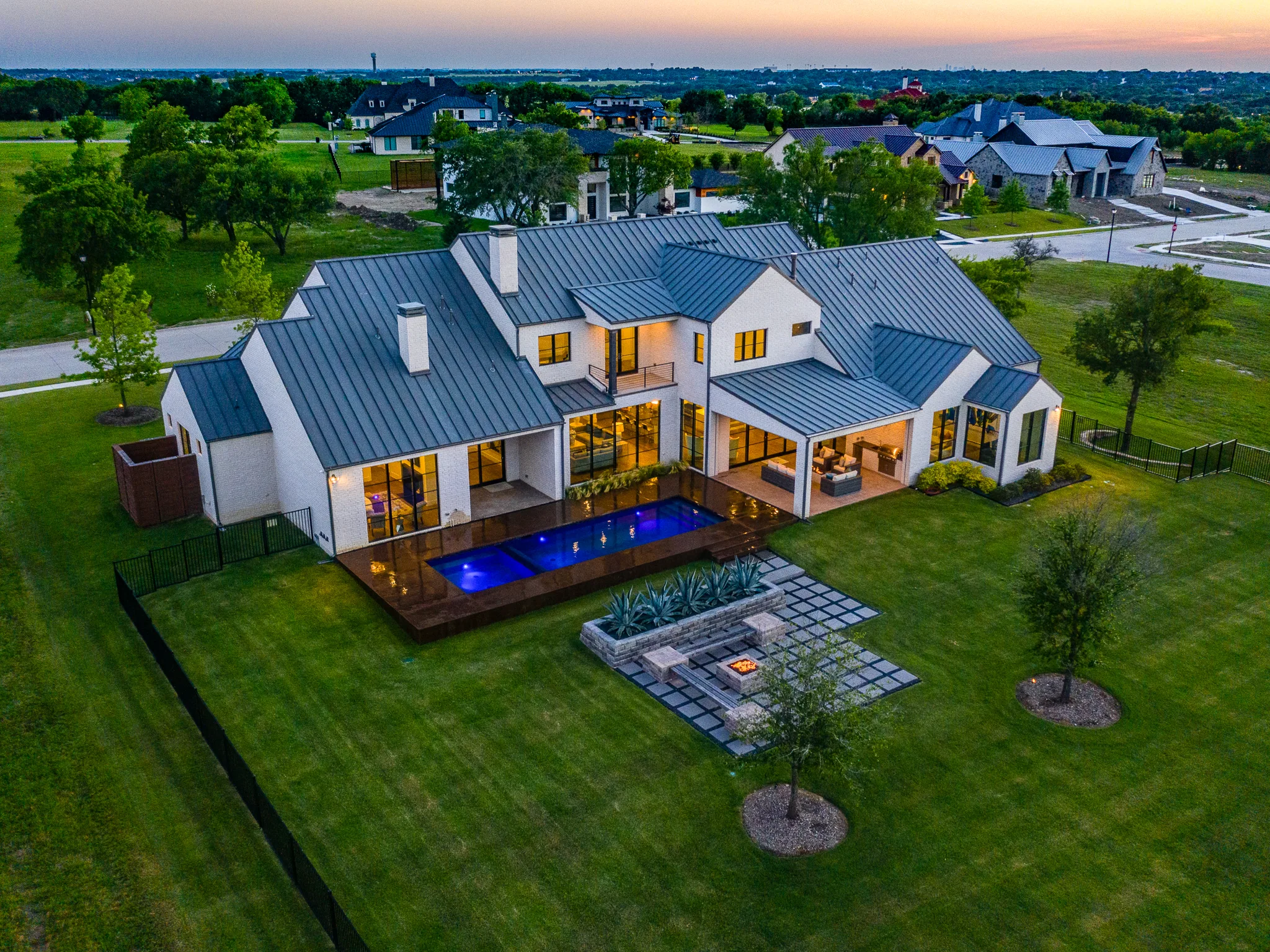
Work from around here


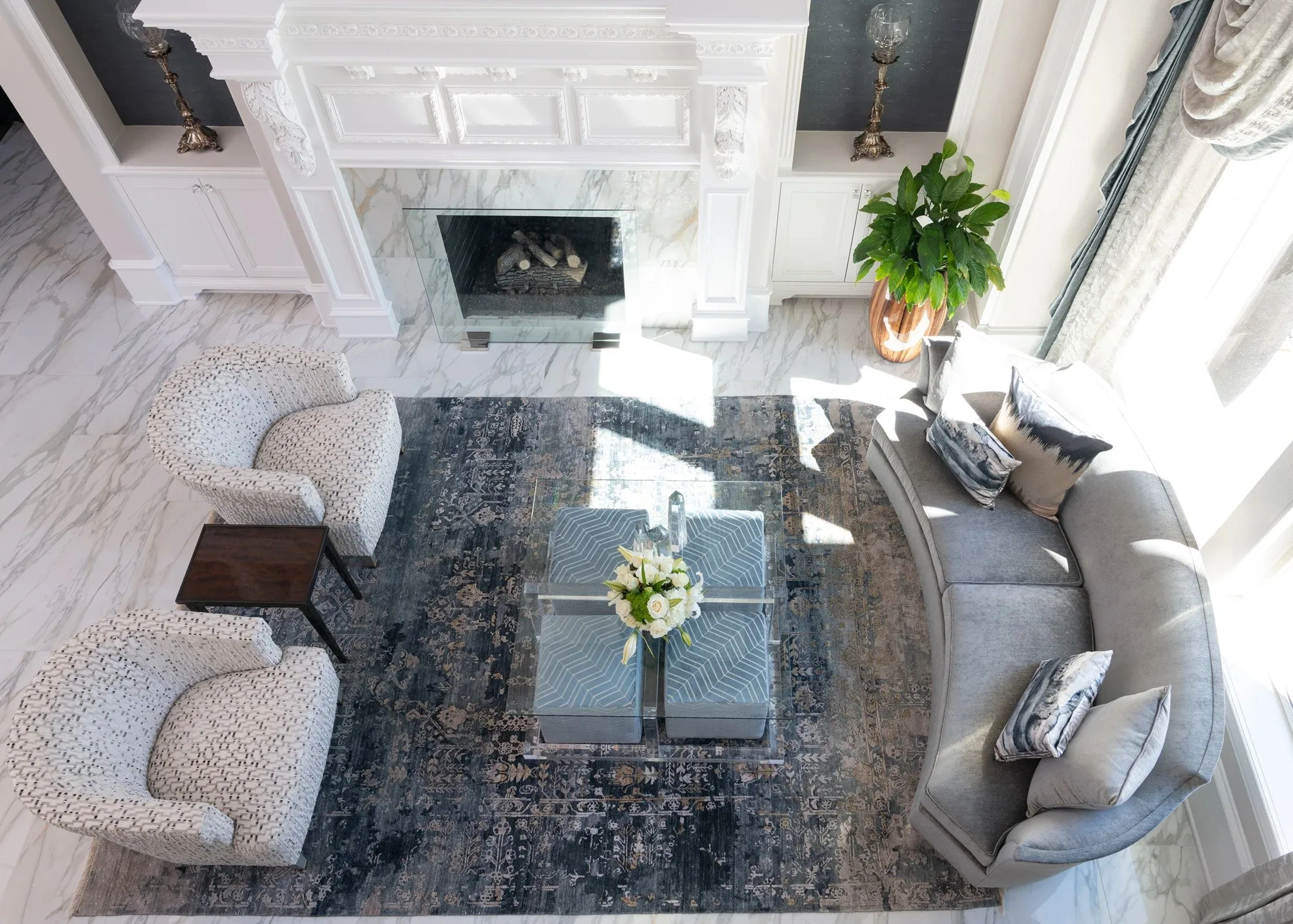
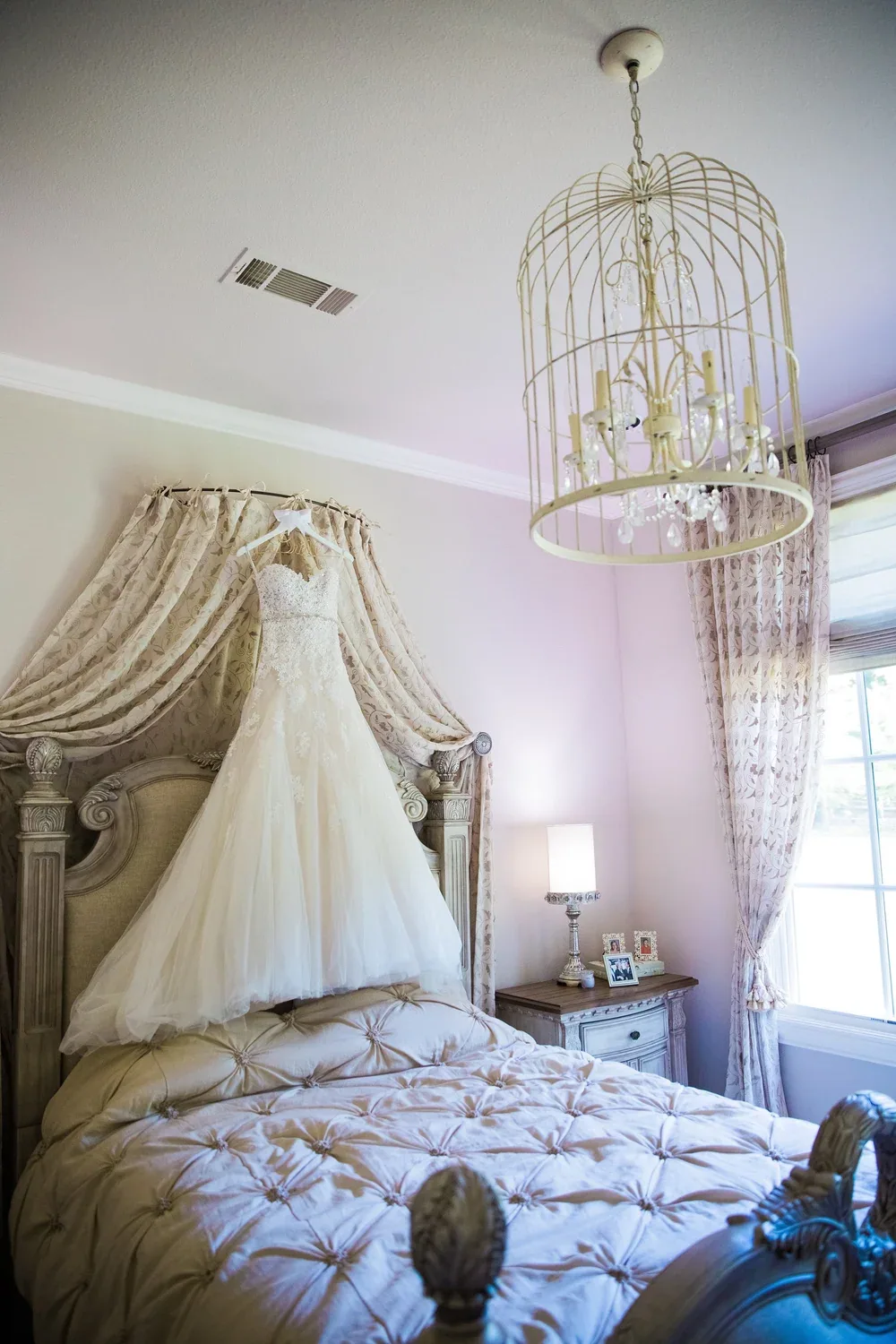

Each of these homes has its own gallery in the portfolio.
Forney and the rest of Kaufman County
1The lot
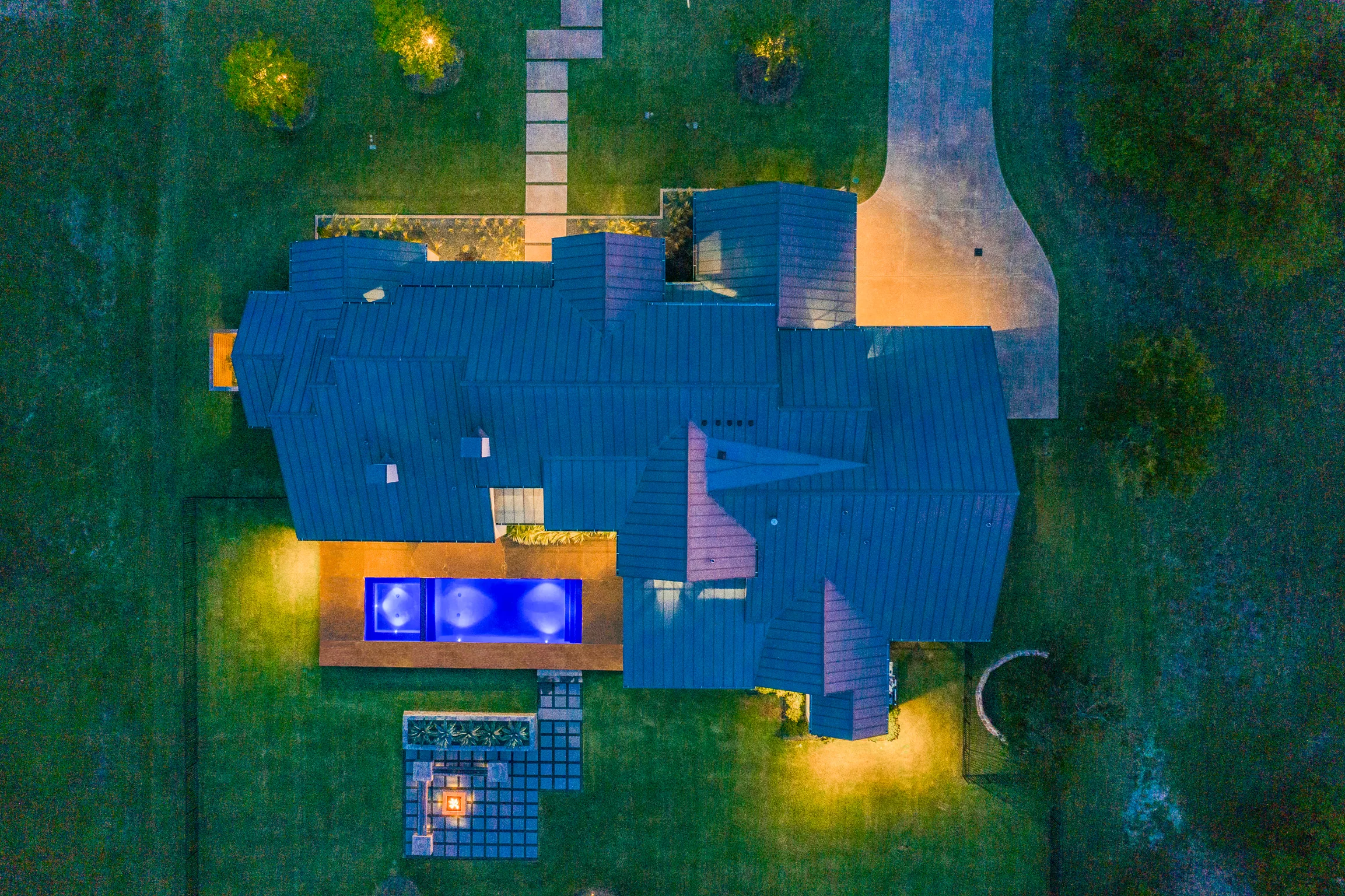
First visit is boots on the dirt. I want to see where water goes in a hard rain, which trees are worth keeping and how a truck gets to the back of the property.

2The plan
Design happens against the real site, not a generic rectangle. You see the envelope, the constraints and the honest cost of the choices that are hard to reverse.
3The numbers
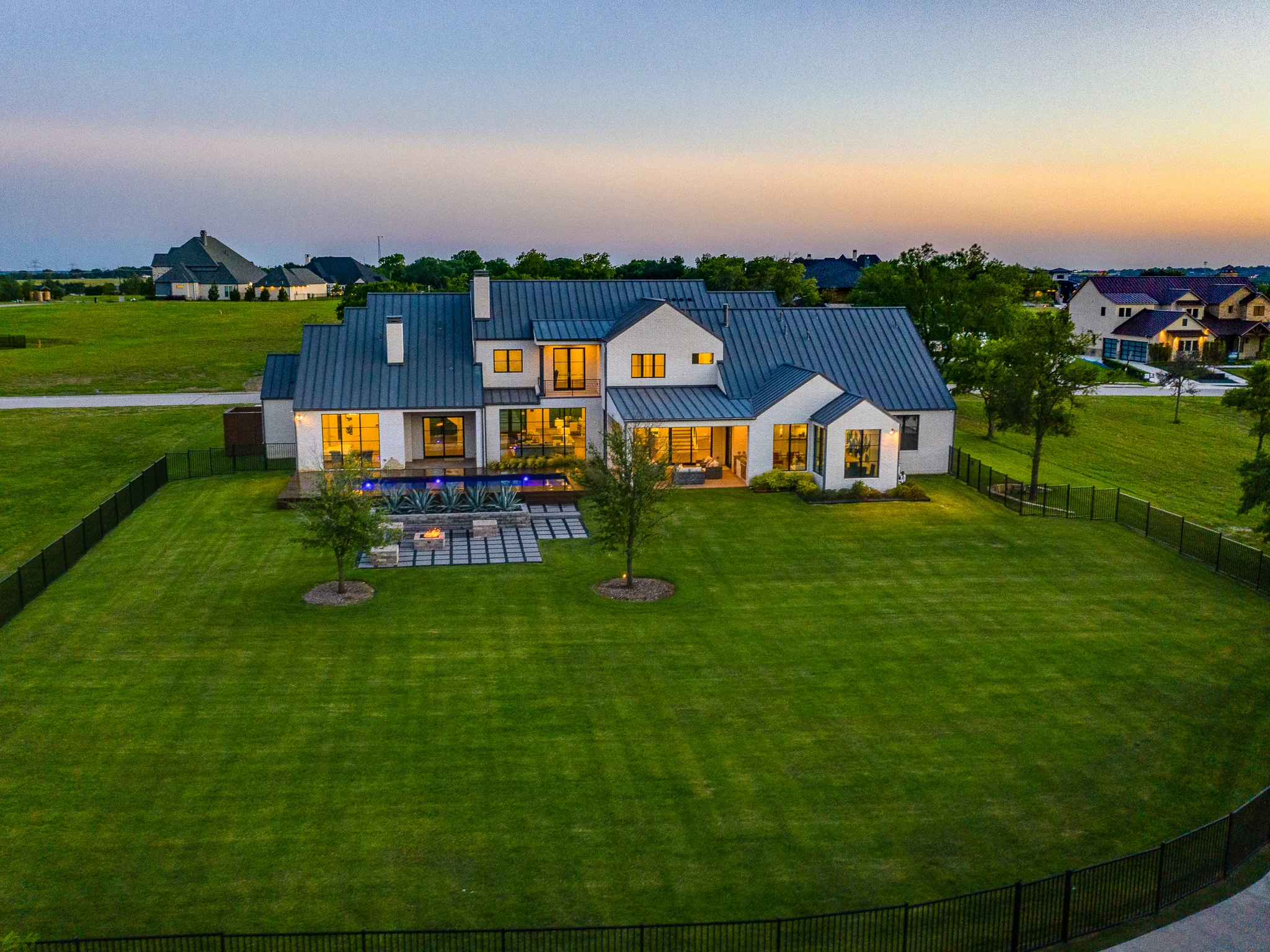
A real budget separates what the dirt costs from what the house costs. Most surprises in this business are site surprises, so that line gets honest numbers first.

4The dirt
Clearing, cut and fill, drainage structures and the slab. Nothing here shows up in a photograph and all of it determines how the house ages.
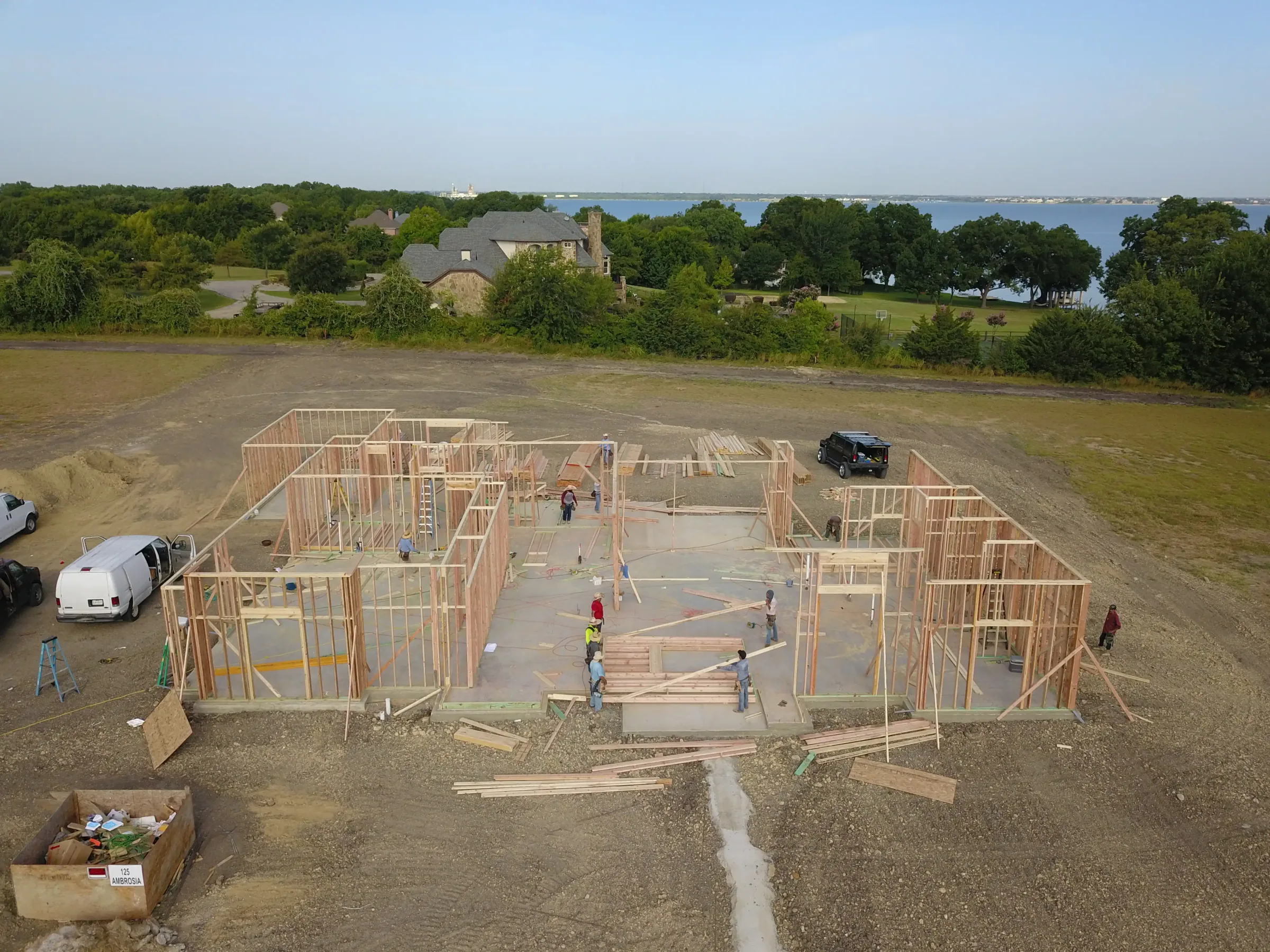
5The frame
The skeleton goes up and suddenly the plan is a building. It's also the last cheap moment to move a window or raise a ceiling.

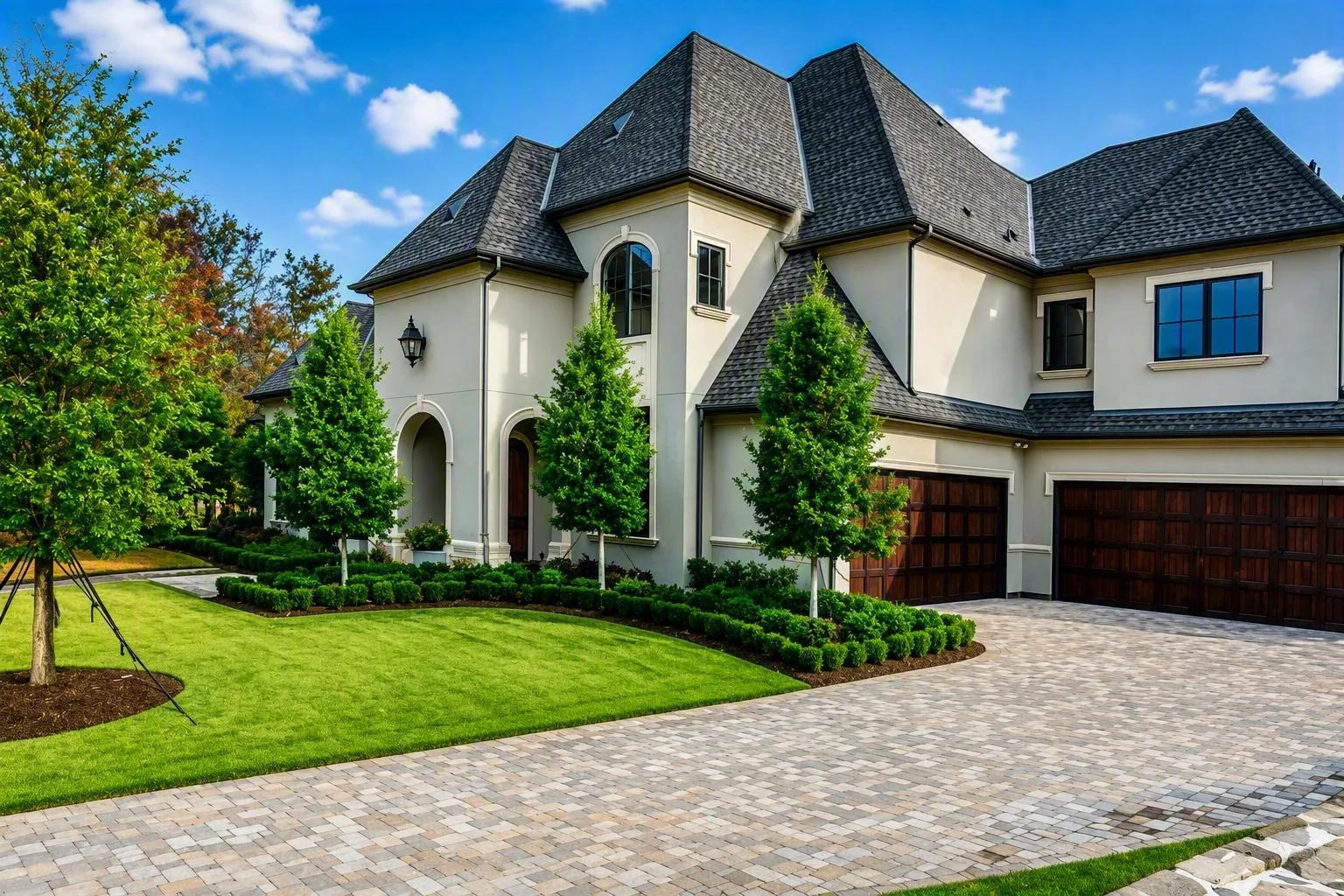
6The finish
Everything you'll actually put your hands on. It moves slowly on purpose, because rushed trim work shows for as long as the house stands.
7The keys
Walk-through, punch list, and a builder who still answers the phone afterward. One family has now brought me back for a fourth project. That only happens if the last one went right.
Owners are on my sites regularly. The framing window is the one I push people to attend, because seeing the volume changes decisions.
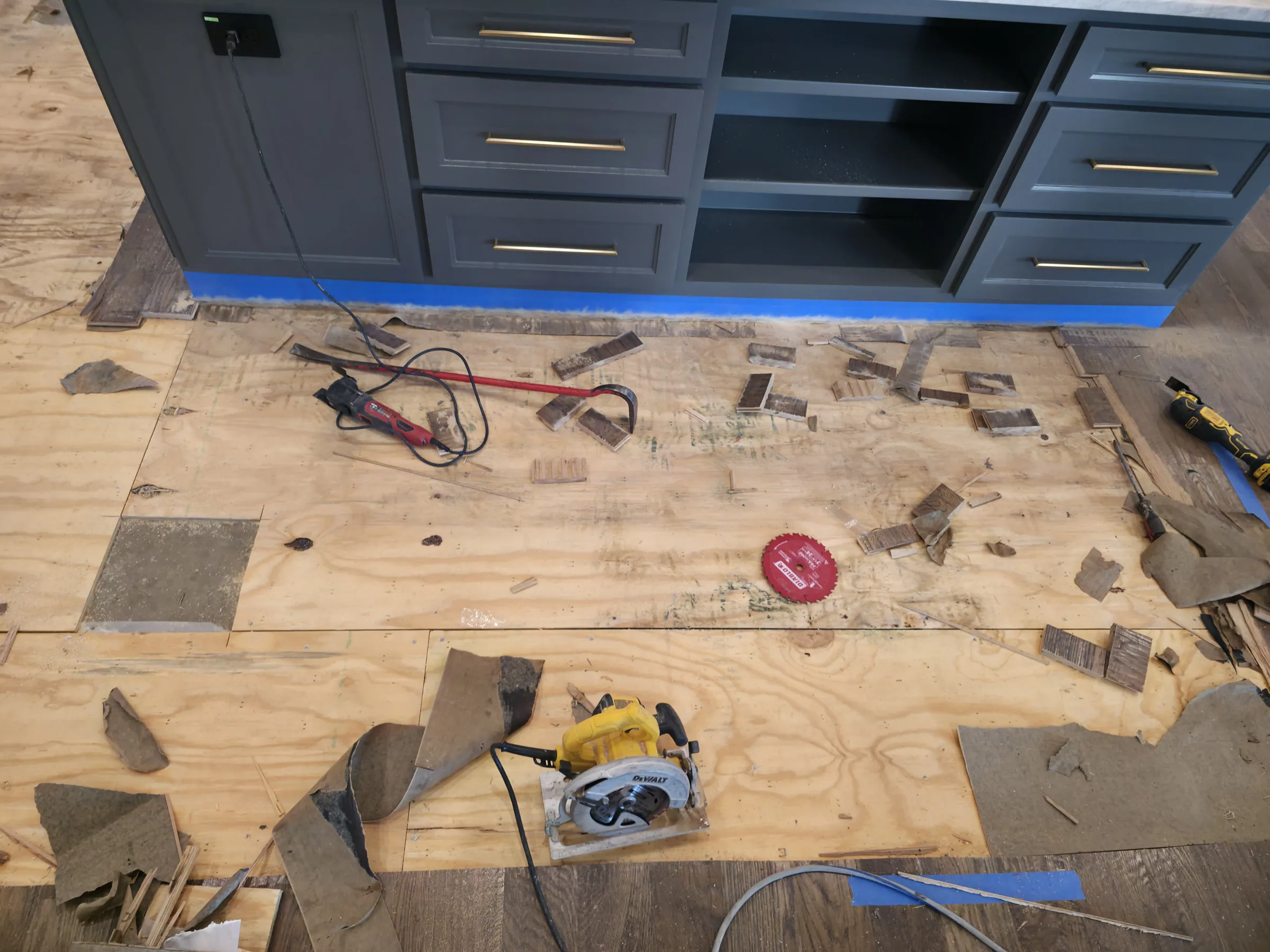
What the site tells you
Dirt, drainage and structure from real jobs. The unglamorous phase that decides the house.

Questions I get asked
Do you build in Forney?
Yes. Forney sits in Kaufman County, and it's inside the area I can get to often enough to actually be on the job.
What is different about building in Forney?
Expanding acreage east of Dallas with black-clay soil that dictates the foundation. That shapes the foundation and the footprint before anything else.
Do I need a lot first?
You don't. Bring me the ones you're considering and I will tell you what each would cost you in dirt before you commit.
How long will it take?
It depends on the house and the site. Tell me about yours and I will give you a real range rather than a brochure number.
Do you handle the permits?
That’s mine to handle, permits and review both.
What happens if something goes wrong?
I tell you before you find it, along with what I intend to do about it and what it changes.
Thinking about a build in Forney?
If you're early on a Forney build, that's the best time to talk.